 THE MARQUEE
Danny Glover has always been the man you wanted in your corner—the soulful, grounded anchor in a Hollywood built on smoke and mirrors. Whether he was playing the world-weary Roger Murtaugh alongside Mel Gibson or the hauntingly complex Mister in The Color Purple, Glover’s presence possessed a gravity that felt permanent, an immovable force in an industry of fleeting trends. But this week, the 79-year-old screen icon invited the world into a much more fragile, intimate space, revealing a battle he has been waging away from the spotlights and red carpets for years. In a gut-wrenching yet hopeful interview on NBC’s Today show and a candid feature with People magazine, Glover confirmed that he is living with Alzheimer’s disease.
Sitting across from NBC’s Lester Holt, Glover didn't hide behind the standard Hollywood polish. The diagnosis arrived like a slow-creeping shadow sometime around 2022 or 2023, a period where the actor began to notice the sharp, rhythmic cadence of his speech and the fluid movement that defined his legendary career were beginning to fray at the edges. While the news sent shockwaves through a fanbase that has championed him for over forty years, Glover’s message was one of pure defiance rather than defeat. He made it clear that while the neurodegenerative disease has laid claim to parts of his memory and motor skills, it hasn't touched his spirit or his deep-seated desire to connect with the public he’s served since his breakout in the 1980s.
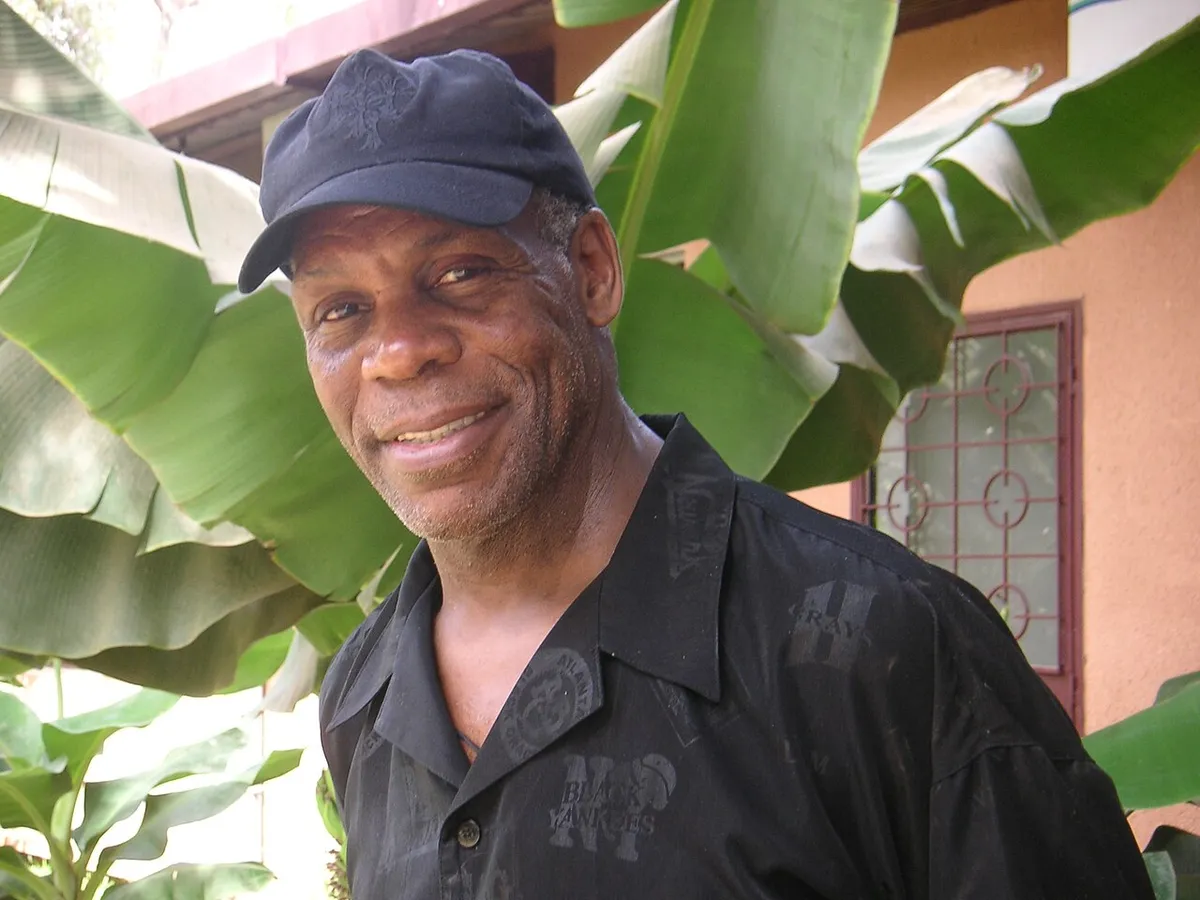
The Courage of a Quiet Revelation
Stepping into the light wasn’t a decision made in haste, but Glover felt a responsibility that transcended his own privacy. During his conversation on Today, he spoke with a deliberate, thoughtful pace, acknowledging that the disease has made simple tasks feel like a mountain to climb. "I don’t feel like it’s the end of my life," Glover told People, emphasizing that he views this chapter as a transition rather than a conclusion. His goal is straightforward but monumental: to use his massive platform to destigmatize a condition that millions of families face in the cold dark of silence. By putting one of the most famous faces in the world to the diagnosis, he is effectively telling the world that there is no shame in the struggle.
The reaction was instantaneous. Fans on social media flooded X and Instagram with a wave of support that felt less like a funeral and more like a thunderous standing ovation. It’s a sentiment that resonates deeply with those who know Glover not just as a movie star, but as a tireless advocate for civil rights and labor unions. This public reveal is, in many ways, his latest and perhaps most personal act of activism.
A Legacy Built on Resilience and Rhythm
To understand why this news hit the industry so hard, you have to look at the sheer weight of Glover’s filmography. From his early days in San Francisco’s Black Actors' Workshop to his iconic run in the Lethal Weapon franchise, Glover has always been the heartbeat of every project he touches. Even in recent years, he hasn't slowed down, appearing in Boots Riley’s surrealist hit Sorry to Bother You and the blockbuster Jumanji: The Next Level. His colleagues often speak of his incredible memory for dialogue and his ability to command a set with nothing more than a look, making the news of his cognitive challenges even more poignant for the Hollywood community.
Industry insiders have already begun to rally around the star. Directors and co-stars who have worked with Glover over the last few years are speaking up about his professionalism and the grace with which he handled the early signs of his condition. While the disease has altered his speech and movement, those close to him say his trademark warmth and sharp wit remain fully intact. The San Francisco native has always been a fighter—he famously overcame epilepsy in his youth—and he is approaching Alzheimer’s with that same blue-collar grit. He isn't just a patient; he’s a man looking for a way to turn his journey into a roadmap for others navigating the same difficult terrain.
Looking Toward a Brighter, More Honest Future
The impact of Glover’s announcement is already vibrating through the medical and advocacy communities. Organizations like the Alzheimer’s Association have long sought high-profile figures to help bring the conversation into the mainstream, and Glover’s vulnerability provides a powerful catalyst for that change. By detailing his diagnosis from 2022 and 2023, he provides a realistic timeline of how the disease progresses, showing that life continues and remains meaningful long after the initial news is delivered. He spoke about the importance of family support and the role that his loved ones play in keeping him anchored—a reminder of the human network required to battle such a relentless foe.
As the interview on Today wound down, there was a sense that Glover was lighter for having shared his secret. He didn’t use the phrase "I’m too old for this," his famous catchphrase from Lethal Weapon; instead, he seemed more present than ever, focused entirely on the here and now. He’s not retiring from the world; he’s simply changing the way he interacts with it. For a man who has spent his life telling stories, this latest chapter might be his most influential yet, proving that even when the memory fades, the impact of a life lived with purpose never truly disappears. The veteran actor continues to inspire a new generation of performers to be honest about their own vulnerabilities, ensuring that his legacy won't just be about the box office records, but about the lives he touched by simply being human.

