 THE MARQUEE
Duncan Jones is finally back where he belongs: deep in the trenches of a neon-bleeding, chemically scorched future. Six years after he first teased the project, the visionary director behind Moon and Source Code has finally pulled back the curtain on Rogue Trooper, and it is a grit-caked, midnight-blue fever dream that proves British sci-fi still carries a sharper, meaner shiv than anything coming out of the American mainstream.
The first-look teaser, which crashed onto the scene via ComicBookMovie.com and JoBlo.com, doesn't just introduce a character; it plunges the audience headfirst into the toxic hellscape of Nu-Earth. This is a world where a perpetual, soul-crushing war between the Norts and the Southers has scrubbed the atmosphere into a lethal chemical soup. Emerging from the smog is Rogue: a Genetic Infantryman (G.I.) with skin the color of a fresh bruise and a tactical disposition that leans heavily toward scorched-earth retribution. He was engineered for this nightmare—designed to breathe the poison air without a suit—but as the footage clarifies, his mission is less about military duty and more about the ghosts of a betrayed brotherhood lost in the infamous Quartz Zone Massacre.
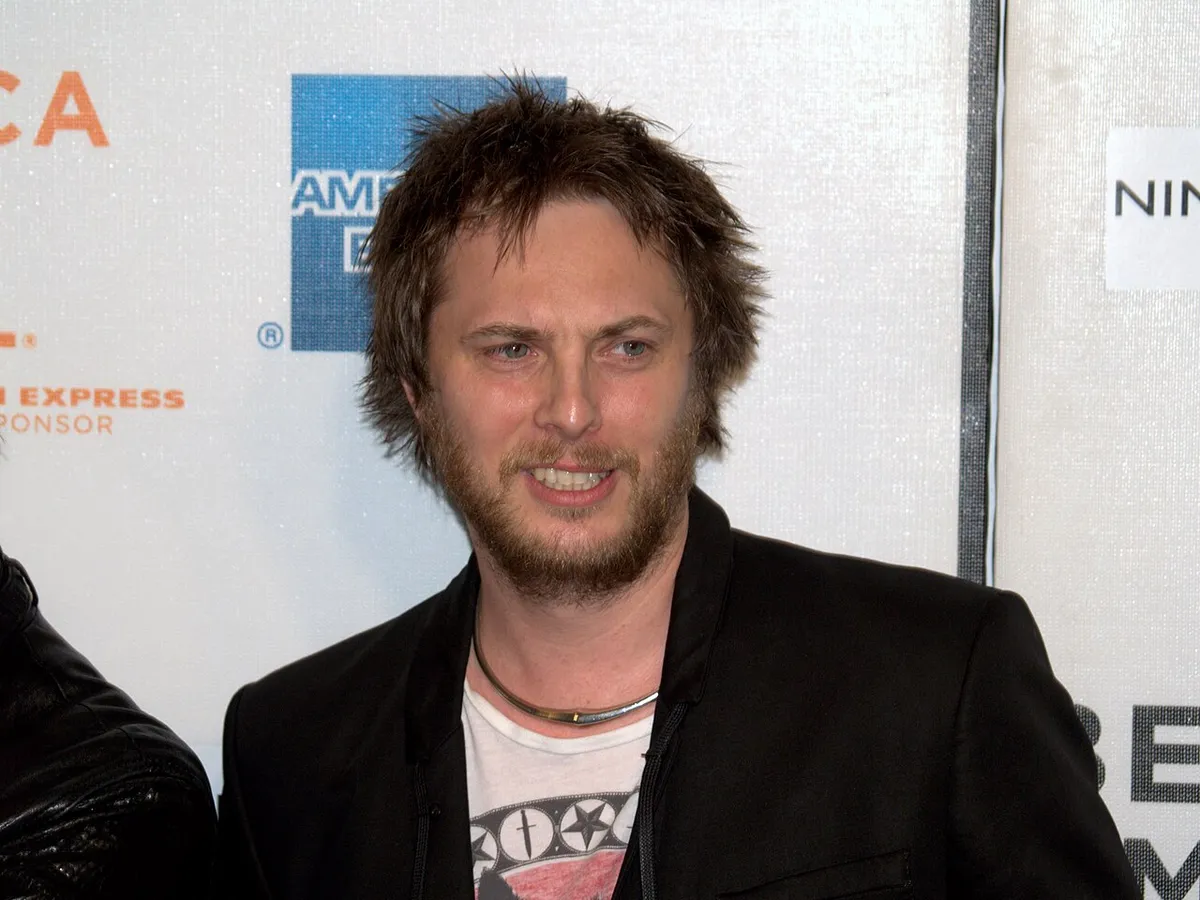
Jones isn’t merely delivering a cartoon; he is crafting a high-octane war film that happens to utilize the medium of animation to achieve the impossible. The aesthetic is tactile, oily, and lived-in, capturing that specific brand of dystopian grime that the 2000 AD comic house has championed since the late 1970s. For a filmmaker who has built a career exploring the isolation of clones and the fractured nature of identity, the story of a lone soldier carrying the uploaded consciousness of his dead squadmates in his tactical gear feels like a perfect, predestined thematic homecoming.
The Quartz Zone Massacre and the Punk-Rock Legacy of Nu-Earth
To grasp why the internet is currently vibrating over this teaser, you have to respect the pedigree of the source material. Co-created by writer Gerry Finley-Day and the legendary artist Dave Gibbons—the man who would later illustrate the sacrosanct Watchmen—Rogue Trooper hit the pages of 2000 AD in 1981 like a brick through a window. It offered a cynical, Cold War-era reflection of perpetual stalemate, introducing the Genetic Infantrymen as the Southers' ultimate bio-engineered gamble: soldiers who didn't need the cumbersome life-support suits that turned regular humans into slow-moving targets.
But the lore is built on a foundation of betrayal. A high-ranking traitor sold the G.I.s out, leading to a slaughter where Rogue became the last man standing. The film tracks his hunt for the Traitor General, effectively functioning as a revenge Western set within the claustrophobic trenches of a sci-fi world war. Jones has leaned into this uncompromising vibe with surgical precision. The teaser highlights Rogue moving through the rubble with a calculated, terrifying lethality that looks as though it were ripped directly from the ink-stained panels of the original magazine.
The hook that truly sets Rogue Trooper apart—and the element this teaser flaunts with such style—is Rogue’s sentient equipment. In this universe, G.I.s are fitted with bio-chips that record their personalities and memories at the moment of death. Our protagonist has salvaged the chips of three fallen comrades—Gunnar, Bagman, and Helm—and slotted them into his rifle, his pack, and his helmet. They don’t just provide data; they argue, they offer sarcasm, and they remind him of what he’s lost. This bizarre, claustrophobic dynamic adds a psychological weight and a touch of dark humor that elevates the project far above standard action fare.
A Bio-Chipped Brotherhood: The Heavy Hitters Behind the Mic
The ensemble Jones has recruited for this mission is a formidable collection of British talent. Aneurin Barnard, who brought such haunting vulnerability to Dunkirk and 1899, takes on the mantle of Rogue. Barnard’s voice carries the necessary gravel of a man who is literally haunted by his friends. He is joined by an absolute powerhouse in Hayley Atwell, making the jump from the polished heroics of the MCU to the jagged edges of Nu-Earth. Atwell has a storied history of playing characters with an unbreakable backbone, and her involvement signals that this isn't just a niche genre play—it’s a prestige production.
Then there is the Sean Bean of it all. Digital sleuths on X (formerly Twitter) and Reddit are already taking bets on whether Bean’s character will survive the first act, given his legendary status as cinema’s favorite sacrificial lamb, but his inclusion provides an instant shot of gravitas. The supporting cast is a wild, eclectic mix: Jack Lowden, Daryl McCormack, and the incomparable Matt Berry. The decision to cast Berry—the master of the booming, eccentric delivery—is a stroke of genius. Whether he’s voicing a sarcastic bio-chip or a high-ranking officer, his presence ensures that the film’s darker moments will be punctuated with the kind of biting wit that 2000 AD fans crave.
This is a labor of love that extends to the boardroom. Rogue Trooper is being steered by Rebellion, the company that owns the 2000 AD library and the Sniper Elite gaming franchise, alongside Jones' own Liberty Films. Jason and Chris Kingsley, the brothers leading Rebellion, have spent years protecting this IP, waiting for the right moment and the right tech to bring it to life. Following the cult success of 2012's Dredd—a film that left audiences starving for more stories from the 2000 AD stable—this feels like the spiritual successor the community has been demanding for over a decade.
Unreal Engine 5 and the Future of Adult Animation
Visually, Rogue Trooper is a different beast entirely from the sugary, family-friendly sheen of a Pixar or DreamWorks production. The creative team leaned on the raw power of Unreal Engine 5—the same tech driving the most photorealistic modern video games—to build a world that feels heavy and atmospheric. This wasn't just a cost-saving measure; it was an artistic choice that allowed for cinematic lighting and dense, grimy textures that mimic a living graphic novel. The smoke is thick and choking, the lasers sear the screen, and Rogue’s blue skin feels integrated into the mud and metal of the world rather than floating on top of it.
Jones has never been shy about his fanboy roots. In statements shared by Variety and The Hollywood Reporter, he spoke of his childhood connection to the character, noting that bringing Rogue to life with current technology is a long-held dream. That passion is palpable in every frame of the teaser. There is a sense of scale and stakes here that feels earned through sweat and ink.
While the film is currently coming in 2025, the hype cycle is already in overdrive. Rebellion and Liberty Films are positioning this as a major theatrical event, aiming for the same sophisticated adult audience that helped Spider-Man: Across the Spider-Verse and Arcane redefine what animation can achieve. By sidestepping the massive budget constraints that often stifle live-action sci-fi, Jones has been given the keys to the kingdom, allowing him to put the unbridled, weird, and violent chaos of Nu-Earth on screen without compromise.
As the teaser closes on the iconic silhouette of Rogue stalking through a battlefield of chemical fog—his eyes glowing a haunting, predatory white—it is clear that Duncan Jones has rediscovered his groove. For those who felt his foray into big-budget studio fantasy with Warcraft missed the mark of his earlier brilliance, Rogue Trooper is the definitive course correction. It’s strange, it’s brutal, and it’s undeniably his. The blue-skinned soldier is coming, and he’s bringing forty years of history with him.


