 THE MARQUEE
The legendary gated-reverb hasn’t just echoed through stadium rafters for decades—it just shook the foundation of the Rock and Roll Hall of Fame. During a high-stakes broadcast of American Idol on April 13, 2026, Ryan Seacrest alongside 2022 inductee and 'American Idol' judge Lionel Richie delivered the news fans have been craving for a quarter-century: Phil Collins is finally going back into the Hall, this time as a solo juggernaut. It was a moment that felt less like a surprise and more like a long-overdue coronation for a man who didn't just top the charts; he practically owned the lease on them for the better part of twenty years.
At 75, Collins is basking in a career-defining glow. This marks his second induction, a rare feat that places him in a pantheon reserved for the gods of the genre. He first walked the stage in 2010 with the prog-rock titans of Genesis alongside Tony Banks, Mike Rutherford, Steve Hackett, and Peter Gabriel. But while that first nod was a salute to the complex, sprawling odyssey of the seventies, this 2026 induction celebrates the man who dominated the MTV generation with a string of hits so ubiquitous they became the very wallpaper of the 20th century. From the haunting, atmospheric dread of “In the Air Tonight” to the soulful, chest-beating yearning of “Against All Odds (Take a Look at Me Now),” Collins’ solo run wasn’t just a successful pivot—it was a total cultural takeover.
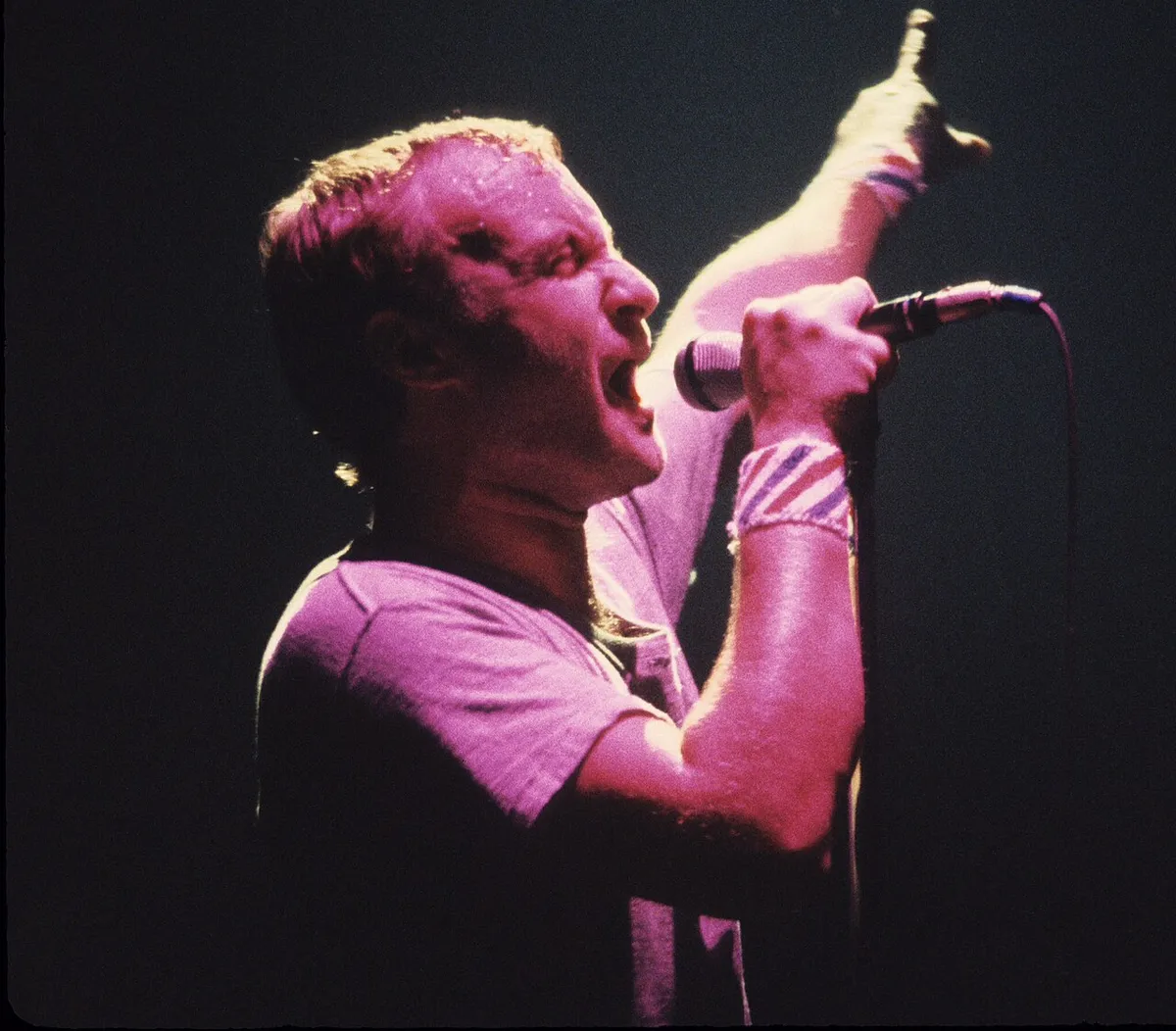
The Solo Empire Built on Heartbreak and High-Speed Concordes
There is a specific kind of alchemy reserved for artists who can reinvent their entire DNA in the public eye. In the late 1970s, the industry saw Collins as the virtuosic drummer who had gamely stepped up to the microphone to save Genesis after Gabriel’s exit. Then came 1981’s Face Value, and the trajectory of music history shifted on its axis. When that legendary drum fill kicked in halfway through “In the Air Tonight,” it didn’t just sell millions of copies; it birthed a sonic blueprint that producers are still desperately trying to replicate in 2026. It was the drum thwack heard ’round the world.
By securing this second induction, Collins joins a remarkably thin slice of rock royalty. He is now the fourth drummer in history to be inducted twice, putting him in the same elite air as icons like Ringo Starr and Dave Grohl. For a man who has often self-deprecatingly described himself as “just a drummer,” the achievement is a profound validation of his multifaceted artistry. The Rock Hall has historically been a tough gate to crash for artists who leaned heavily into the pop-rock mainstream, but the sheer gravity of Collins’ catalog—including eight competitive Grammy Awards and an Academy Award—made his solo induction an inevitability.
Social media erupted into a digital standing ovation almost immediately after the Idol reveal. On X, formerly Twitter, longtime devotees and fellow musicians shared their favorite “Phil moments” with a fervor usually reserved for religious awakenings. One viral post put it bluntly: “You can’t talk about the 80s, the 90s, or the very concept of a power ballad without Phil Collins. The man didn’t just make hits; he manufactured the soundtrack to our lives.” Even younger fans, who discovered his genius through viral TikTok drum-along challenges or the evergreen popularity of the Tarzan soundtrack, joined the chorus, proving that his reach extends far beyond the demographic that bought No Jacket Required on vinyl in 1985.
The narrative of Collins’ solo career is one of high-stakes transformation and an almost superhuman work ethic. While Genesis remained a global force throughout the 80s, his solo output allowed him to explore a more vulnerable, R&B-inflected vulnerability. Albums like Hello, I Must Be Going! and the diamond-certified No Jacket Required turned him into a global monolith. This was a period where Phil seemed to be everywhere at once—most famously during the 1985 Live Aid concert where he performed at Wembley Stadium in London, hopped on a Concorde jet, and landed in Philadelphia to perform at JFK Stadium on the same afternoon. It was the ultimate rock star flex, fueled by a relentless drive that defines his legacy.
A Passing of the Torch in the City of Angels
The Rock Hall committee, which has recently leaned into honoring multi-talented performers who bridge the gap between technical skill and pop sensibility, clearly recognized that Collins’ solo work stands as its own mountain. He wasn’t just a singer; he was a producer, a world-class percussionist, and a songwriter who could distill the visceral pain of a divorce into a chart-topping anthem that resonated with everyone from suburban parents to the hip-hop producers who would later sample his beats. “Phil Collins is one of the few artists who could make the drum kit as melodic as the lead vocal,” says a tribute statement from the Lakes Media Network. “His induction as a solo artist honors the technical brilliance and the emotional honesty that he brought to the forefront of the music industry for decades.”
The induction ceremony is set for November 14, 2026, and for the first time in years, the event will descend upon Los Angeles. The move to the West Coast adds a layer of Hollywood prestige to what is already expected to be a tear-jerker of an evening. Given Collins’ well-documented health struggles—including nerve damage that has limited his ability to sit behind the kit—the industry is buzzing with speculation about what his performance will look like. His son, Nic Collins, has spent the last several years expertly handling the drum throne for Genesis and his father’s solo tours, and many expect a poignant passing-of-the-torch moment that will leave no eye dry in the room.
The Los Angeles backdrop is a fitting stage for an artist whose work has been so deeply intertwined with the silver screen. From the gritty, neon-soaked use of his music in Miami Vice to his Oscar-winning work with Disney, Collins has always been a cinematic songwriter. The 2026 ceremony will likely see a star-studded lineup of presenters; names like Adele and Pharrell Williams have frequently cited Collins as a North Star for their own careers. As the Rock and Roll Hall of Fame continues to evolve, the inclusion of Phil Collins as a solo artist serves as a bridge between the era of classic rock gods and the era of the modern pop auteur. He proved that you could be a technical wizard and a radio darling simultaneously. While he previously stood on that stage in 2010 as part of a collective, this November will be about the singular voice and the unmistakable, heart-thumping beat of a man who truly did it his way.


