 THE MARQUEE
Forget the flower crowns and the $20 spicy pies—Saturday at Coachella belonged to a group of Brooklyn art-punks who decided to set fire to the pop canon. When Geese took the Gobi Tent on April 11, 2026, they didn't just play a set; they staged a rhythmic heist that left the Indio desert reeling.
The Brooklyn-based rock outfit has always operated on a frequency that vibrates somewhere between high-concept indie and pure, unadulterated chaos. But midway through a performance already shimmering with the jagged, nervous energy of their signature sound, the band pulled a pivot so sharp it gave the audience whiplash. They slammed headfirst into a garage-rock explosion of Justin Bieber’s 2010 breakout hit, “Baby,” and transitioned into the dystopian, avant-garde grooves of their fan-favorite track “2122.”
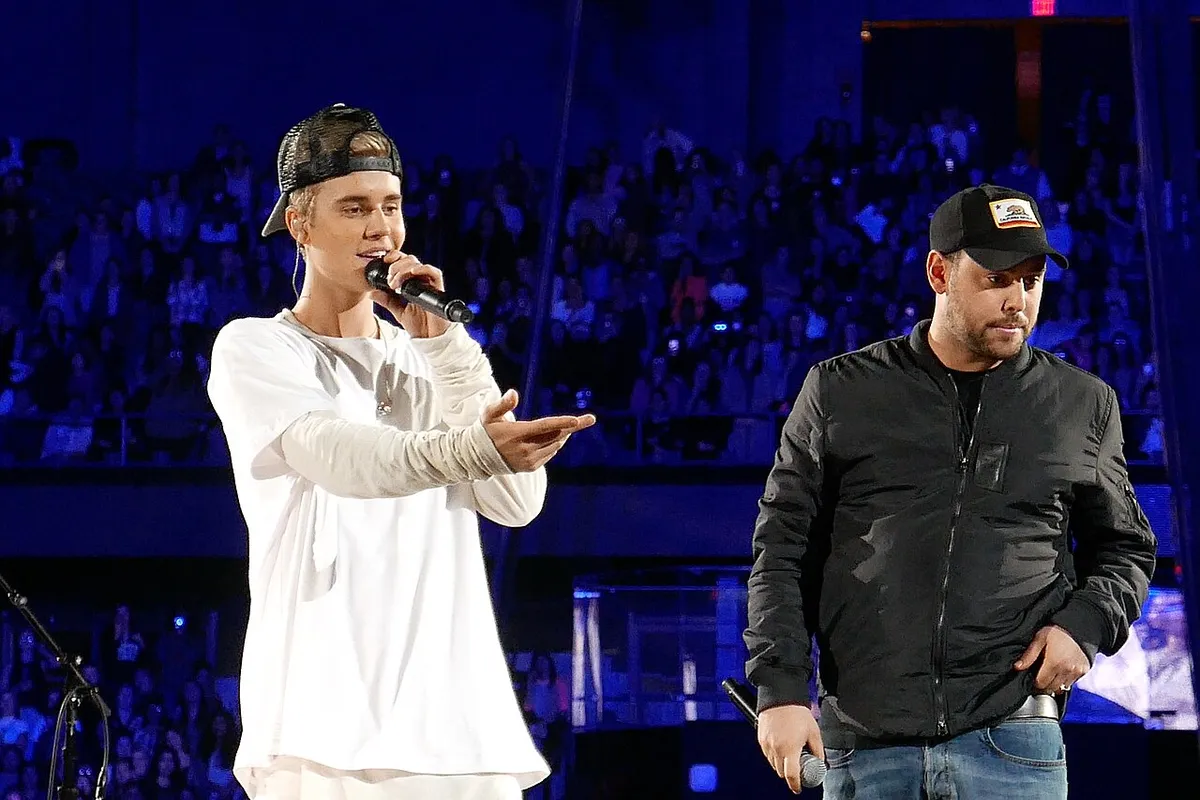
It was a transition so seamless it felt almost predatory. One moment, lead singer Cameron Winter was wailing over the band’s complex, prog-adjacent rhythms; the next, the unmistakable “Oh-whoa” melody of pop’s most famous earworm was being channeled through a wall of fuzz, grit, and structural collapse. The crowd—a volatile mix of die-hard indie purists and casual festival-goers killing time before the headliners—experienced a collective moment of stunned silence before leaning into the mayhem. Within minutes, the performance was hemorrhaging across TikTok and X, marking the first undeniable viral sensation of the 2026 festival season.
A Collision of Getting Killed and 2010s Teen Pop
Geese has spent the last few years carving out a reputation as the most inventive and unpredictable live act in the alternative scene. Following the critical success of their 2025 album Getting Killed, Winter, along with guitarist Emily Green—the founding member whose nickname “Goose” inspired the band’s name—bassist Dominic DiGesu, and drummer Max Bassin, have leaned into a style that feels both archaic and futuristic. On Saturday, that duality was on full, loud display during a set that primarily consisted of tracks from Getting Killed. Their rendition of “Baby” wasn’t a joke or a snide parody; it was a full-throated reimagining that treated the teen-pop classic like a lost track from a 1970s punk basement tape.
Winter’s vocal delivery stripped away the polished, bubblegum sheen of the original, replacing Bieber’s youthful yearning with a growling, theatrical intensity that felt dangerous. Emily Green’s guitar work transformed the bubbly synth hook into a jagged, serrated riff that felt more at home in a New York dive bar than a stadium. According to witnesses at the Gobi Tent, the energy shifted from curious observation to a full-blown mosh pit the moment the chorus kicked in. The performance was widely regarded as a surreal highlight of the weekend, with festival-goers noting that the band made a song that had been a pop staple for years feel like a fresh, dangerous piece of alternative music.
The timing was particularly audacious. With Justin Bieber himself slated to headline the festival later that night, the Geese rendition felt like a respectful—if slightly mischievous—shot across the bow. While many artists use their Coachella sets to debut new material or bring out high-profile guests in a desperation bid for relevance, Geese chose to weaponize nostalgia. They took the most ubiquitous pop song of the last two decades and bent it to their collective will. It was a move that echoed the spirit of past Coachella greats who famously toyed with the audience's expectations, much like how Tame Impala or Radiohead have historically used the desert stage to experiment with the cultural zeitgeist and play with their food.
Winning the Crowd Before the Headliner Hits
By the time the band finished the mashup and transitioned back into the final, crashing chords of “2122,” the buzz was inescapable. Critics quickly noted that the band had effectively dominated the day, highlighting how the group’s technical proficiency allowed them to pull off such a jarring stylistic jump without it feeling like a gimmick. Reviewers praised Geese for their ability to maintain their identity while playing in someone else's sandbox, proving that the rhythmic similarities between Geese's frantic compositions and the structural simplicity of a pop juggernaut are closer than any of us realized.
Social media reactions were immediate and overwhelmingly positive. Viral posts captured snippets of the performance, with fans expressing excitement over the group's unexpected cover. Videos of the crowd singing along circulated widely, showing the tent filled with energy as the band reinvented the pop classic. This kind of organic engagement is the holy grail for festival organizers at AEG and Goldenvoice—a moment that creates a narrative beyond the scheduled programming.
The sheer technicality of the band shouldn't be overlooked amidst the viral hype. DiGesu’s bass lines provided a sturdy, driving foundation that kept the song from devolving into noise, while Bassin’s drumming gave the pop track a tribal, heavy-hitting weight. It reminded the audience that Geese started as a group of high school friends in Brooklyn who spent their afternoons practicing in basements; they possess a telepathic musical connection that allows them to improvise and pivot with a speed that many older, more established bands lack. They aren't just playing; they're communicating in a private language that the rest of us are just lucky enough to overhear.
In the grand, dusty history of the festival, these are the moments that define a band’s trajectory. In a landscape where streaming numbers often dictate success, the ability to create a “had to be there” experience remains the ultimate currency in live music. Geese didn’t just play a set; they started a conversation that will last long after the tents are packed away. Industry insiders have already begun speculating on how this might impact the band’s upcoming tour dates and festival bookings for the remainder of 2026.
The Los Angeles Times noted that while the festival has seen its share of high-concept covers, there was something uniquely gritty and honest about what Geese achieved. They managed to bridge the gap between the “cool kids” of the Brooklyn indie scene and the global pop audience without losing a single ounce of their edge. It was a masterclass in festival showmanship, proving that a little bit of irony and a lot of distortion can go a long way in capturing the imagination of the desert crowd.
As the sun dipped behind the San Jacinto Mountains and the neon lights of the Ferris wheel flickered to life, the echoes of Geese’s “Baby” lingered in the air. For a band that has always seemed to be running at a different speed than the rest of the industry, this viral moment felt less like a fluke and more like a coronation. Whether they intended it as a tribute to the evening’s headliner or a subversive piece of performance art, one thing is certain: Geese has officially moved from indie darlings to the main stage conversation. Now, the world is watching to see what other tricks they have up their sleeves as they continue to redefine what a rock band can be in the modern era.


