 THE MARQUEE
The shimmer of a $351 million global box office has officially worn off, replaced by the cold, clinical reality of a courtroom docket as the bitter feud between Blake Lively and Justin Baldoni enters its most incendiary chapter yet. What began as a series of frantic whispers during the It Ends With Us press tour—where fans played detective over separate screenings and missing red carpet photos—has metastasized into a full-scale legal siege shaking the foundations of Wayfarer Studios. With a trial date now officially carved into the calendar for May 18, 2026, the stakes have shifted from cinematic legacy to professional survival for Lively, who is fighting to scrub the soot off her reputation after a production that was, by all accounts, a powder keg from the first frame.
This legal bloodsport follows a pivotal April 2026 ruling where a judge tossed the majority of Lively’s sexual harassment allegations against Baldoni. While the director’s camp might have viewed that as a victory lap, the remaining claims are more than enough to burn the house down. Focusing on retaliation and breach of contract, the lawsuit has become a public autopsy of a creative partnership gone toxic. This is no longer a simple case of creative differences; it is a high-stakes autopsy of one of the most successful book-to-screen adaptations in history. As the discovery phase pulls back the curtain, the world is getting an unfiltered look at the vitriol that simmered behind Colleen Hoover’s beloved floral arrangements.
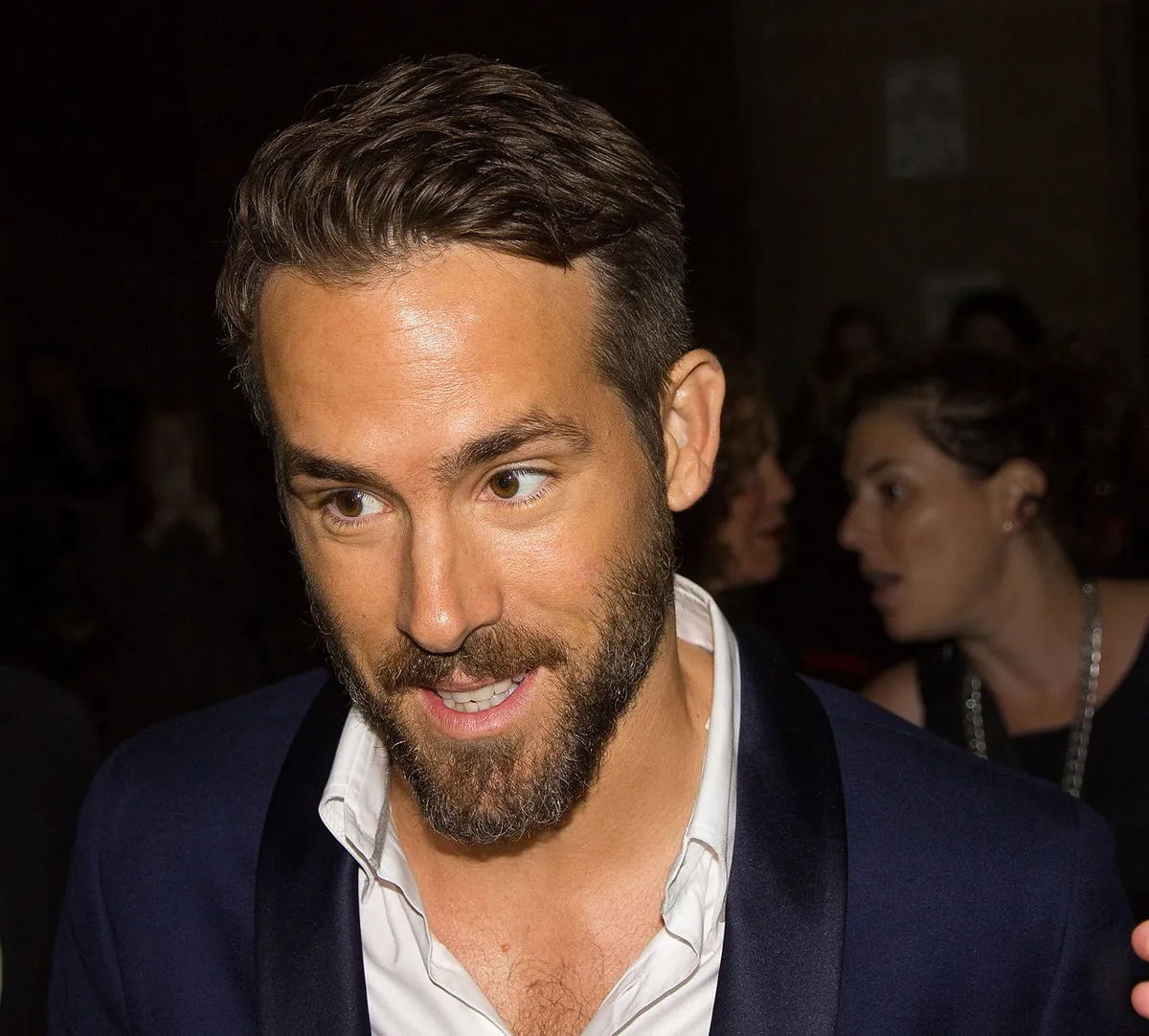
The Reynolds Receipts: Unsealed Documents and a Husband’s Scorched-Earth Defense
If anyone wondered exactly how deep Ryan Reynolds’ loyalty runs, the unsealed court documents have provided a definitive, profanity-laced answer. The Deadpool architect hasn’t just been playing the supportive spouse in the shadows; he has been a vocal, scorched-earth advocate for his wife. Newly released private text messages show Reynolds eviscerating Baldoni in no uncertain terms, using language that suggests the rift between the two camps is less a professional disagreement and more a total collapse of human respect. In one particularly jagged exchange first reported by Geo News, Reynolds reportedly tore into Baldoni’s leadership style, framing the director’s behavior as a direct assault on the integrity Lively was desperate to maintain on set.
Reynolds recently addressed the conflict through representatives, who specified that he felt he "wasn't angry enough" and was acting out of support for his wife. He painted a picture of a producer-actress who felt a profound, almost sacred responsibility to the domestic violence survivors depicted in the film. For the TikTok sleuths who spent months analyzing "bad vibes"—noting how the leads were never in the same zip code during the marketing blitz—these unsealed texts are the smoking gun they’ve been craving. The chemistry between Lily Bloom and Ryle Kincaid may have sizzled on screen, but inside the production trailers, the air was described by sources as "suffocatingly tense," a claustrophobic environment where two creative titans simply stopped speaking.
Social media has, predictably, lost its collective mind. On TikTok, #TeamBlake is trending again, with users splicing Reynolds’ most protective quotes over behind-the-scenes B-roll. One viral post with two million views sums up the public sentiment: "Ryan isn't just defending his wife; he's defending the work. You don't send texts like that unless things were genuinely broken." This pincer movement—the legal weight of the lawsuit combined with the cultural power of Hollywood’s reigning Golden Couple—has turned a corporate dispute into a cultural event, pitting the Reynolds-Lively machine against Baldoni’s Wayfarer Studios and the Sony Pictures marketing apparatus.
The Battle of the Cuts: When Executive Power Meets Director’s Vision
The friction reportedly reached a terminal velocity in the editing room. Inside sources have long whispered about the existence of two competing versions of It Ends With Us: the Baldoni cut and the Lively cut. In a power move that signaled the end of any professional civility, Lively—who served as an executive producer—enlisted Deadpool & Wolverine editor Shane Reid to craft a version of the film she felt captured the story’s emotional marrow. It was a direct challenge to Baldoni’s authority as director, and the film’s massive commercial success only fueled the fire. With $351 million in the bank, both sides now have a massive financial hammer to swing, each claiming their vision was the secret sauce that brought the audiences in.
The claims surviving for the May 18, 2026 trial drill down into these specific power dynamics. Lively’s legal team is expected to argue that the environment fostered by Baldoni and Wayfarer Studios was professionally sabotaging, creating a landscape where she faced constant pushback and what her filings describe as "performative collaboration." While the dismissal of the harassment claims in April was a tactical blow to her narrative, the documents still illustrate a production where communication didn't just fail—it shattered. Puck News reports that the trial will likely see a parade of crew members taking the stand, caught in the crossfire of two massive egos operating on entirely different frequencies.
Industry veterans are watching this with a sense of grim fascination. Usually, the smell of a hundred-million-dollar profit is enough to bury any hatchet, but this animosity is deeply personal and seemingly permanent. Baldoni has mostly kept his head down, maintaining a quiet public profile while his legal team at Liner Freedman Taitelman & Cooley LLP prepares to argue that his conduct was within the bounds of a high-pressure creative endeavor. They are positioning the friction not as malice, but as the natural byproduct of making art at the highest level.
As the clock ticks toward May 18, 2026, the future of the franchise hangs in the balance. Fans of Colleen Hoover’s It Starts With Us are clamoring for a sequel, but with the leads locked in a legal cage match, Sony Pictures is stuck in a precarious limbo. They are sitting on a goldmine they can't touch without choosing a side—either alienating the director who launched the project or the superstar actress who carried it to the finish line. The trial will likely hinge on whether Baldoni’s behavior crossed the line from "difficult auteur" to "legally liable manager." Lively’s team will lean hard on the "integrity" narrative Reynolds has spent months building, positioning her as the shield protecting the film’s message. When the first witnesses are called next spring, the world will see if the resilience Lively channeled as Lily Bloom can survive the brutal reality of a career-defining lawsuit.


