 THE MARQUEE
You’re three minutes into a SZA-style slow burn, vibing with a vocal that feels like velvet and heartbreak, until you realize the soul in the bridge was actually manufactured in a Palo Alto server farm. It’s the uncanny valley of the ear—a creeping digital rot that has transformed our favorite playlists from intimate escapes into haunted houses of code. On April 30, 2026, Spotify finally decided to stop the haunting. The streaming giant officially planted its flag with the Verified by Spotify initiative, a massive systemic overhaul designed to tell listeners exactly who has a pulse and who is just a very convincing string of silicon.
The centerpiece of this defense is a crisp, light green checkmark that now sits prominently next to artist names. This isn’t some shallow status symbol for the festival-headliner elite; it is a certification of biological origin. While the legacy blue verification badges often signified a tax bracket or a certain level of PR-managed fame, the green checkmark functions as a fair-trade label for your ears. It is a promise that the person you are listening to has a history, a hometown, and a genuine connection to their audience that goes deeper than a prompt entered into a generative AI tool.
The Tsunami of Functional Slop
The urgency behind this move couldn't be higher. Industry data from heavyweights like CNET and The Guardian suggest that the sheer volume of noise being uploaded to streaming services has reached a catastrophic breaking point, with estimates topping 120,000 new tracks every single day. A massive, swelling portion of that tidal wave is what insiders call functional music—AI-generated lo-fi beats, ambient wallpaper, and even deep-fake vocal tracks that mimic superstars with terrifying precision. This digital clutter doesn't just annoy casual listeners; it actively cannibalizes the royalty pool, siphoning pennies away from the human creators who rely on those fractions of a cent to keep the lights on.
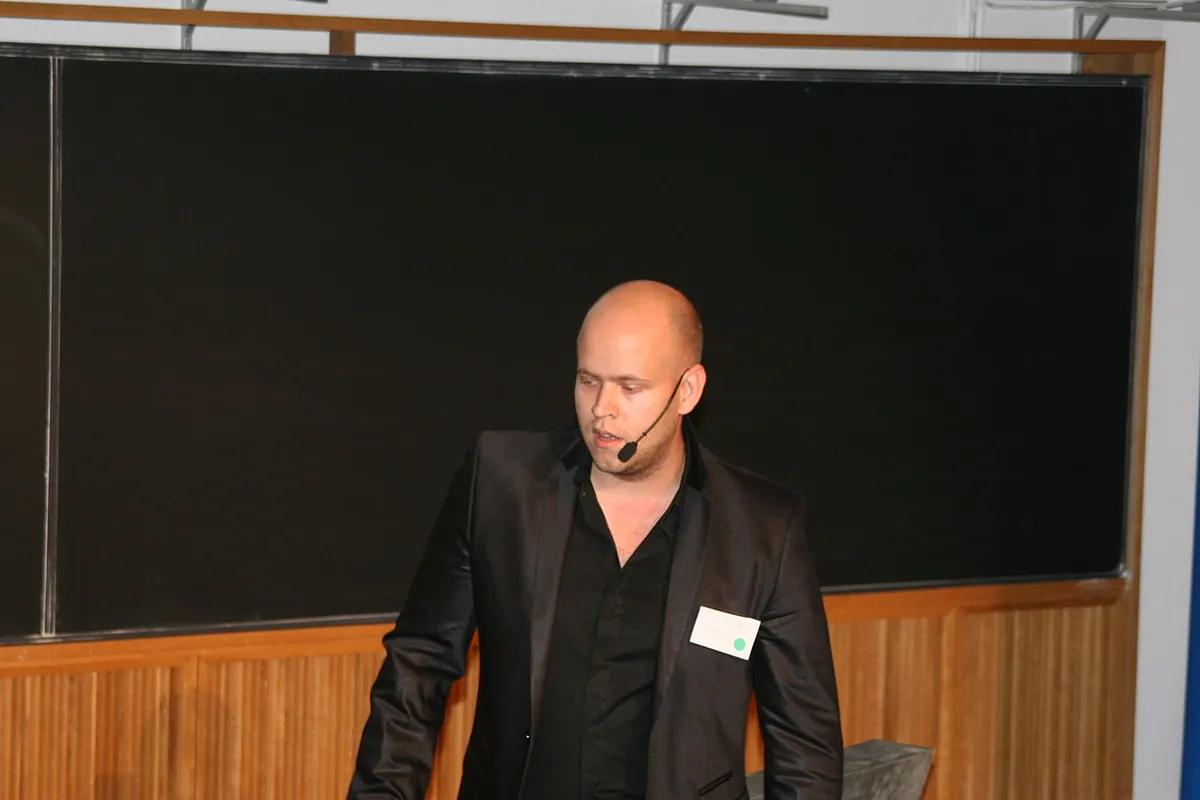
Spotify CEO Daniel Ek has been threading the needle on AI for years, but the Verified by Spotify rollout signals a definitive pivot toward protecting the humans in the room. To earn that emerald stamp of approval, artists can’t just upload a file and pray to the algorithm. The criteria are surprisingly rigorous. According to Spotify for Artists, creators must demonstrate consistent listener engagement and adhere to strict platform policies. They have to prove they exist in the physical world. This means maintaining a genuine presence both on and off the platform—think verified social media links, active touring schedules via integrations like Songkick, and a paper trail of human interaction that an algorithm simply can't forge.
The industry has been in a defensive crouch since the 2023 explosion of Ghostwriter, the anonymous creator whose AI-generated track "Heart on My Sleeve"—featuring spookily accurate clones of Drake and The Weeknd—blew up the internet before being scrubbed from services. Since then, Universal Music Group chairman Lucian Grainge has led the charge, demanding that platforms protect the "sanctity of the artist." The green checkmark is the most aggressive answer yet to that demand, ensuring that when you see a name in your Discover Weekly, there is a real person behind the microphone.
Proof of Life in the Digital Age
The rollout has already sparked a frenzy within the indie community. For years, independent artists have felt buried under the sheer weight of "slop"—low-effort, AI-generated tracks designed specifically to game the system. Now, those human artists have a flare gun to fire. The verification process, which began rolling out to users on April 30, requires artists to jump through several hoops that a bot would find impossible to clear. Profiles that primarily represent AI-generated music are explicitly excluded from the badge. If your artist doesn't have a face, a story, or a social media footprint that dates back further than a week, you're staying in the unverified shadows.
Fans have taken to X and Reddit to share their first glimpses of the emerald badge. "It’s about time," wrote one user on the r/Spotify subreddit. "I’m tired of clicking on a 'new artist' only to realize it's a 30-second loop made by a bot to farm streams." This sentiment echoes across the industry. The San Francisco Chronicle recently noted that this move isn't just about aesthetics; it’s about the currency of trust. In an era of deepfakes, knowing the voice in your headphones belongs to a person who actually felt the emotions they are singing about is becoming a premium product.
This initiative also tackles the "junk" music problem that has historically plagued the platform's search function. By prioritizing verified human artists in search results and editorial playlists, Spotify is effectively creating a two-tier system. On one side, you have the verified human creators who are the lifeblood of the culture. On the other, you have the unverified content creators—the AI tools and bot-farms that produce music at a scale humans can't match, but with a soul they can't replicate.
The High Price of a Heartbeat
While tech enthusiasts argue that AI is just another tool, like the synthesizer or the drum machine once were, the industry's heavy hitters aren't taking any chances. CBS News reported that the Verified by Spotify program is part of a larger push for transparency that includes better metadata and clearer labeling. It’s a strategy that mirrors how social media platforms have tried to handle political misinformation, but applied to the world of art. The goal is to ensure that the relationship between the fan and the artist remains sacred.
The financial stakes are just as massive as the cultural ones. By separating human artists from AI generators, Spotify can better direct its promotional tools and algorithmic boosts toward creators who build genuine fanbases. As RouteNote Blog pointed out, verification is a signal to the algorithm that this artist is a long-term investment, not a flash-in-the-pan AI experiment. This helps stabilize a market that has been increasingly volatile as generative AI tools like Suno and Udio make it possible for anyone to churn out a professional-sounding song in seconds.
As the green checkmarks continue to bloom across the platform, the message from Stockholm is clear: the future of music is still human. Artists like Billie Eilish and Robert Smith have previously signed open letters warning against the predatory use of AI, and this system feels like a direct response to those concerns. It’s a bold attempt to reclaim the narrative and ensure that while technology will always have a seat in the studio, it shouldn't be the one taking the bow on stage.
The next time you’re diving into a new genre, keep an eye out for that little flash of green. It’s more than just a badge; it’s a guarantee that there’s a heart beating on the other side of those lyrics. It’s a reminder that even in a world of perfect algorithms, there is no substitute for the messy, beautiful reality of human expression.


