 THE MARQUEE
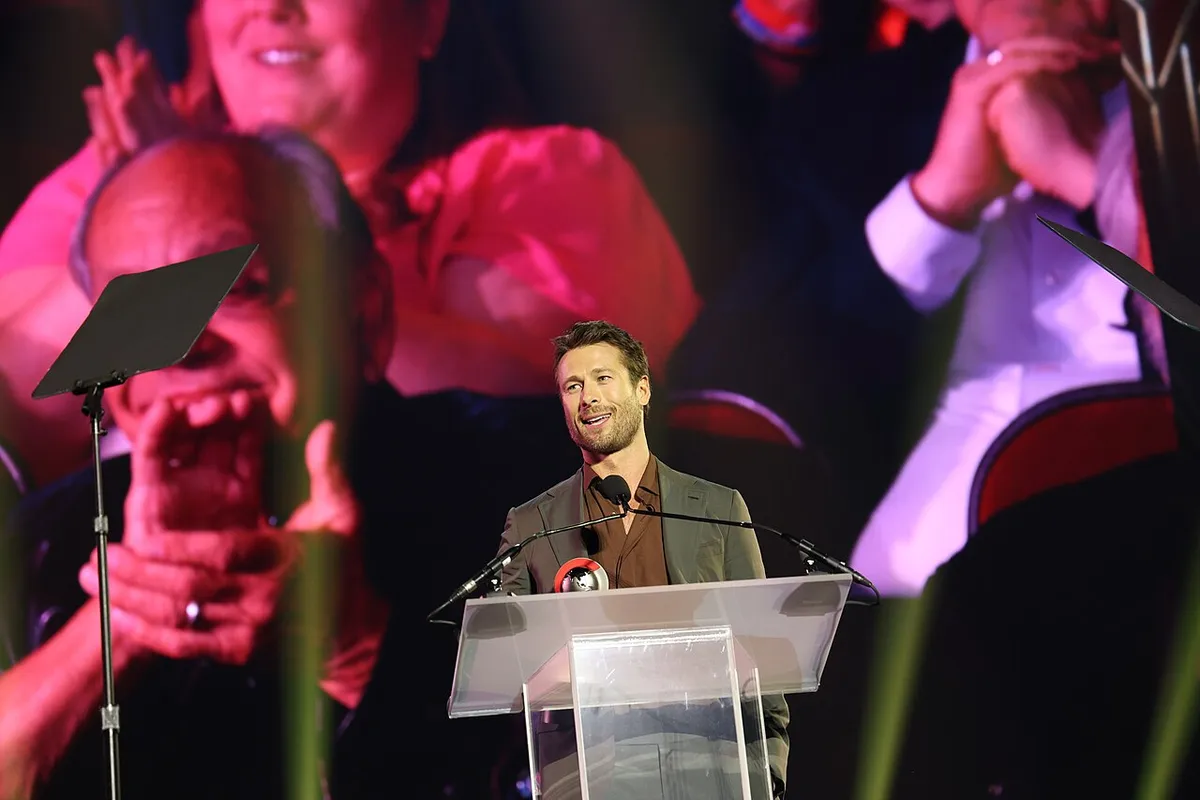
Forget the funeral rites and the panic-buying of sweatpants. The air inside the Colosseum at Caesars Palace usually smells like a desperate cocktail of expensive cologne and high-stakes gambling, but this week in Las Vegas, the scent has shifted to something much sweeter: the unmistakable, buttery aroma of a full-throttle comeback. As CinemaCon 2026 roared to life, the thousand-plus theater owners, studio kingpins, and popcorn purveyors didn’t look like a group managing a slow decline into irrelevance. They looked like they just hit the jackpot. The atmosphere was thick with what Cinema United President Michael O’Leary dubbed “defiant optimism,” a phrase that didn't just hang in the air—it became the week's pulse.
It’s easy to talk tough when the spreadsheets are screaming. Unlike the tentative, “please-come-back” recoveries of the post-pandemic era, the domestic box office in early 2026 has been an absolute juggernaut, marking the most explosive start to a theatrical year since the world went dark in 2020. This wasn't a slow burn; it was a supernova. Universal and Illumination’s The Super Mario Galaxy Movie, which detonated across screens on April 1, has already transcended the “hit” label to become a full-blown cultural phenomenon. For the exhibitors huddled in the desert, that red-capped sequel provided more than just a massive payday—it served as a bulletproof shield against the exhausted narrative that streaming would eventually devour the multiplex whole. Cinema isn't just surviving; it’s flexing.
The $1.77 Billion High Stakes Gamble
The numbers vibrating through the halls of Caesars are enough to make any executive’s head spin. By the time O’Leary stepped under the spotlight, the industry was staring down a Q1 domestic haul that cruised past the $1.77 billion mark—a milestone that felt like a fever dream only twenty-four months ago. “We are no longer talking about ‘getting back to normal,’” one independent theater owner from the Midwest was overheard saying near the registration desk, his voice tinged with a mix of relief and adrenaline. “We are talking about expansion. We are talking about dominance.”
This renewed swagger is being fed by a release slate that mirrors the glory days of 2019. The 2026 calendar is a relentless parade of heavy hitters designed to be seen on screens the size of a basketball court. Throughout the opening presentations, the whispers were unanimous: the pipeline is finally full. From the upcoming December carnage of Marvel Studios’ Avengers: Doomsday to the gothic anticipation surrounding The Batman Part II in 2027, the supply chain issues sparked by the 2023 strikes have been scorched away. What’s left is a streamlined, blockbuster-heavy engine that is finally back in gear and ready to roar. The experimentation with day-and-date releases and truncated 17-day windows has largely chilled, replaced by a fierce, renewed vow to protect the 45-day exclusive theatrical run. The windows are sacred again because, quite frankly, they’re too profitable to break.
The Mario Effect and the New Gods of the Box Office
The conversation in every VIP lounge inevitably loops back to a certain Italian plumber. Universal Pictures Chairman Donna Langley and the Illumination crew have essentially handed theater owners a golden mushroom, and the high from the April numbers has turned into a collective exhilaration. Social media feeds are currently a blur of packed lobbies and audiences cheering at the screen—a visceral, digital rebuttal to the idea that people would rather wait for a rental. “There is no replacement for the sound of a thousand people laughing at the same joke in the dark,” Langley told a private reception on Monday evening, emphasizing that the communal experience is an itch that an algorithm simply cannot scratch.
But the weight of the industry isn't just resting on Nintendo’s shoulders. Warner Bros. Discovery arrived in Vegas with a mission: to prove the DC Universe is ready for its rebirth. James Gunn and Peter Safran, the masterminds of this new superhero era, are the week's most anticipated guests, with the industry clamoring for a first look at Supergirl: Woman of Tomorrow starring Milly Alcock. The buzz suggests Gunn’s vision might provide the creative reset the genre has desperately needed since the mid-2020s fatigue set in. If Mario proved the audience is there, Gunn is looking to prove that the superhero gold rush isn't over—it’s just under new management.
Even the indie darlings are showing their teeth. Neon and A24 have hit Vegas with larger footprints and more aggressive slates, signaling that the “middle-class” movie is making a violent return to the marquee. The early-year success of titles like The Drama has proved that audiences are craving more than just intellectual property; they want original, high-concept stories that justify a $15 ticket and a bucket of popcorn. It’s a healthy ecosystem where the titans and the disruptors are finally thriving in the same soil.
Laser Focus: Turning the Page on Consolidation
While the mood is electric, the industry isn't ignoring the tectonic shifts in the background. Consolidation among major circuits like AMC, Cinemark, and Regal remains the primary industry gossip, but the fear has shifted from “will we stay open?” to “how can we optimize?” The survivalist crouch is gone. Now, it’s about the tech. Owners are racing to install laser projectors and expand premium large formats (PLF) like IMAX and ScreenX at an all-time high. IMAX CEO Richard Gelfond noted that 2026 is tracking to be a record-shattering year for the company’s global footprint, proving that if you build a bigger, louder, better screen, the people will come.
The long-standing war between studios and exhibitors over theatrical windows has evolved into something resembling a functional marriage. There’s a dawning realization that a theatrical hit makes a movie infinitely more valuable once it eventually hits a streaming app. Under Bob Iger’s continued watch, Disney has pivoted back to a “theater-first” gospel, positioning Toy Story 5 and the live-action Moana as the crown jewels of the upcoming seasons. Fans are feeling the shift, too. As one viral tweet highlighted during a marketing panel put it: “Watching a trailer on my phone makes me want to see it. Watching a trailer on a 60-foot screen makes me NEED to see it.”
As the sun dips behind the desert mountains and the neon lights of the movie posters lining Caesars’ hallways burn a little brighter, the vibe is undeniable. The “defiant optimism” O’Leary preached isn't a PR stunt—it’s a reality born of a slate that works and an audience that has finally come home. From the high-stakes theater of the Colosseum to the late-night deals being brokered over steaks at the Old Homestead, the message is loud and clear: the theatrical experience isn't a legacy business—it is the engine that drives the entire entertainment universe. With Avengers: Doomsday slated for December and the Mario momentum showing no signs of slowing down, the 2026 box office isn't just back. It’s looking for blood.


