 THE MARQUEE
Jason Collins didn’t need to be a superstar to change the world; he just needed to be himself. When the seven-foot center passed away on Tuesday, May 12, 2026, at the age of 47, the NBA lost more than a defensive anchor—it lost the man who traded the safety of the shadows for the unforgiving glare of history. His family, in a statement released through the league, confirmed that Collins succumbed to a grueling, eight-month battle with glioblastoma. It is the kind of news that brings the frantic pace of the sports world to a sudden, somber halt, reminding us that his greatest contribution wasn't a box score, but a breakthrough.
Before he was a civil rights icon, Collins was the quintessential blue-collar bruiser. He was the enforcer you wanted in the paint when the elbows started flying, a defensive specialist who prioritized a hard-set screen over his own stat line. But his most powerful act of strength didn’t involve a blocked shot or a rebound; it arrived in the pages of Sports Illustrated in 2013. With twelve revolutionary words—"I'm a 34-year-old NBA center. I'm black. And I'm gay"—Collins shifted the tectonic plates of professional sports. He wasn't just stepping out; he was kicking down the reinforced doors of the locker room, dismantling the myth that authenticity and athleticism couldn't occupy the same space.
The Weight of the Number 98
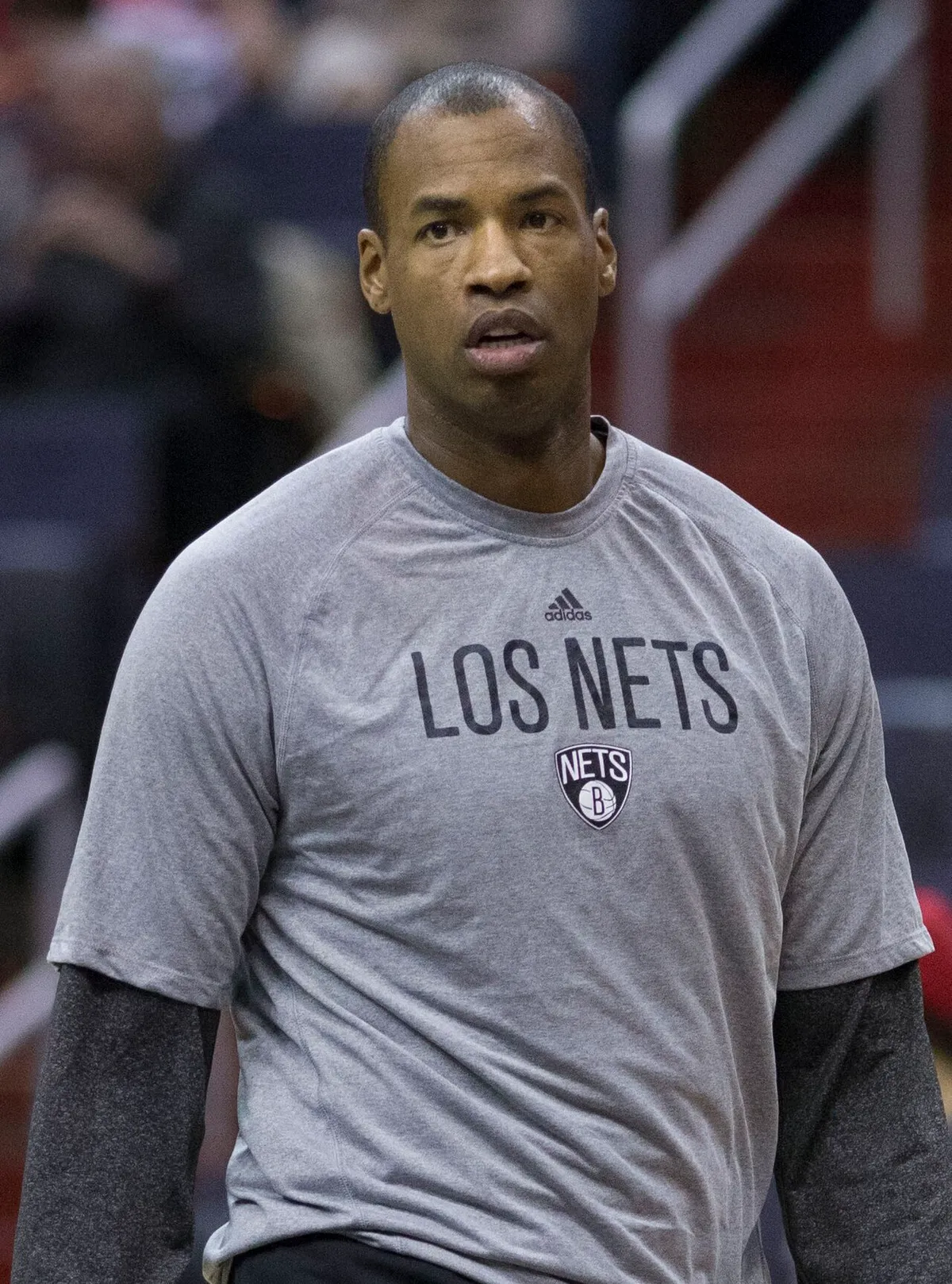
When Collins suited up for the Brooklyn Nets in February 2014, the air in the arena felt different—thick with the realization that history was in motion. Signing a 10-day contract, he became the first openly gay active male athlete to play in any of the four major North American professional leagues. His choice of jersey, the number 98, was a masterclass in subtle, profound tribute. It was a nod to Matthew Shepard, the college student murdered in a 1998 hate crime, turning a simple piece of mesh into a beacon of remembrance. That jersey didn't just sell; it shattered records on the NBA’s online store, with every cent of profit flowing toward the Matthew Shepard Foundation and GLSEN. It was proof that while the pundits were still debating, the fans were already reaching for progress.
NBA Commissioner Adam Silver, who stood alongside Collins through years of inclusion initiatives, reflected on the league's profound sense of loss this week. Silver hailed Jason as a "cherished member of the NBA family" and a "leader who showed us that true strength is found in being your authentic self." On social media, the tribute was a landslide of gratitude. On Reddit’s r/nba, the sentiment was summed up in a top-rated comment that read: "He took all the heat so others wouldn't have to. A true pioneer in every sense of the word. Rest in power, Jason."
His courage resonated all the way to the Oval Office. In 2013, then-President Barack Obama called Collins to offer a personal salute, a moment that cemented the center's status as a symbol of a rapidly evolving America. Yet, for all the gravitas of his public persona, those in the league remember him as a teammate first. He was the veteran who stayed late to mentor a rookie, the guy who knew that a perfectly timed screen was the invisible heartbeat of a winning play.
A Twin Legacy and the Hardwood Grind
You cannot tell the Jason Collins story without the shadow and the support of his twin brother, Jarron. Long before they were pros, they were the "Twin Towers of Palo Alto," where Jarron led Stanford University to a storied Final Four run in 1998 while Jason was a medical redshirt. They were a matching set of intellect and physicality, two cerebral giants who dominated the Pac-10. When Jason was selected 18th overall by the Houston Rockets in the 2001 NBA Draft (and promptly traded to the New Jersey Nets), he began a 13-season journey that would see him become the defensive heartbeat of championship-contending teams.
During his early tenure with the Nets, Jason was the silent engine behind back-to-back NBA Finals appearances in 2002 and 2003. Sharing the floor with Hall of Famer Jason Kidd, Collins defined the "pro's pro" archetype. He didn't crave the spotlight; he craved the win. From New Jersey to Memphis, Minnesota to Atlanta, and Boston to Washington, he built a reputation as the ultimate locker room glue guy. Across more than 700 games, he earned the respect of every coach who valued the gritty, unglamorous work of winning basketball.
Through the media storms and the personal milestones, the bond between the brothers remained unbreakable. Jarron, who carved out his own successful coaching career with the Golden State Warriors and New Orleans Pelicans, was Jason’s fiercest ally. In a statement released Tuesday, the family requested privacy while celebrating a life "defined by kindness, integrity, and an unwavering commitment to making the world a more welcoming place for everyone." At Stanford, where the twins are still spoken of in reverent tones, the loss feels like the end of an era for the Maples Pavilion faithful.
The Final Buzzer for a Gentle Giant
The fight against glioblastoma is a brutal one, and the basketball community had been holding its collective breath as news of Jason’s health struggles began to leak. It is a relentless form of brain cancer, yet those close to him say he approached the diagnosis with the same stoic, quiet resolve he brought to the low post. There was no public outcry for pity; instead, he focused on his family and his advocacy for LGBTQ+ youth, even as his physical frame began to fail him.
The outpouring from the league’s modern stars has been immediate. "Jason was the ultimate teammate," former Nets comrade Paul Pierce wrote on X. "He played the game the right way and lived his life the right way. My heart goes out to the Collins family." For the younger generation of players, the ease with which they can now live their lives is a direct inheritance from the arrows Collins took in 2013. He didn't just open a door; he built a bridge and stayed long enough to make sure others could cross it safely.
As the lights dim on a life lived with extraordinary purpose, Jason Collins leaves behind a legacy that far outweighs his career averages. He taught a hyper-masculine culture that vulnerability is a form of power. He proved that a seven-footer from Northridge could be both a fierce enforcer on the hardwood and a gentle soul committed to human rights. Glioblastoma may have taken him at 47, but it couldn't touch the blueprint he left for the next generation of athletes. The arenas feel a little emptier tonight, but the path Jason Collins blazed remains lit for anyone brave enough to walk it.


