 THE MARQUEE
The Colosseum at Caesars Palace is a room built for empires, usually smelling of overpriced cologne and corporate anxiety, but recently, it was vibrating with pure, unadulterated adrenaline. As the house lights dimmed for Sony Pictures’ massive kickoff presentation at CinemaCon 2026, the thousand-yard stares of theater owners and industry titans evaporated, replaced by a singular, frantic anticipation for the kid from Queens who officially doesn’t exist anymore. After years of radio silence, cryptic Instagram teases, and the kind of high-stakes development rumors that keep the internet in a state of perpetual cardiac arrest, Sony Chairman Tom Rothman strode onto the stage with the unmistakable swagger of a man ready to unveil one of the most anticipated projects in recent cinema history.
The revelation didn’t just meet the moment—it shattered it. Sony finally pulled back the curtain on the fourth installment of its Marvel Cinematic Universe partnership, detailing the highly anticipated project that has been at the center of fan speculation for years. Set to storm theaters on July 24, 2026, the film marks a brutal, necessary turning point for Tom Holland’s web-slinger. This isn’t the wide-eyed protégé of Tony Stark or the kid asking for a cosmic favor. The footage screened for the exclusive Las Vegas crowd paints a portrait of a hero facing a new reality, now four years removed from the reality-shattering erasure of 2021’s No Way Home.
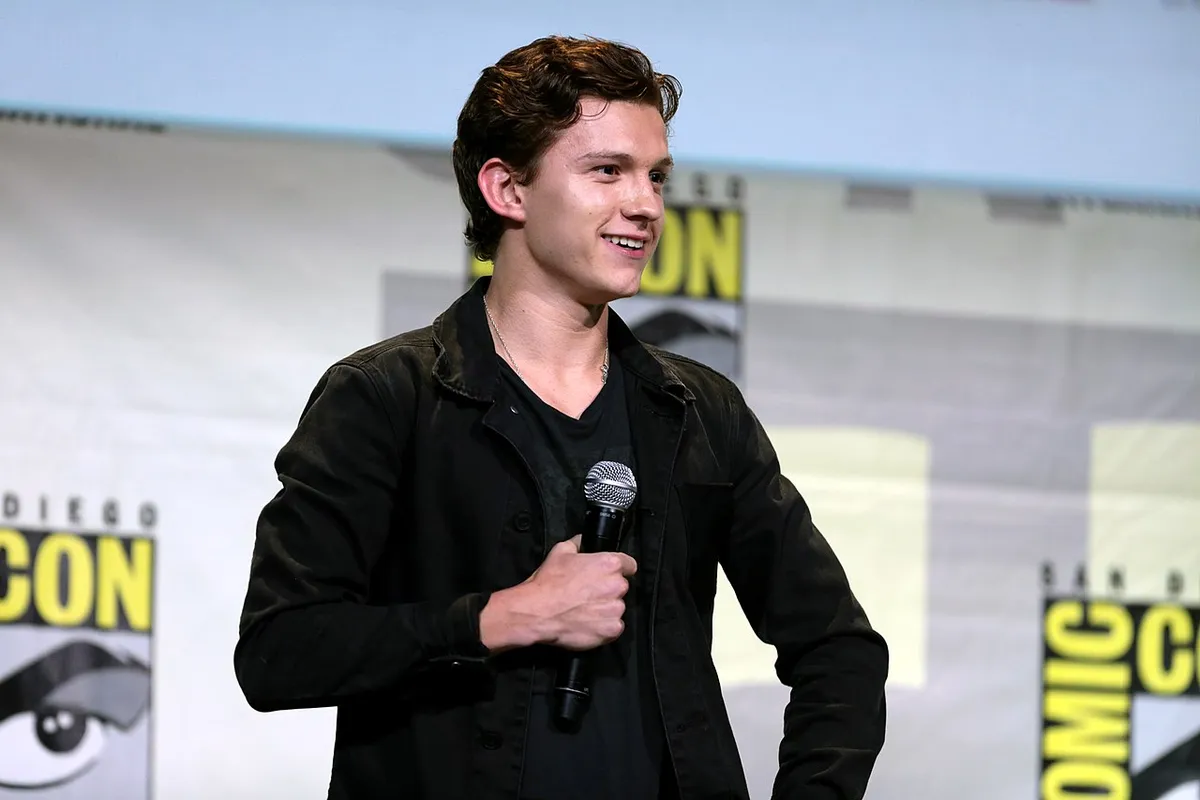
Tom Holland appeared via a high-energy video message, looking noticeably different—leaner, more rugged, and wearing the psychic weight of a character who has spent years living as a ghost. Holland shared his excitement for the project, noting that the creative team has been waiting for the right moment to tell this specific story. He emphasized that Peter is in a place we’ve never seen him before, truly on his own with stakes that feel more personal than they ever have. This is the version of the hero fans have been asking for—back to basics, back to the streets, and fighting for his life every single day.
A Scuzzy, Street-Level Reset in the Heart of Manhattan
The sizzle reel was a sharp, jagged departure from the multiverse-hopping spectacle of the previous trilogy. Gone are the shimmering portals and cosmic stakes. Instead, the footage opened with a hauntingly quiet shot of a cramped, dimly lit apartment in the Lower East Side where the atmosphere is thick with isolation. We see the humble surroundings of a hero who no longer has access to his previous resources. There isn’t a single scrap of high-tech Stark Industries hardware in sight. Instead, the camera lingers on Peter Parker in his new environment, maintaining a suit that looks lived-in, battle-worn, and rough around the edges. The vibrant red and blue are still there, but they’re muted by the grime and salt of a New York City winter.
The narrative leap here is daring. By anchoring the film four years after the world forgot Peter Parker’s face, Sony and Marvel Studios President Kevin Feige are leaning hard into the "friendly neighborhood" grit that defined the character’s earliest comic book roots. The footage showcased a series of kinetic, bone-crunching fights in alleyways and on rain-slicked rooftops, emphasizing raw agility and desperation over technological gimmicks. One standout sequence featured Peter pursuing a group of thieves through a crowded city environment, utilizing the urban landscape in ways that felt like a spiritual successor to the classic Sam Raimi era, but infused with the refined, visceral choreography Holland has mastered over his tenure.
Social media reactions from the room were instantaneous and electric. "The vibe is completely different," one theater owner was heard muttering near the exits, still visibly stunned. "It feels like a 70s crime thriller that just happens to have a superhero in it. If No Way Home was the celebration of the past, this next chapter is the foundation for the next decade." The approach signals a total clean slate for the franchise. The film is expected to see Peter navigating a life where he is truly anonymous, forcing him to deal with new villains and the crushing reality of being unable to rely on his former life—a relatable, human struggle that appears to be the beating heart of this new production.
The Loneliness of the Long-Distance Wall-Crawler
One of the most striking details confirmed during the presentation is the timeline. The film takes place in real-time relative to our world, meaning Peter Parker has been operating in the shadows of the MCU for four long years without the safety net of the Avengers, the guidance of Happy Hogan, or the love of his best friends MJ and Ned. The isolation is palpable, almost suffocating. In one brief, heartbreaking clip, Peter walks through a crowded city street and lingers on the world he can no longer be a part of. His eyes reflect a profound, quiet sense of loss before he pulls his hoodie up, tucks his head, and disappears into the faceless Manhattan crowd.
Sony is betting the house on the emotional resonance of a hero who has lost everything but his sense of responsibility. Tom Rothman emphasized that this film isn't just an action vehicle—it's a study of resilience. He spoke to the audience about how the character's greatest strength is his ability to get back up when life knocks him down, noting that Peter has been tested more than ever before. Industry buzz suggests this grounded approach is a strategic pivot, a way to differentiate the Spider-Man franchise from the increasingly tangled multiversal narratives currently dominating the superhero landscape.
While casting details remain locked in the Marvel vault, the glimpse of Peter's new life in the footage sent the rumor mill into a frenzy. Fans are already dissecting the implications of how the story will handle his isolation and the sacrifice made at the end of the last film. The consensus among the CinemaCon crowd was that the film is introducing a fresh supporting cast, drawing from the eccentric characters that have populated Peter's life in the source material, giving the world a chance to fall in love with his civilian life all over again.
July 2026: The Summer of the Spider
The July 24, 2026, release date is a tactical strike. Sony is positioning the film as the definitive blockbuster event of the summer, a slot that has historically yielded historic box office returns for the franchise. With the setting established firmly in the canyons of New York, the city is becoming a character once more. The footage showcased iconic spots like the High Line and the Brooklyn Bridge, but they felt different—darker, more textured, less like a playground and more like a battlefield. The cinematography looked breathtaking on the massive Colosseum screens, leaning into a gritty and atmospheric aesthetic that matches the film's grounded tone.
As the presentation drew to a close, the logo for the film flashed across the screen—a sleek, modern design featuring a spider emblem that looks hand-drawn, almost like street-art graffiti. It’s a subtle, effective hint at the nature of Peter’s new existence. The fever pitch in Las Vegas served as a reminder that despite any talk of "superhero fatigue," Spider-Man remains the gold standard. This film represents more than a sequel; it’s a mission statement for the future of the franchise and its ongoing, lucrative dance with Disney’s Marvel Studios.
The road to July 2026 is a long one, but the first look at CinemaCon has set a staggering bar. We’re witnessing a version of Peter Parker who is truly a man of the people, fighting the good fight in the shadows, waiting for the moment he can step back into the light. If the reaction in that room was any indication, the world is more than ready to remember Peter Parker, even if he’s not quite ready for the world to know his name just yet. The countdown to the web-slinger’s next chapter has officially begun in the loudest way possible.


