 THE MARQUEE
The simulation is officially glitching, and the soundtrack is a dizzying mix of Harlem house beats and high-Tory maneuvering. Azealia Banks is no longer just the queen of the dancefloor; she’s the most unlikely guest of honor in the history of the British establishment. On July 3, the Manhattan-born provocateur—whose tongue is famously sharper than her house-inflected hooks—is set to descend upon London for The Spectator magazine’s annual summer party. It’s an event usually reserved for the stiffest collars and deepest pockets in the United Kingdom, a networking hive for the powerful. But this year, the champagne will be served with a distinctly 212 flavor, courtesy of a budding, high-octane alliance between the rapper, Conservative heavy-hitter Kemi Badenoch, and The Spectator’s editor, Michael Gove.
This surreal collision of worlds was ignited by a characteristically explosive social media endorsement that left Westminster reeling. Banks, never one to play it safe or predictable, took to Instagram to shower praise on Badenoch, the Leader of the Opposition and the undisputed rising star of the Tory right. In a series of viral posts that tore through X (formerly Twitter) like a wildfire, Banks hailed Badenoch as “f***ing iconic,” obsessing over her no-nonsense steel and her commanding presence as a Black woman within the traditionally pale and stale corridors of British power. Banks didn't just stop at a digital high-five; she went full partisan, urging her UK fanbase to throw their weight behind the Conservatives, arguing that Badenoch possesses a “realness” her rivals couldn't simulate with a thousand focus groups. It was the kind of endorsement that makes PR firms break out in a cold sweat—unfiltered, unprompted, and undeniably loud.
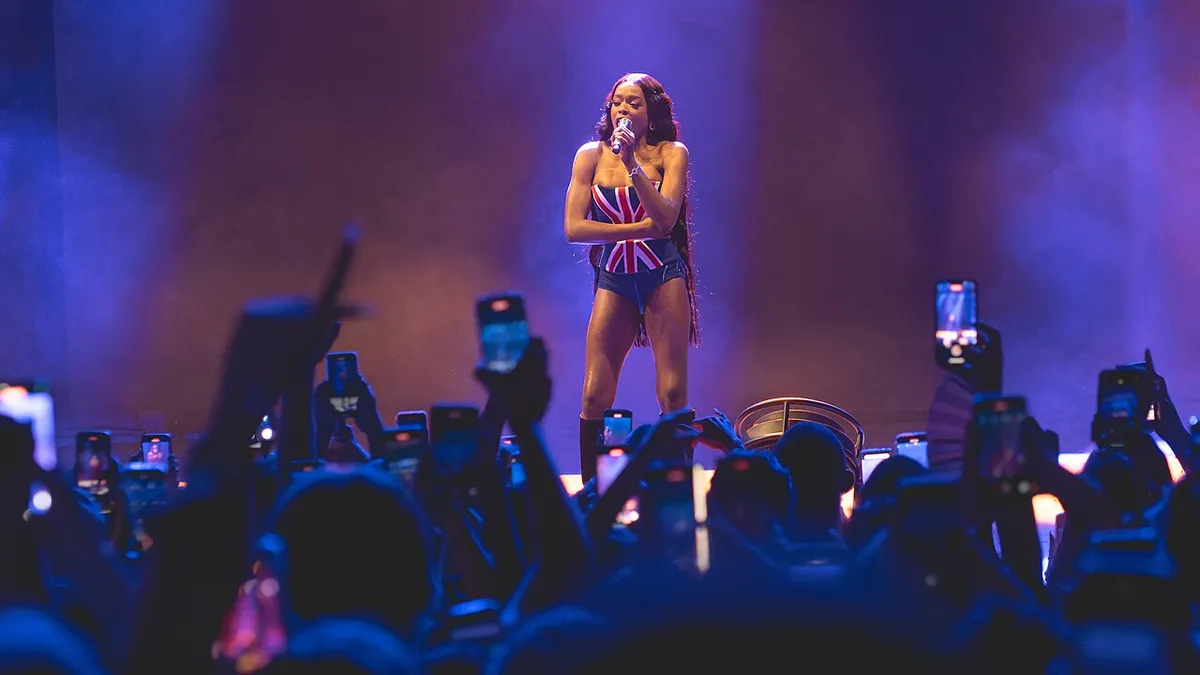
The 'Iconic' Endorsement: When Rap Royalty Met the Anti-Woke Vanguard
To grasp why this political pivot is sending shockwaves through London, you have to understand the specific brand of alchemy at play. Kemi Badenoch has built her political identity on being the straight-talking, anti-woke insurgent who delights in ruffling the establishment’s feathers—a persona that clearly speaks to a woman who once famously waged digital war on everyone from Zayn Malik to the entire nation of Ireland. To Banks, Badenoch’s climb through the Tory ranks isn’t just politics; it’s a masterclass in individual power. “She’s a real girl,” Banks told her followers, using her signature vernacular to transform the Leader of the Opposition into a cult pop-culture figure overnight. The reaction was a fever dream of internet culture: Badenoch’s face was instantly photoshopped onto the cover of Banks' Broke with Expensive Taste, while bewildered political pundits struggled to explain why a Harlem rapper had become the loudest advocate for the British right wing.
The establishment didn't just notice the noise; they invited it inside. Michael Gove, the former Cabinet heavyweight who traded his seat at the top table of government for the editor’s chair at The Spectator, saw a golden opportunity to inject some raw, New York energy into the magazine’s social calendar. Gove—a man whose own brand of eccentricity includes viral footage of him tearing up the dancefloor in Aberdeen nightclubs—publicly pounced on the endorsement. Speaking to The Guardian and other major outlets, Gove expressed his absolute delight at Banks’ support for Badenoch and confirmed the red carpet was being rolled out for her at the magazine’s July 3rd summer bash. “Looking forward!” Gove remarked, essentially opening the gates of the citadel to the woman who famously claimed she practiced “brujeria” in her bedroom closet.
22 Old Queen Street’s Ultimate Vibe Shift
The stage for this historic clash is 22 Old Queen Street, the grand Westminster headquarters where The Spectator holds court. The summer party is a legendary staple of the “London Season,” where the gossip flows as fast as the Pol Roger. Usually, the biggest scandal is a backbencher whispering to a lobbyist; this year, the paparazzi will be hunting for a very different quarry. When Banks steps onto those historic cobblestones, she won't just be a celebrity guest; she’ll be a living symbol of a fractured, weird new era where political loyalty cares nothing for geography or genre. For Gove, securing the “212” rapper isn’t a mere party trick—it’s a tactical statement. By embracing Banks, he is signaling that the Conservative movement is still capable of capturing the imagination of high-energy, unconventional disruptors who don’t fit the traditional Tory mold.
Fans on social media are already treating the upcoming meeting like a pay-per-view event. “I need a 24-hour livestream of Azealia explaining the rap industry to Michael Gove while he tries to explain the intricacies of the Northern Powerhouse,” one user posted on X, perfectly capturing the chaotic energy of the pairing. This isn't just a party; it's a simulation error come to life. Banks has a long history of spotting political shifts before they hit the mainstream, having previously aligned herself with figures like Donald Trump. To her, Badenoch isn’t just a politician; she’s a protagonist in the grand, dramatic narrative that Banks sees unfolding across the globe.
The Harlem Prophet in the Heart of the Machine
While the Tory party feels like a bizarre destination for a New York hip-hop legend, Banks has always maintained a complicated, obsessive relationship with the UK. She has long championed the London club scene and the grime sounds that colored her early masterpieces. But her history here is a rollercoaster of highs and lows, from being dropped from the Born & Bred festival in 2016 to her recent, polished appearances on the front rows of London Fashion Week. She is a permanent, if volatile, fixture in the British cultural psyche. This pivot to the political right in the UK is simply the latest chapter in a career that refuses to be categorized. She isn’t just attending a cocktail party; she is planting a flag in a different kind of power structure.
As the July 3 date looms, the logistics of her arrival have become the only topic of conversation in the bars around SW1. Will she perform? It’s unlikely, given the “mingle-and-sip” nature of the event, but her mere presence is a headline. The potential meeting between Banks and Badenoch will be the photo op heard 'round the world—a bizarre synthesis of American celebrity obsession and the centuries-old traditions of British parliament. For Banks, it’s proof that she can dominate any room she chooses. For Badenoch, it’s a hit of unexpected “cool” that her rivals in the Labour party couldn't buy if they tried. For the rest of us, it’s the most fascinating social experiment of the summer. When the sun sets over St. James's Park on July 3, all eyes will be on Old Queen Street. Azealia Banks is bringing her “iconic” brand of fire to the heart of the establishment, and the London political scene may never look the same again.


