 THE MARQUEE
The signature staccato of the American Idol theme song usually hits like a shot of pure, uncut nostalgia, but during the May 12, 2024, reunion special, that warm fuzzy feeling was instantly replaced by a collective, breathless gasp across the digital landscape. When Randy Jackson—the original “Dawg” and the undisputed rhythmic soul of the show’s imperial phase—stepped back onto the stage to mentor the Top 5, the celebration took a sharp, somber turn. While the 67-year-old music industry titan delivered the kind of surgical wisdom only a legend can provide, his physical presence told a story that left long-time viewers reaching for their keyboards in a state of genuine alarm.
Clad in a sleek, high-fashion ensemble that seemed to swallow his significantly smaller frame, Jackson appeared visibly fragile, moving with a deliberate care that sat in stark contrast to the easy-going swagger of the early 2000s. But it was the sound that truly rattled the Idol faithful. The man who once unleashed critiques so boisterous they could rattle the rafters of the Dolby Theatre spoke in a soft, labored rasp. His voice was thin, a ghost of his former baritone, requiring the show’s audio engineers to noticeably crank his levels just so his masterclass could be heard over the hum of the studio.
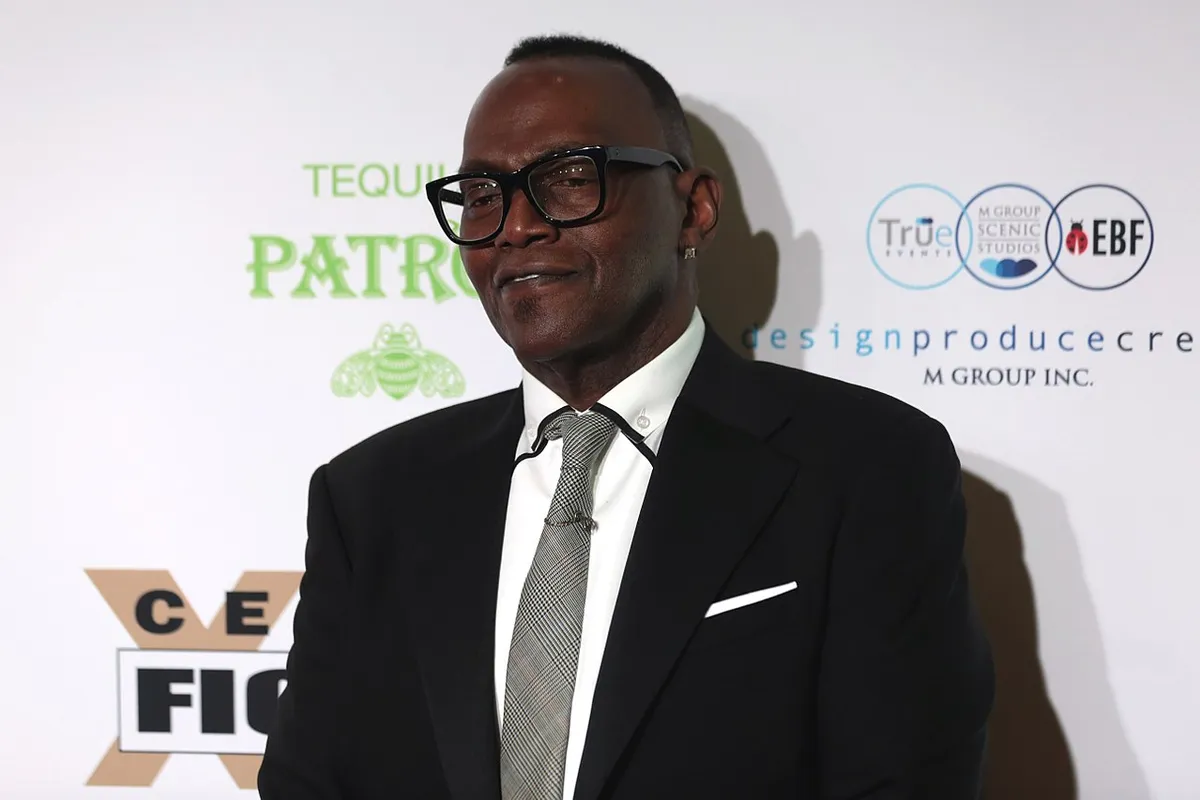
The Sharpest Mind, The Softest Voice
As Jackson sat down with the season’s remaining hopefuls to navigate the high-stakes pressure of the semi-finals, it was clear that his musical instincts remain terrifyingly sharp. He dissected vocal runs and stage presence with the precision of a man who has clocked decades in the trenches with everyone from Journey to Mariah Carey. The mind is still very much in the game, but the disconnect between his vibrant spirit and his fragile exterior was impossible to ignore. Within minutes of his first frame on screen, “Randy Jackson” began trending on X (formerly Twitter), not for his critiques, but for his health.
The digital fallout was a heavy mix of heartbreak and frantic speculation. “My heart literally sank seeing Randy Jackson on Idol tonight,” one user posted, a sentiment that was echoed and amplified by thousands. “He sounds so winded just trying to talk. I hope he’s alright, he’s such a legend.” Over on Reddit’s American Idol community, the live episode thread was a flurry of concern. Fans pointed out that while Randy has always been open about his weight loss journey, this felt like a different chapter entirely. The hoarseness sparked theories ranging from simple fatigue to more serious underlying conditions, though neither Jackson’s camp nor the producers at ABC have offered an official health update.
During the broadcast, Jackson remained the ultimate professional, ignoring the elephant in the room to focus entirely on the contestants. He shared a particularly poignant moment with one of the young hopefuls, leaning in close to whisper, “You’ve got the gift, man. Just let it fly.” It was a classic Randy Jackson beat, but the sheer physical effort required to deliver that simple encouragement was palpable to those watching at home.
Decades of Being a ‘Health Crusader’
To understand why the Idol audience is so protective of Jackson, you have to look back at a health journey that has played out in the public eye for over twenty years. In 2003, at the absolute zenith of Idol mania, Jackson underwent gastric bypass surgery after his weight climbed to 350 pounds. He didn't just lose the weight; he transformed his entire life, dropping 114 pounds and maintaining it through a militant commitment to fitness and nutrition. This was survival, plain and simple. Around the same time, Jackson was diagnosed with Type 2 diabetes, a life-altering realization that forced him to become a self-described “health crusader.”
In his 2008 book, Body with Soul, Jackson pulled back the curtain on the harrowing moment he realized his body was failing him, detailing how he essentially had to re-learn the mechanics of living. He later co-founded Unify Health Labs, a company dedicated to simplifying the wellness journey for the masses. For years, he was the gold standard for successful lifestyle management, appearing on talk shows looking lean, energetic, and indestructible. This long history of transparency is exactly why his appearance on the May 12 episode felt so jarring. Seeing the man who pioneered a “health-first’ narrative looking so diminished felt like a startling shift in a story many had followed for two decades.
While some corners of social media jumped to dire conclusions, others urged a bit of perspective. Jackson is nearing 70 and has lived with a chronic illness for a significant portion of his life. “Diabetes takes a toll on the body over decades,” noted one commenter on a TV Insider report. “He’s also almost 70. Let’s give the man some grace.” Some suggested the hoarseness could be a lingering respiratory issue or simply the wear and tear of a life spent in loud studios, but without an official word, the rumor mill continues to churn at high speed.
The Untouchable Legacy of the Original Dawg
Regardless of the current speculation, the reunion served as a powerhouse reminder of why Randy Jackson is a foundational pillar of the entertainment landscape. Before he was a household name for his “Yo, dawg” catchphrase, he was an elite session bassist holding down the low end for Aretha Franklin, Jean-Luc Ponty, and Carlos Santana. His tenure as a judge alongside Simon Cowell and Paula Abdul didn't just change TV; it changed the trajectory of the music business, turning a simple singing competition into a cultural juggernaut that dictated the Billboard charts for a generation.
His return to the show, even in a guest capacity, carried a weight of authority that the current panel—Katy Perry, Lionel Richie, and Luke Bryan—always treats with immense reverence. During the May 12 episode, the cameras frequently cut to Richie and Bryan nodding along as Jackson spoke, acknowledging the man who paved the way for their own seats at the table. Even Ryan Seacrest, the show’s perennial host, seemed to treat Jackson with a certain degree of extra care, highlighting the deep, unspoken bond the original Idol crew still shares.
As the lights dimmed on the reunion festivities, the conversation surrounding Jackson’s well-being showed no signs of slowing down. For the public, Randy Jackson isn’t just a TV personality; he’s the cool uncle of the industry, the guy who told it like it was but always kept a smile on his face. The outpouring of concern is a testament to the genuine love the world has for him. Whether this appearance was simply a snapshot of a tired veteran during a grueling week or a sign of something more serious, the world is clearly rooting for the Dawg to find his roar again. Until then, the memory of his insightful, if quiet, mentorship remains a poignant chapter in the story of a man who has always, unfailingly, put the music first.


