 THE MARQUEE
Dave Grohl shouldn’t be able to speak, let alone howl. After three decades of shredding his larynx over the top of stadium-sized feedback, the Foo Fighters frontman’s throat should, by all laws of biological physics, be a mangled wreckage of scar tissue and regret.
In a modern industry where pop starlets spend thousands on industrial-grade humidifiers and rock legends often resort to total vocal silence for weeks on end to survive a tour, Grohl remains the ultimate, middle-fingers-up outlier. At 57 years old, the man who provided the percussive heartbeat for Nirvana and spent the last thirty years leading the Foo Fighters through three-hour marathons still hits those jagged, lung-collapsing screams in “Monkey Wrench” and “Best of You” night after night. He isn’t just surviving; he’s out-sprinting singers half his age who are currently gasping for air in the wings.
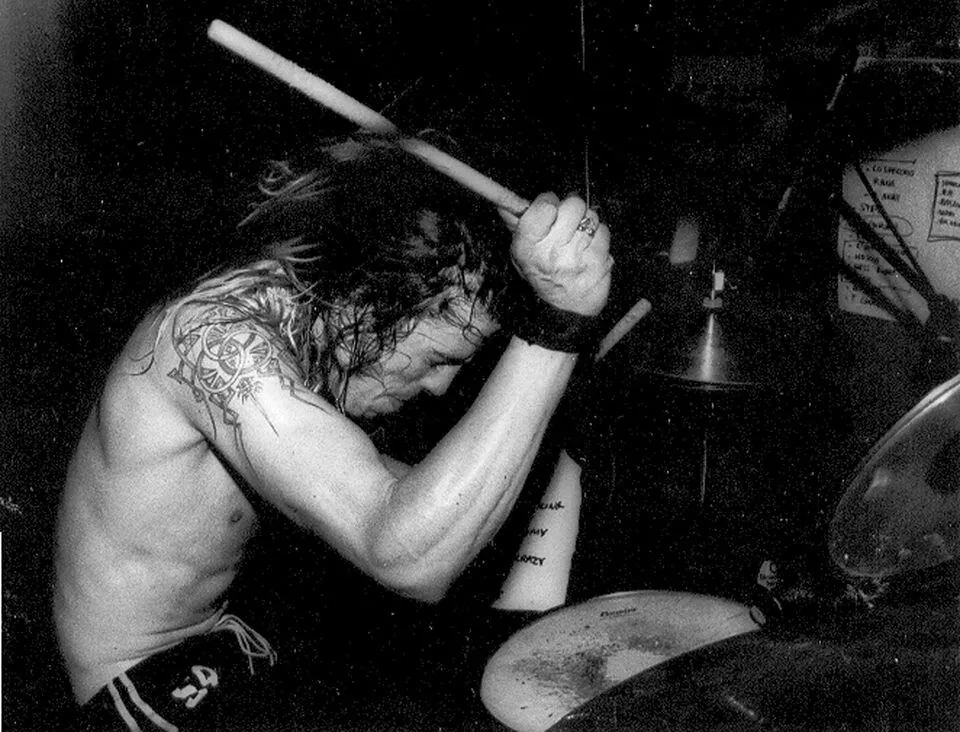
During a March 2022 appearance on The Howard Stern Show, Grohl finally pulled back the curtain on the pre-show maintenance routine keeping the engine room firing. To the surprise of absolutely no one who has tracked his high-octane career, it doesn’t involve manuka honey, lukewarm lemon water, or a specialized vocal coach hidden in the dressing room. Instead, the recipe for rock’s most resilient vocal cords involves a specific, chemical cocktail of anti-inflammatories and top-shelf booze.
“Before a show, I do three Advil, then I drink a few beers, then I have a shot of whiskey,” Grohl told Stern, painting a picture of a routine that sounds more like a Saturday night at a legendary dive bar than an elite athlete’s preparation. While most vocalists are terrified of the dehydrating effects of alcohol or the way medication can mask pain and lead to catastrophic over-exertion, Grohl has turned this unconventional trifecta into a fine art. It is a ritual that flies in the face of every piece of advice given by contemporary vocal coaches, yet it somehow keeps the Foo Fighters running at full throttle across every continent.
The Doctor’s Surprising Diagnosis
The most shocking part of Grohl’s revelation isn’t the routine itself—it’s the medical validation that followed. Grohl recounted a trip to an ear, nose, and throat specialist (ENT) to have his vocal cords checked, a standard piece of due diligence for touring musicians who spend months screaming into a Shure SM58. As the doctor threaded a tiny camera down Grohl’s throat to inspect the damage from years of headlining every major festival on the planet, the frontman expected a stern lecture about nodes, scarring, or the immediate necessity of surgery.
“He looked at them and said, ‘Your vocal cords are beautiful,’” Grohl shared with Stern. The doctor was apparently stunned by the lack of wear and tear, given Grohl’s notoriously physical, gut-wrenching vocal style. When the rock star confessed his pre-show regimen of Advil and alcohol, he waited for the medical professional to recoil in horror or reach for a prescription pad. Instead, the doctor reportedly gave him the green light to keep the party going. “He told me, ‘Whatever you’re doing, keep doing it because it’s working.’”
This “if it ain’t broke, don’t fix it” philosophy has become the backbone of Grohl’s longevity. While peers like Steven Tyler or Roger Daltrey have famously battled vocal cord hemorrhages and complicated surgeries, Grohl continues to operate with a seemingly indestructible set of pipes. He has frequently noted that he has never had a formal vocal lesson in his life. The very idea of doing traditional warm-ups—those ubiquitous “mi-mi-mi” scales performed in hushed dressing rooms worldwide—simply doesn't appeal to him. For Grohl, the beer and the whiskey aren’t just about the buzz; they provide the necessary lubrication and mental relaxation to let the rock and roll take over the nervous system.
The Physics of a Three-Hour Marathon
To understand why this medical clearance is so impressive, you have to look at the sheer physics of a modern Foo Fighters show. Since returning to the road following the tragic loss of drummer Taylor Hawkins and the subsequent release of their 2023 album But Here We Are, the band has doubled down on their intensity. With veteran drummer Josh Freese now behind the kit, the shows have remained high-energy spectacles that frequently push past the three-hour mark. Grohl’s voice isn't just a melodic tool; it’s an instrument of blunt force. Songs like “The Teacher,” a ten-minute epic from the new record, require a range of dynamics that go from a desperate whisper to a guttural, primal roar.
Social media reactions to these revelations were swift and predictably entertained. On X, fans marveled at his “built-different” genetics and the sheer resilience of his vocal cords despite his demanding schedule. The anecdote about his doctor’s approval quickly went viral, with followers expressing amazement that a medical professional would endorse such a rock-and-roll lifestyle. Many fans remarked that while most people would be sidelined by such a regimen, Grohl seems to thrive on it, continuing to scream through three-hour sets for massive stadium crowds night after night.
This defiance of conventional wisdom extends beyond his throat. Grohl has long been known for his “gorilla style” drumming, a method that requires immense physical stamina and a total disregard for joint health. Transitioning that same raw, unbridled energy to his vocals was a gamble that paid off. He treats his body less like a delicate Stradivarius and more like a vintage muscle car—it might need some high-octane fuel and a little bit of a rough start, but once it gets going, it's faster, louder, and more reliable than anything else on the road.
The Last of the Old School
There is a nostalgic charm to Grohl’s admission that resonates with fans who miss the grit of the classic rock era. In a world of pitch-correction, backing tracks, and sterile, hyper-monitored touring environments, Grohl represents a tether to the raw, unpolished energy of the 1970s and 80s. He isn't interested in the bio-hacking trends or the hyper-sanitized lifestyles that many modern artists adopt to survive the rigors of the road. His approach is rooted in the communal experience of the bar-band scene he climbed out of in the D.C. punk world.
The Dish podcast episode from September 2023, hosted by Nick Grimshaw and Michelin-starred chef Angela Hartnett, also touched on Grohl’s love for the social aspect of performing. He described the pre-show ritual as a way to get into the headspace of a celebration rather than a job. By the time he steps onto the stage, usually clutching a red Solo cup or a cold can, the transition from “Dad Dave” to “Rock God Dave” is complete. The drinking routine provides mental relaxation, while his use of Advil, as previously revealed, handles the physical toll of the performance.
During the Foo Fighters' stadium dates across the globe, including massive headlining slots at festivals like Hellfest and various stops on their 2024 Everything or Nothing at All tour, the demand on Grohl’s voice was relentless. With the band frequently rotating a setlist that pulls from eleven studio albums, Grohl’s vocal cords are arguably the hardest working muscles in rock music. If a few shots of whiskey and some over-the-counter painkillers are what it takes to keep the “Best of You” screams sounding like they did in 2005, fans aren't likely to complain—and apparently, neither is his doctor.
While the medical community at large might not be rushing to prescribe Jack Daniel's for throat health, Grohl remains the living, screaming proof that sometimes, the old-school ways are the only ways. As the Foo Fighters continue their march through the 2020s, Grohl’s “beautiful” vocal cords serve as a reminder that rock and roll is often about breaking the rules and coming out the other side stronger than ever. The house lights will go down, the Advil will kick in, and Dave Grohl will do exactly what he’s always done: scream his heart out for the front row and the back of the stadium alike.


