 THE MARQUEE
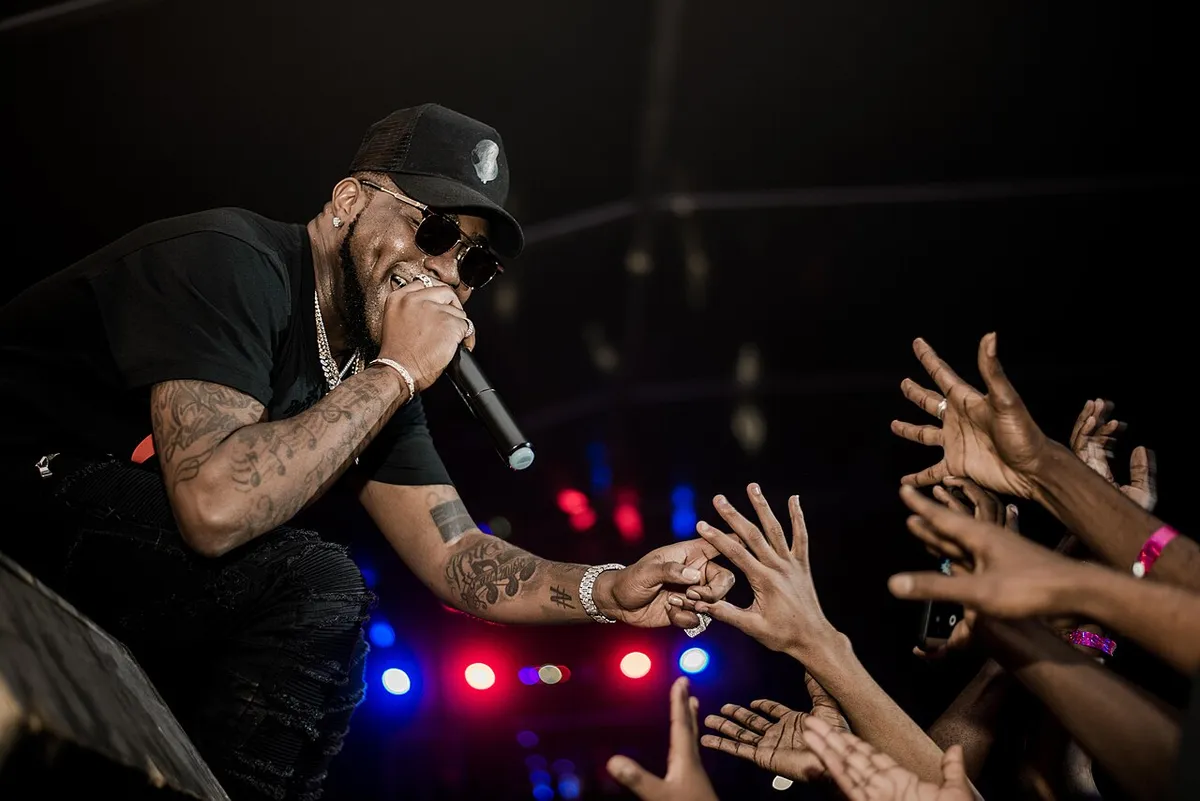
When David Adeleke leans into a microphone these days, he isn’t just hunting for the next infectious hook; he’s drafting a manifesto for an empire. For the man globally revered as Davido, the 'King of Modern Afrobeats' who turned tracks like 'Fall' and 'Unavailable' into the heartbeat of a generation, the hustle has evolved from the dance floor to the boardroom. Sitting down with host Saheed on The Long Form podcast, Davido didn't project the manic energy of a pop star chasing a trend. Instead, he radiated the quiet, terrifying focus of a grandmaster plotting his final move. The announcement was a lightning bolt: Davido intends to buy back his entire music catalog from Sony Music before he even considers putting the mic back in the stand for good.
This isn’t just a vanity project. It is a declaration of independence that echoes the revolutionary spirit of Prince and the calculated reclamation of Taylor Swift, but filtered through a distinctly Nigerian lens of legacy and dynasty. Davido isn’t looking for a bigger advance or a flashier chain; he’s hunting for total, unadulterated autonomy. While history is littered with artists who went to war with their labels, Davido’s approach is surgery, not sabotage. He was careful to note that his relationship with Sony Music and RCA Records is as rock-solid as ever, describing his current contract as "favorable"—a byproduct of the massive leverage he’s cultivated since his first global ink-up in 2016. But in the world of the 30 Billion Gang, "favorable" is just a pit stop on the way to "mine."
The Bloodline and the Bottom Line
The engine driving this billion-dollar play isn't ego—it is inheritance. Davido has always worn his heart on his sleeve when it comes to his children, Imade, Hailey, and his younger kids, but he’s now translating that affection into a fortress of assets. During the interview, he painted a vision where his discography is no longer just a collection of hits, but a multi-generational trust fund. "I want to be able to leave something for my kids that they can call their own," he said, his voice dropping an octave as he spoke of the permanence of property over the fleeting high of fame. He wants the Adeleke name to own the royalty streams and control the sync rights when his voice soundtracks a blockbuster or a commercial thirty years from now.
That hunger for ownership is hardwired into his DNA. As the son of Adedeji Adeleke, a billionaire business magnate, Davido might have chosen the stage over the skyscraper, but the instincts of the tycoon remain. He knows that while the lifestyle looks good on Instagram, the real power is buried in the "masters"—the original recordings that mint money every time a song is streamed on Spotify or licensed for Netflix. By clawing back these rights, he ensures that the wealth generated by his era-defining work, including the 2023 Grammy-nominated Timeless, stays within his family’s vault rather than padding the balance sheets of a corporate entity in New York or London.
The internet caught fire the moment the interview dropped. Fans on X (formerly Twitter) hailed the move as a masterclass in industry strategy. "Davido is playing the long game," one fan posted. "Ownership is the only way to ensure Afrobeats doesn't just become another genre exploited by the West." It’s a sentiment that hits a nerve in the Nigerian music scene, where a frantic international gold rush has left many wondering who will actually own the culture twenty years down the line.
Navigating the Sony Machine
To grasp the scale of this ambition, you have to look at the tightrope Davido has walked since 2016. His deal with Sony Music International was the pivot point that forced the American mainstream to take Afrobeats seriously, but the path wasn't always paved with gold. The early pressure to adopt a more "international" polish on the Son of Mercy EP missed the mark, but Davido corrected course with a vengeance. He returned to his roots and delivered a one-two punch with A Good Time (2019) and A Better Time (2020), cementing his status as a global powerhouse under the RCA Records umbrella.
His latest victory, Timeless, was the knockout blow. The album shattered streaming records on Apple Music and Audiomack and finally forced the Recording Academy to pay attention, earning him three Grammy nominations at the 66th Annual awards. That success has sent the value of his catalog into the stratosphere, making the buy-back price tag astronomical. Davido remains unfazed. He argued on the podcast that these conversations have to happen while you’re at the summit, not when you’re sliding down the other side.
The logistical climb is steep. Music contracts are labyrinthine traps of recoupment clauses and royalty splits. For Davido to successfully wrest his masters away, he’ll have to convince Sony—led by Chairman Rob Stringer—to part with one of their most consistent revenue generators. But Davido has already proven he can build an empire from scratch; he turned Davido Music Worldwide (DMW) into a star-making factory that launched Mayorkun and Peruzzi. He isn't asking for a seat at the table anymore; he’s looking to own the furniture.
Setting the Standard for a New Era
Davido’s move is part of a larger global awakening. From Anita Baker’s hard-won battle for her rights to Kanye West’s public contract burnings, the industry is witnessing a seismic shift toward artist empowerment. By speaking so candidly on The Long Form, Davido is essentially teaching a masterclass to the "New Wave" of Afrobeats talent. He’s sending a clear message: being signed is the beginning, not the end. The goal is the deed to the house, not just a room in the mansion.
What makes his approach so effective is the lack of bitterness. By acknowledging Sony’s role in his global ascent, he frames the buy-back as a natural evolution. It isn't a bridge-burning exercise; it’s a business transaction. He’s essentially telling the giants, "You’ve helped me show the world who I am, and now I’m ready to take my work home." This poised, professional stance sets a high bar for peers like Wizkid and Burna Boy, who are navigating their own high-altitude deals with RCA and Atlantic Records.
As the interview closed, it was evident that Davido is already living in a legacy-first headspace. He’s sold out The O2 Arena, performed at the World Cup, and stacked platinum plaques, but those are just trophies for the shelf. The real prize is the knowledge that his children's children will reap the fruit of his labor. The "OBO" (Omo Baba Olowo) moniker he once wore stood for "Son of a Wealthy Man," but Davido is rewriting the script. He is becoming the architect of a wealth that is rooted in a creative legacy no corporation can ever truly claim. The road to independence is grueling, but David Adeleke is no longer just playing the game—he's taking the board home with him.


