 THE MARQUEE
The Mediterranean sun usually owns the Croisette, but this year, it was outshined by a different kind of heat. As the 79th Cannes Film Festival shuttered its doors on May 23, 2026, the verdict from the fashion-obsessed crowd gathered at the Grand Théâtre Lumière was deafening: the red carpet has officially evolved from a marketing tool into a high-stakes arena of architectural drama and cinematic defiance. After twelve days of grueling premieres and champagne-soaked nights at the Hotel du Cap-Eden-Roc, one thing is certain—Cannes remains the only runway that actually matters.
There is a specific, crackling electricity that fills the air when a true icon decides to remind the world why they’re famous, and this year, Demi Moore provided the lightning. Moore, currently riding a career resurgence that feels like a fever dream, siphoned the oxygen from the room with a series of looks that CBC Life rightfully categorized among the festival's "10 must-see red carpet looks." She didn’t just walk the carpet; she reclaimed it. Clad in ensembles described as both extravagant and vibrant, she invoked the ghost of her own 90s superstardom but polished it with a sharp, 2026 edge. On TikTok, a clip of her arrival hit three million views in the time it takes to grab a double espresso, captioned simply: "The blueprint is still the blueprint."
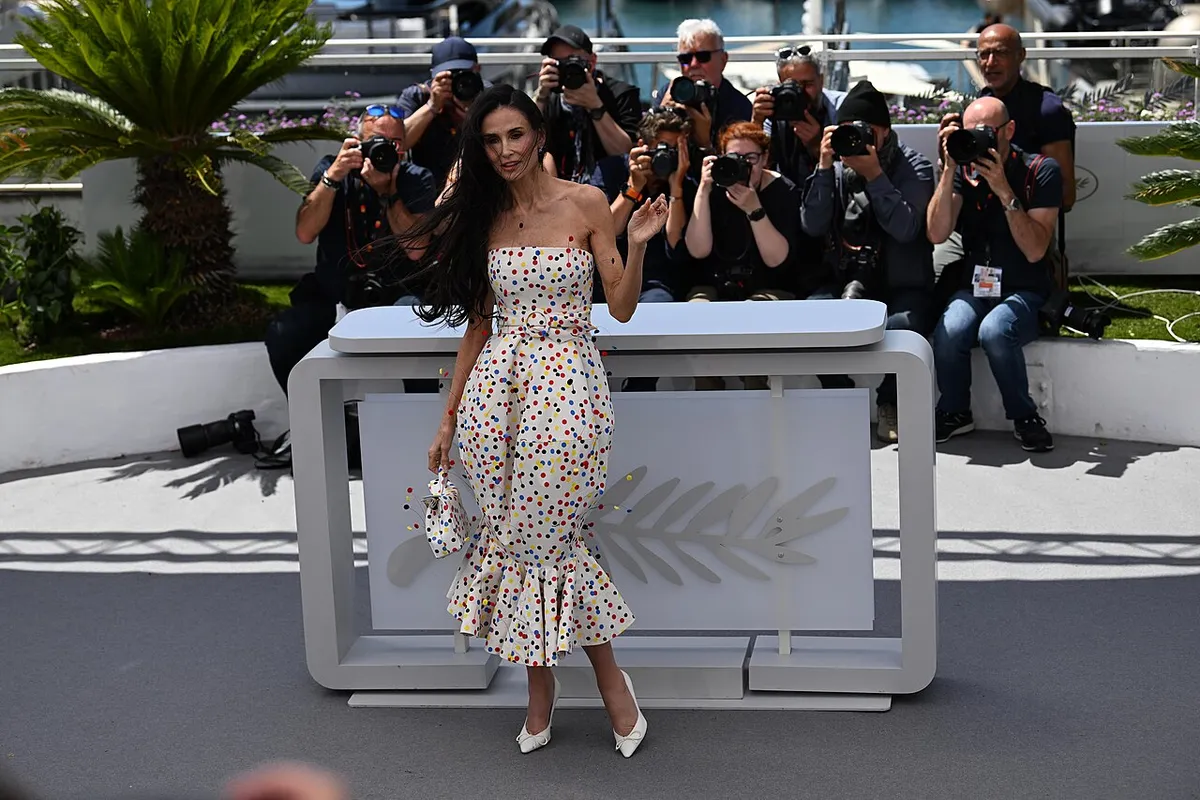
The 2026 festival felt like a collective exhale, a moment where the industry finally traded the safe, "quiet luxury" of seasons past for something far more dangerous. While the Palme d’Or is the ultimate prize for the auteurs, the sartorial gold went to those who weaponized volume and color. From the opening gala to the final trophy hand-off on May 23, the red carpet functioned as a masterclass in visual storytelling—a way to command a global audience without uttering a single syllable.
The Icon Shift: Moore’s Maximalism and Blanchett’s Precision
Moore’s presence at the 79th edition was far more than a promotional obligation; it was a high-fashion victory lap. Her wardrobe choices throughout the week leaned into saturated, unapologetic hues that practically vibrated against the crimson carpet. Industry stylists were quick to note that her embrace of "maximalist glamour" signaled a dead stop for the beige-on-beige trends of yesteryear. At the premiere of her latest project, Moore stepped out in a gown featuring intricate, shimmering textures and a silhouette that seemed to defy the very laws of physics. She brought back the kind of old-school Hollywood wattage that Cannes was built on—the kind of star power that doesn't just ask for attention, but demands it.
And then, there is Cate Blanchett. To call her a veteran feels almost disrespectful; she is the festival’s patron saint, a woman who treats a red carpet like a curated gallery space. Blanchett continued her streak of sustainability-minded fashion, often re-wearing or reimagining archival pieces with a surgical precision that made them feel brand new. Whether she was encased in a structured velvet column or draped in shimmering metallic fabric, she reminded the world that style is an internal frequency, not a price tag. As one X user put it during the closing ceremony: "Cate Blanchett doesn't follow trends; she allows trends to happen around her while she remains perfect."
The interplay between Moore’s high-voltage energy and Blanchett’s calculated, artistic authority created the festival's most compelling narrative. It showed two distinct paths to immortality: one through exuberant celebration and the other through refined, intellectual grace. Together, they ensured the "must-see" lists were packed with genuine, unmanufactured star power.
The New Guard: Taylor Russell and Chloé Zhao’s Architectural Revolution
If Moore and Blanchett are the reigning royalty, Taylor Russell and Chloé Zhao are the architects of the avant-garde future. Russell has spent the last few years as the darling of the high-fashion inner circle, but her 2026 Cannes appearances cemented her as a permanent fixture. Known for her symbiotic relationship with houses like Loewe, Russell opted for garments that were essentially wearable sculptures. Her silhouettes were a playground of experimentation—exaggerated hips, jagged cut-outs, and a manipulation of proportions that kept the international press corps in a state of constant frenzy. She doesn't just wear clothes; she inhabits art.
But the festival’s most delicious curveball came from Oscar-winning director Chloé Zhao. Historically known for an understated, almost utilitarian aesthetic—we all remember the sneakers at the Academy Awards—Zhao executed a radical pivot into "extravagant and vibrant" territory this year. CBC Life flagged her as a primary highlight, noting a seismic shift in her red carpet DNA. Zhao’s transition into high-fashion maximalism was the most talked-about transformation of the week. Seeing a filmmaker of her intellectual weight embrace the pure theatricality of Cannes was a testament to the festival's unique power to transform anyone who dares to walk those limestone steps.
The contrast was striking: Russell’s deliberate, high-concept shapes versus Zhao’s newfound obsession with vibrant color. It wasn't about looking pretty; it was about making a statement. For Russell, the garment was a sculpture; for Zhao, it was a celebration of a new creative chapter. They proved that the 2026 red carpet was a space for intellectual fashion that refused to play by the old rules.
The Colman Domingo Effect and the Death of the Boring Tuxedo
We cannot close the book on the 79th Cannes without talking about the man who has arguably become the most electrifying human on any red carpet: Colman Domingo. In 2026, Domingo didn't just join the conversation; he took the microphone and started the party. His sartorial path has moved lightyears beyond the standard black tuxedo. At Cannes, he unveiled a rotation of tailoring that utilized bold patterns, silk brocades, and accessories that felt like they were pulled from a futuristic time capsule.
Domingo’s genius lies in his ability to blend traditional masculine strength with a flamboyant, infectious creativity. His appearances were shot through with a sense of pure joy—a rarity in the high-pressure vacuum of a major festival. When he arrived for his film’s screening, the roar from the fans behind the barricades was physical. He engages with the audience through his wardrobe, using fashion as an extension of his performance art. CBC Life including him in their "must-see" list was more than a compliment; it was a recognition that menswear is undergoing a radical, irreversible, and much-needed transformation.
As the sun dipped below the horizon on May 23 and the stars vanished into the Palais for the final time, the impact of these ten days felt permanent. The 79th Cannes Film Festival wasn't just a win for the silver screen; it was a triumph for the dreamers, the stylists, and the icons who view the red carpet as their most vital canvas. The looks pioneered by Moore, Zhao, Russell, and Domingo will be pinned to mood boards for decades. The Croisette has a way of making fashion feel immortal, and this year, that immortality was painted in the most vibrant colors imaginable. The 80th anniversary next year has some massive shoes—and custom-made heels—to fill.

