 THE MARQUEE
The era of the indie-folk underdog is officially dead, buried under the weight of a historic 389,000-unit mountain. Noah Kahan hasn’t just ascended the throne; he’s essentially terraformed the entire landscape of 2026 rock music in his own image. The Great Divide didn't just land at No. 1 on the Billboard 200—it crashed into the summit with the kind of velocity usually reserved for pop titans, marking the first-ever chart-topping trip for the Strafford, Vermont, native.
The math behind Kahan’s dominance is staggering. For the week ending April 30, Kahan moved enough units to secure the largest single week for any rock album in over a decade. You have to look back to late 2014—a time before streaming was the industry's primary heartbeat—to find a rock record with this much sheer gravitational pull. For an artist who became the unofficial poet laureate of small-town claustrophobia and "Stick Season" melancholia, the scale of this win feels almost spiritual. It’s the third-biggest week of 2026 for any artist, full stop. Kahan is no longer playing the "local boy made good" role; he’s trading blows with the industry's heaviest hitters while keeping the earthy, unwashed grit of a dive-bar regular.
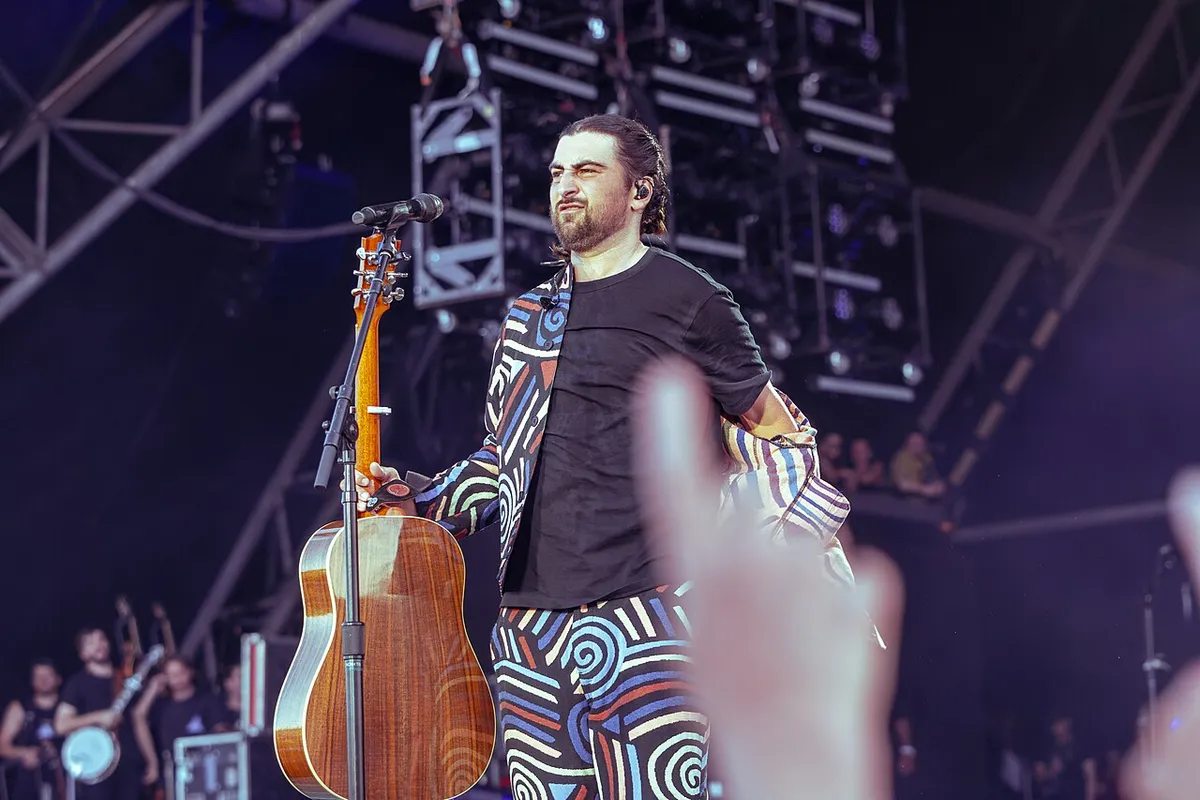
The New Architect of the Rock Renaissance
Industry circles are reeling because Kahan cracked a code that has baffled stadium-sized veterans for years: he unified the fractured, hyper-niche audiences of the streaming age into one singular, roaring mass. Over on the ATRL forums, the chart-watchers are calling it—Kahan is now breathing the rarefied air of legacy giants like AC/DC or Foo Fighters in their absolute commercial primes. By clearing nearly 400,000 units in seven days, he has definitively proven that the "rock" tag isn't a limitation; it’s a weapon. The Great Divide dominated the cultural conversation not through polished perfection, but through a brutal, soul-baring honesty and production that oscillates between stadium-filling thunder and haunting, bedroom-folk intimacy.
Republic Records went all-in on the "Noah Kahan Season" branding, a gamble that looked ambitious during his Stick Season rise but looks like a stroke of genius today. While his previous work laid the bricks, The Great Divide is the finished skyscraper. The success stems from Kahan’s uncanny ability to sell a premium physical artifact to collectors while simultaneously haunting the digital airwaves. Billboard analysts are pointing to this hybrid dominance as the blueprint for the next decade of superstar development, noting that the sheer volume of units moved this week is a direct result of Kahan owning both the tactile and the virtual markets.
Vinyl Fever and the Streaming Surge
The most startling revelation in the data is Kahan’s sheer versatility across every format. The Great Divide didn't just top the charts; it claimed the biggest streaming week of 2026 for any album in any genre. At a time when the Spotify Top 50 is usually a playground for pop and hip-hop, Kahan’s banjo-flecked anthems have become the mandatory soundtrack for Gen Z TikTokers and millennial nostalgics alike. On r/popculturechat, the consensus is clear: the album is an "all-killer-no-filler" odyssey, a rare body of work that demands to be heard in full rather than chopped into playlists.
But while the streams are pouring out of every phone in America, the physical sales are where Kahan is truly showing his teeth. The Great Divide has officially secured the largest vinyl sales week for a rock album in the modern era. We aren't seeing a legacy-led vinyl revival here; we’re seeing a 29-year-old with a self-deprecating wit and a penchant for flannel shirts lead a physical media revolution. Limited-edition variants disappeared in heartbeats, leaving fans on the r/NoahKahan subreddit to swap stories of "Great Divide" hauls like rare treasures. "I bought three different colors because this album feels like a piece of history," one fan remarked. "We’ve been waiting for Noah to get his No. 1, and seeing him do it with this much muscle is insane."
This isn't just about plastic and cardboard, though. Kahan treats his physical releases like sacred relics, often packing them with handwritten notes and sketches that bridge the gap between artist and audience. In a world of disposable 15-second clips, he has made music feel heavy again—both emotionally and physically. The 389,000 units are a collision of 2026’s high-speed tech habits and a classic 1970s obsession with the LP as a total work of art.
A Global Anthem Rooted in Vermont Mud
The narrative of the "Stick Season" kid is officially retired. With the year's biggest streaming week and a decade-defining debut, Noah Kahan is the new gold standard. The songs on The Great Divide dig into the marrow of sobriety, the disorienting weight of sudden fame, and the literal miles between a Vermont porch and a world-class stage. The reaction has been visceral. One viral post on X (formerly Twitter) put it best: "Noah Kahan didn't just drop an album; he dropped a therapy session that cost 389,000 of us our emotional stability this week."
What makes this No. 1 so vital is that Kahan hasn't sanded down his edges to fit the mold. He’s still singing about New England winters and the specific ache of being left behind, but now the whole world is singing back. The "Great Divide" isn’t just a title; it’s the gap he’s bridged between the insular world of indie-folk and the hallowed halls of the rock pantheon. As April 30 faded into the history books, it became clear: this isn’t just a peak. It’s a new plateau. With a massive summer tour looming and his face at the top of the mountain, Kahan’s momentum is an unstoppable force. The numbers are historic, but the connection is human. The road from Strafford was long, muddy, and steep—but Noah Kahan is at the top now, and he’s brought an entire generation of rock fans up there with him.


