 THE MARQUEE
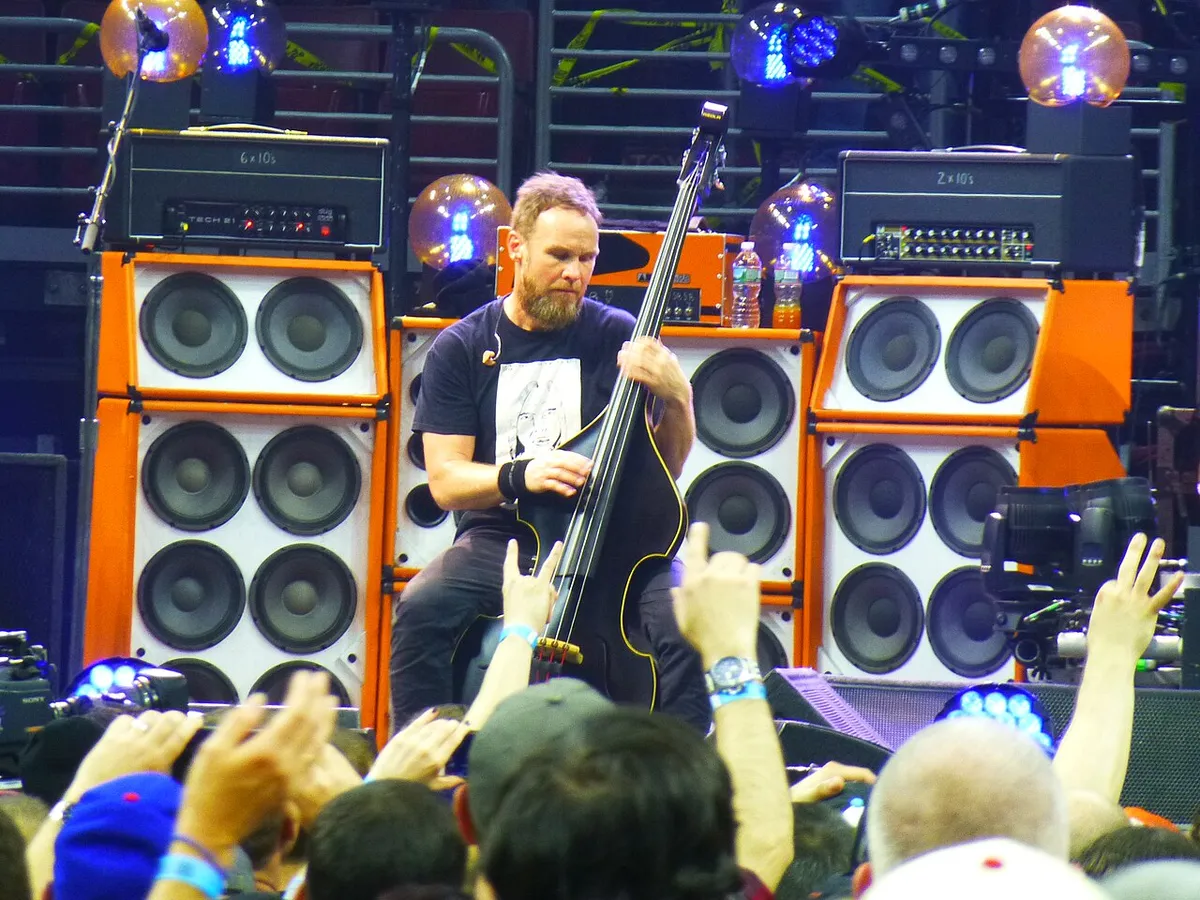
On any given night this spring, Jeff Ament is the tectonic plates beneath Pearl Jam’s stadium roar, grounding the band’s lightning-bolt anthems with a low-end that rattles teeth in the nosebleed seats. But this Sunday, June 9, the Rock and Roll Hall of Fame bassist is trading the dizzying Jumbotrons of the Dark Matter world tour for the flickering, hushed intimacy of a Manhattan cinema. Ament is descending upon the Tribeca Festival for the world premiere of Paving the Way, a short documentary that serves as a deeply personal manifesto for a musician who has spent four decades championing the fringes.
Directed by Keelan Williams, Paving the Way is far removed from the glossy, self-indulgent vanity projects that often clutter the rock-star filmography. There are no grainy montages of tour bus debauchery or backstage ego-trips here. Instead, the film offers a vibrant, urgent lens into how skateboarding is quietly revolutionizing life within Indigenous communities. At its center is the magnetic Alishon Kelly, an Indigenous skater and artist whose journey provides the film's pulse. For Ament, who composed the film’s atmospheric original score and served as executive producer, the project is the cinematic collision of a lifelong obsession that began in the dirt long before he ever plugged in a bass in a Seattle basement.
The Montana Pool Service: More Than Just Plywood
To understand why one of the world’s most famous rock stars is spending his precious tour downtime at a New York film festival, you have to look at the dust and isolation of Big Sandy, Montana. Ament grew up in a town so microscopic it barely registered on the map, and he frequently credits the four wheels of a skateboard with providing the mental armor needed to survive the lean, pre-grunge years. While Pearl Jam was conquering the global charts in the 1990s, Ament was quietly pouring his stadium-sized resources back into the ground—literally. He founded Montana Pool Service, a passion project that builds world-class, high-performance skate parks in rural and underserved pockets of the map.
The most profound impact of this work is etched into the landscape of Native American reservations. Ament has spent years in the trenches with tribal leaders and local youth, funding and constructing sprawling concrete sanctuaries in places like the Pine Ridge Reservation in South Dakota and the Blackfeet Nation in Montana. These aren't just patches of asphalt with a few rusted rails; they are state-of-the-art concrete bowls that would make a professional in Venice Beach jealous. Ament speaks of the "pure freedom" of the board, arguing that in environments where resources are stripped away and the suicide rate among young people is a haunting crisis, a skate park is more than a playground—it’s a cathedral of self-expression and physical survival.
“There’s a direct line between the resilience you need to land a trick and the resilience you need to navigate life,” Ament has shared with fans during discussions about his philanthropic footprint. Paving the Way takes that philosophy and gives it a face through Alishon Kelly. The film captures the raw, kinetic energy of the Indigenous skate scene, showing how Kelly and her peers are reclaiming their own narratives and carving out a sense of belonging on the concrete. The visuals are striking, pitting the stark, expansive beauty of the landscape against the fluid, rhythmic motion of the skaters.
Sonic Architecture and the Rhythm of the Street
While Ament is legendary for the thunderous grooves that anchor Pearl Jam staples like "Jeremy" and "Rearviewmirror," his work on the Paving the Way score reveals a more nuanced, experimental side of his musical DNA. Those who have dipped into his solo catalog—specifically 2021’s I Should Be Outside—know that Ament is a master of atmospheric textures. For this documentary, he leaned into that versatility, crafting a soundscape that echoes the rhythmic clatter of polyurethane on pavement and the haunting, expansive silence of the Montana plains.
Director Keelan Williams has avoided the typical tropes of "charity" storytelling, delivering a film that feels like an immersion rather than a lecture. By centering Alishon Kelly’s artistic and athletic evolution, the film treats the Indigenous skating community with a reverence that has been historically absent from the mainstream X-Games narrative. When the film debuts this Sunday as part of Tribeca’s “Shorts: Common Ground” program, it will introduce a global audience to a side of Indigenous life defined by radical independence, joy, and creative fire.
The timing of the premiere is a testament to Ament’s relentless motor. Pearl Jam is currently in the thick of a massive global trek supporting their 12th studio album, Dark Matter, which has been hailed as some of their most vital work in decades. The band just finished a run of high-octane shows at the Kia Forum in Los Angeles and the MGM Grand Garden Arena in Las Vegas. For Ament to pivot from the sheer scale of those arenas to the granular storytelling of this short film underscores his belief that art is a singular, continuous thread. He isn't just a rock star with a hobby; he is a veteran of the culture who sees the skate park and the stage as one and the same.
A Legacy Written in Concrete
The anticipation for the Tribeca screening is already surging through the Pearl Jam “Ten Club” community. Social media feeds are buzzing with fans trekking to Manhattan for the premiere, eager to witness the latest chapter of Ament’s creative journey. On Instagram and X, the stories have been pouring in from fans whose own towns were revitalized by Montana Pool Service parks. As one fan aptly put it, "Jeff doesn't just write checks; he shows up, he skates with the kids, and he listens. This film is the soul of that work."
The festival, founded by Robert De Niro and Jane Rosenthal, has a storied reputation for elevating films that bridge the chasm between art and social change. Paving the Way is a perfect fit for that mission. By bringing the story of Alishon Kelly to one of the world's most prestigious stages, Ament and Williams are ensuring that the grit and grace of Indigenous skaters are finally visible. As the lights dim in New York this Sunday, Jeff Ament will be there in the darkness, watching a different kind of magic unfold—one built on concrete, community, and the stubborn courage to keep rolling forward.
Following the Tribeca debut, the film is expected to hit the festival circuit, carrying this vital story to even more screens throughout the year. For the kids at Pine Ridge and the skaters across Montana, seeing their world reflected back with such care and artistry is a victory that transcends the silver screen. In the end, Ament’s greatest legacy might not be the platinum records on his wall, but the scars and successes of the kids currently dropping into the bowls he helped build.


