 THE MARQUEE
The two-word Instagram post that nearly broke the internet in March 2024 wasn’t a white flag; it was a tactical retreat. When Lizzo typed “I QUIT” into the digital void, the world assumed the queen of radical self-love had finally been crushed under the weight of a grueling lawsuit and the relentless churn of the social media meat grinder. But Melissa Viviane Jefferson doesn’t do quiet exits. Instead of walking away from the stage, she was walking away from a narrative she no longer controlled. Now, she is surfacing from the wreckage with a new record teased as B.I.T.C.H.—a project that isn’t just an album, but a scorched-earth manifesto.
The distance between the flute-playing, sun-drenched euphoria of 2022’s Special era and the jagged, defensive posture of 2024 represents the most seismic shift in modern pop history. During a raw sit-down with The Today Show and a series of high-voltage social media teases, Lizzo has signaled that her upcoming music is a direct counter-offensive against the “bad guy” archetype the public has spent the last year projecting onto her. By framing the project as B.I.T.C.H., she is doing more than reclaiming a slur—she is weaponizing it. This is a high-stakes pivot designed to drag the conversation out of the Los Angeles Superior Court and back onto the Billboard charts where she feels she belongs.
The Glitter and the Glass: A Brand Under Fire
To grasp the sheer heat radiating from this new music, you have to look back at August 1, 2023—the day the sparkle on the “Big Grrrls” empire began to dim. When three of Lizzo’s former backup dancers—Arianna Davis, Crystal Williams, and Noelle Rodriguez—filed a 44-page lawsuit, the industry didn’t just gasp; it recoiled. The allegations were a jarring departure from Lizzo’s brand of inclusive empowerment: sexual harassment, religious and racial discrimination, and a toxic, hostile work environment. For a star who built a career on the back of “About Damn Time” and the promise of a safe space for all bodies, the claim that she allegedly pressured dancers to engage with nude performers in Amsterdam’s Red Light District felt like a fundamental betrayal to her core fan base.
The legal firestorm, spearheaded by the dancers’ attorney Ron Zambrano, didn’t stop at the Amsterdam incident. It pierced the veil of her public persona, alleging “thinly veiled” fat-shaming—a charge Lizzo has fought tooth and nail, labeling the accusations “sensationalized” and “gut-wrenching.” While a judge in February 2024 tossed out some portions of the lawsuit under anti-SLAPP statutes, the heavy lifting of the sexual harassment claims is still grinding through the legal system. This shadow has followed her into every studio session, transforming what used to be a playground of joy into a fortress of defense. Lizzo has been candid with her followers: the tracks on the B.I.T.C.H. project are the only place where she can scream her truth without a legal team vetting every comma.
It’s a stark, cinematic contrast: the woman who stood on the Grammy stage in 2023 to accept Record of the Year for being “way too fine” is now navigating a world where her very character is the lead story on the nightly news.
The Physical Evolution and the New Philosophy
While the lawyers trade barbs in chambers, Lizzo has been undergoing a physical metamorphosis that has set the internet ablaze for entirely different reasons. Over the last ten months, she has chronicled a dramatic weight loss journey across Instagram and TikTok. For a global icon who became the face of the body-neutrality movement, the change has been a Rorschach test for her audience. While many have applauded her dedication to fitness and mental clarity, a vocal contingency of fans feels abandoned, fearing she is pivoting toward the very beauty standards she once disrupted.
Lizzo isn’t interested in the debate. She has been quick to remind the world that her body is not a public democracy. In her latest media appearances, she has framed her fitness journey as a vital component of her mental health recovery. That physical grit is bleeding into her professional resolve. Back in the studio with her long-time collaborators, the reports suggest a sound that swaps “bop-heavy” hooks for something “lyrically dense” and emotionally raw. She isn’t just singing; she’s purging the toll of a year spent under siege.
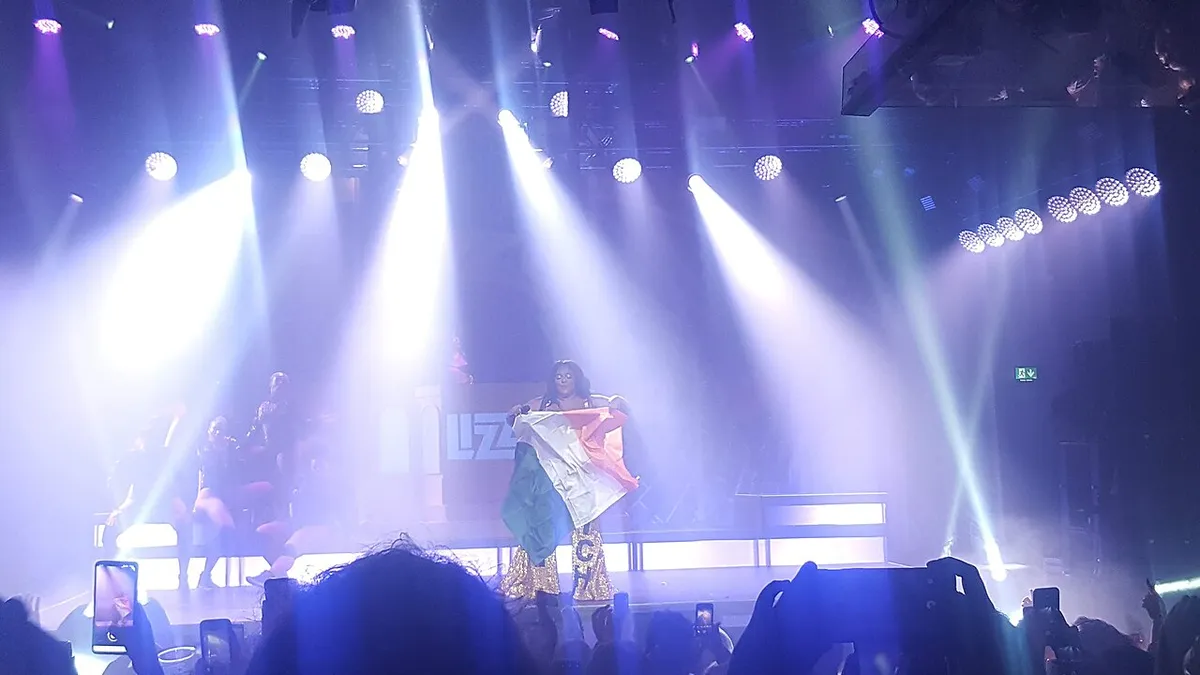
The industry is watching, and the data suggests she isn't going anywhere. When she took the stage at the Blue Note Jazz Club earlier this year, the response was a massive, electric roar—a litmus test that proved while the internet might be divided, the ticket-buying public is still hungry for her brand of spectacle. These performances followed the launch of the B.I.T.C.H. era via a teaser on May 29, a reminder that Lizzo remains a titan on the stage even when she’s a lightning rod in the press.
Choosing B.I.T.C.H. as a potential title is a high-wire act, but it’s a move that feels quintessentially Jefferson. Just as she took the flute—an instrument often dismissed as a high school band relic—and turned it into a symbol of hip-hop swagger, she is now reclaiming a pejorative and using it as a shield. Sources close to the project suggest the lyrics dive deep into the double standards reserved for successful Black women. If you stand your ground, you’re a “bitch.” If you protect your business, you’re a “bitch.” Lizzo’s response? Fine. Call me that.
The celebrity ecosystem is slowly realigning around her. While the legal allegations caused a temporary chill—even leading to a brief, public distancing from former allies—the tide is turning as Lizzo grabs the microphone to tell her side. She’s no longer playing the victim of a cancel-culture cycle; she’s playing the survivor of a trial by fire. The new album promises to dissect the toxicity of social media and the necessity of self-preservation. As she readies the first single, the message is singular and loud: Melissa is back, and she’s finished apologizing for taking up space. The B.I.T.C.H. era isn’t just about the music; it’s about an artist who decided the only way out of the storm was to walk right through the eye of it, flute in hand and head held high.


