 THE MARQUEE
Michael Stipe doesn’t merely walk onto a stage; he haunts it with a specific, curated grace. When he materialized under the klieg lights of the Ed Sullivan Theater on April 23, 2026, the air in the room shifted, vibrating with the kind of collective intake of breath usually reserved for religious apparitions or long-lost legends. Since R.E.M. orchestrated the cleanest, most dignified breakup in rock history back in 2011, Stipe has been the industry’s most tantalizing ghost—a man who helped build the blueprint for alternative music only to vanish into a forest of sculpture, photography, and the occasional cryptic digital transmission. But on The Late Show with Stephen Colbert, the enigma finally caught fire, revealing a concrete, shimmering reality: Michael Stipe is back, and he is finally ready to claim his solo crown.
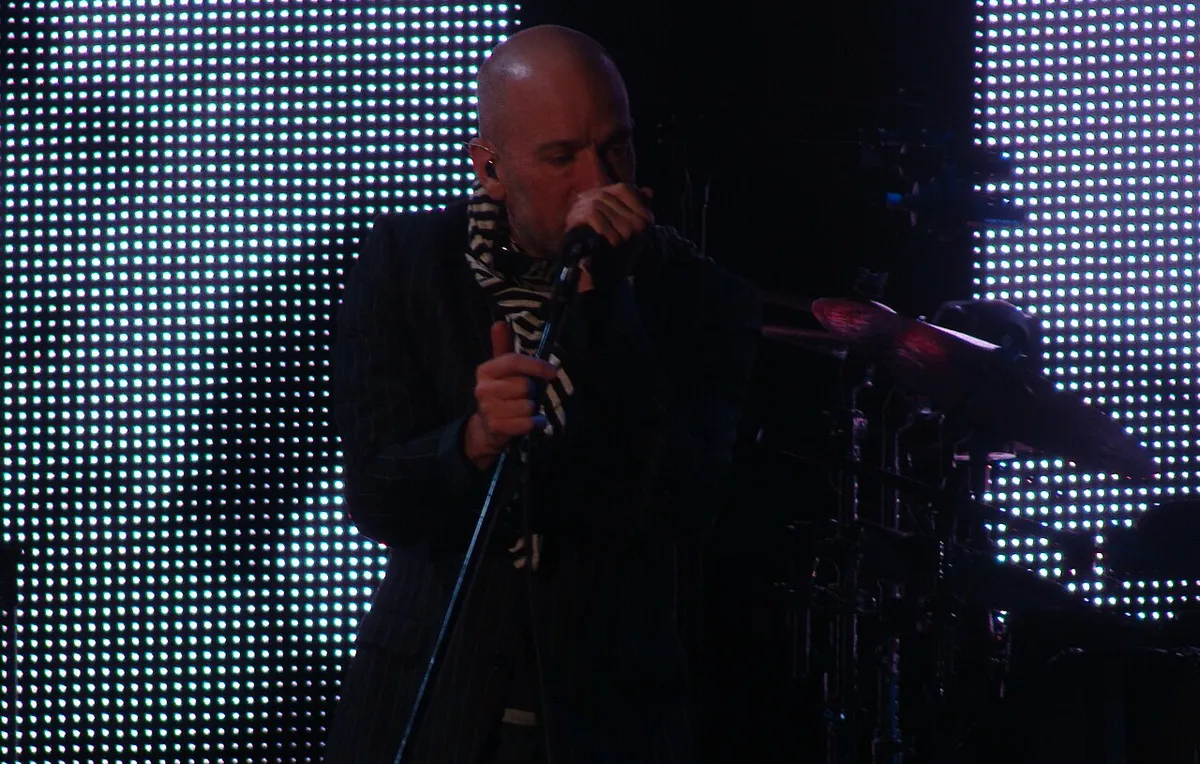
Performing his new single, "The Rest of Ever," Stipe looked every inch the avant-garde elder statesman. His presence was as commanding and idiosyncratic as it was during the peak Automatic for the People era, yet there was a new, crystalline clarity to his delivery. Backed by Louis Cato and the virtuosic Late Show Band, the performance was a masterclass in tension and release. The track itself is a gorgeous, mid-tempo fever dream—simultaneously modern and deeply haunted by Stipe’s unmistakable melodic DNA. This wasn't some dusty, nostalgic retread of his Athens, Georgia, origins. Instead, it felt like the work of an artist who spent fifteen years in a silent retreat, observing the collapsing world, and finally decided he had something essential to whisper back into the microphone.
The Bio-Sonification of a Legend: Trees and Modern Laments
The music was only half the story. Sitting down with Stephen Colbert after the final notes trailed off, Stipe shed his usual sphinx-like guardedness to pull back the curtain on a record slated for release in late 2026. The wait for this project has become the stuff of indie-rock myth—fans have been feverishly tracking studio rumors since 2019—but Stipe explained that the delay wasn't about hesitation; it was about transformation. He described a project that is fiercely experimental, a sonic middle finger to anyone expecting a "Losing My Religion" sequel or a comfortable lap of honor. This is Michael Stipe at his most untethered, chasing sounds that exist on the fringes of the natural world.
The conversation took a turn for the surreal when Stipe revealed the unconventional guest stars on the record. He told a visibly floored Colbert that one standout track was literally composed from the internal rhythms of a tree. By using bio-sonification technology to translate the electrical impulses and vibrations of a living tree into MIDI data, Stipe has engineered a soundscape where the digital and the botanical collide. "The tree is the lead singer on that one," Stipe said with a wry smile, though his eyes sparkled with genuine reverence. It’s a move that feels perfectly aligned with his lifelong environmental crusade and his recent collaborations with Pathway to Paris—turning the pulse of the planet into a pop hook.
But the "singing tree" is just the beginning. Stipe also confirmed the album includes a sea shanty, though don't expect a TikTok-friendly singalong. He described the piece as a "modern maritime lament," a ghostly bridge between ancient folk tradition and the cold, electronic textures that have defined his scattered solo output over the last few years. This experimental streak proves that Stipe is working in a vacuum of his own making, completely unbothered by Top 40 trends or streaming algorithms. He is focused on the tactile, the weird, and the wonderful, proving that after four decades, he still knows how to surprise us.
From Athens to the Avant-Garde
To grasp the gravity of this moment, you have to remember how rare this kind of integrity is in the modern music machine. When R.E.M. pulled the plug in 2011, they didn't do it for the headlines or a messy divorce; they just finished the sentence and closed the book. While Peter Buck has stayed busy with a relentless stream of collaborative projects, Stipe has been the holdout, the one who refused to rush back to the spotlight. His rare solo offerings—like 2019’s "Your Capricious Soul" and 2020’s "Drive to the Ocean"—felt like postcards from a man who was happy living in the margins, with proceeds quietly flowing to climate change organizations.
The road to this debut has been a painstaking, slow-motion collaboration with long-time producer Andy LeMaster. Stipe’s process is famously meticulous, bordering on obsessive. For years, the R.E.M. faithful on Reddit and X (formerly Twitter) have analyzed every grainy photo of a modular synth or a studio mixing board posted to his Instagram like they were decoding the Dead Sea Scrolls. The explosion of interest following the Colbert appearance was proof that the hunger hasn't faded. Within an hour of the performance hitting YouTube, #MichaelStipeSolo was trending globally, with fans noting that hearing that voice in a fresh context felt like a core memory being unlocked in real-time. He might have once sung about being "out of time," but Stipe has found a way to remain perpetually essential by simply refusing to move at anyone's pace but his own.
The New Standard: No Reunions, Only Evolutions
The live version of "The Rest of Ever" served as a vivid blueprint for the album’s high-def production. The track pulses with a gritty, distorted drum loop that provides a sharp, industrial edge to Stipe’s honey-and-granite vocals. When Colbert pressed him on the lyrical weight of the title, Stipe hinted at a preoccupation with legacy and the disorienting realization that the future we once feared is already standing in the room. It’s a theme that has hummed through his work since Document, but here it feels stripped of the abstract metaphors of his youth. It is direct, raw, and startlingly vulnerable.
Perhaps most exciting is the collaborative spirit Stipe is channeling. While this is a solo debut, he has surrounded himself with a rotating cast of sonic architects to ensure the music stays unpredictable. He spoke with deep affection about his time in the studio with LeMaster, noting that the absence of a permanent band allowed him the freedom to treat every song as a standalone installation. The currently untitled album represents a total immersion into his own creative impulses, free from the democratic friction of a four-piece rock unit. This isn't a replacement for R.E.M.; it's an evolution into something entirely different.
As the Colbert segment reached its crescendo, Stipe appeared genuinely moved by the thunderous standing ovation from the New York crowd. He has spent nearly fifteen years promising that R.E.M. would never reunite, a promise he has kept with a level of resolve that is practically unheard of in an era of endless nostalgia tours. By the time the house band’s outro faded into the commercial break, the message was undeniable: the wait is over. If the sound of a singing tree and a modern maritime lament are any indication, the final months of 2026 are going to be the most sonically adventurous of Michael Stipe’s legendary career. The countdown to the most anticipated debut in modern music history has officially begun.


