 THE MARQUEE
Tokyo doesn’t just host film festivals; it incubates the next iteration of the human experience. On May 25, 2026, the neon-drenched corridors of MoN Takanawa: The Museum of Narratives (a new experimental museum designed by Kengo Kuma inside Takanawa Gateway City) became ground zero for a creative explosion as the Short Shorts Film Festival & Asia (SSFF & ASIA) officially plugged in, transforming the city’s high-fashion districts into a sprawling, digital-forward playground for the world’s most restless storytellers. For the next two weeks, the traditional rulebook of filmmaking is being shredded in favor of a theme that has every power player from Hollywood to Seoul buzzing: "Cinema Engineering."
Wander through the lobby of the main venue and you’ll realize this isn't your grandfather's indie circuit. You aren't just looking at posters for gritty dramas; you’re witnessing the high-velocity intersection of silicon and soul. Festival founder Tetsuya Bessho—the charismatic actor who willed this venture into existence back in 1999—stood before a standing-room-only opening ceremony today, radiating the energy of a tech titan launching a paradigm-shifting OS. He spoke with a kinetic intensity about how the very definition of a "movie" is morphing in real-time. The 2026 lineup isn’t merely about watching a screen; it’s an immersive deep-dive into how technology—specifically Generative AI and vertical formatting—is fundamentally rewriting the DNA of the moving image.
This year’s festival is a massive, high-stakes undertaking, showcasing approximately 250 films curated from a staggering mountain of international submissions. The atmosphere is electric, charged with the same high-stakes adrenaline you’d find on the Croisette or in the mountains of Park City. As one of the few festivals in Asia with the prestigious power to qualify winners for the Academy Awards, every screening feels like a playoff game. When the lights dimmed for the opening block, the audience wasn't just watching a film; they were witness to a global cultural pivot. From the sleek, architectural theaters of WITH HARAJUKU HALL and LIFORK HARAJUKU to the indie-cool, cigarette-and-espresso vibe of EuroLive in Shibuya, Tokyo has become the undisputed epicenter of the short-form universe.
The 9:16 Revolution: Vertical Cinema Claims the Throne
If you still think vertical video is the exclusive domain of 15-second dance trends and mindless cooking hacks, Short Shorts 2026 is here to shatter that illusion. One of the most seismic shifts this year is the massive expansion of the Vertical Short Film Competition. In a landscape where audiences are devouring content on mobile devices, the festival has leaned aggressively into the 9:16 aspect ratio, challenging directors to find depth and cinematic grandeur within the narrow, towering confines of a smartphone screen.
The experience is nothing short of radical. Seeing a masterfully lit, high-budget vertical epic projected onto a massive screen in Tokyo’s Akasaka Intercity Conference is a jarring, thrilling subversion of everything we know about composition. Directors are utilizing that vertical height to emphasize crushing isolation, soaring cityscapes, and intimate close-ups that feel almost dangerously personal. Fans at the venue were overheard in heated debates about whether this marks the sunset of the traditional wide-angle era. One young filmmaker in the crowd, eyes glued to the program, summed up the mood perfectly: "We aren't looking through a window anymore; we're looking through a mirror. Vertical is how we actually see our lives now."
That engineering spirit extends far beyond the shape of the frame. This year’s focus on AI-enhanced storytelling explores the very guts of production, where creators are using machine learning to assist in everything from nuanced color grading to real-time script adaptation. The festival has curated workshops and panels that lean directly into the fire of controversy, inviting filmmakers to demonstrate how they’ve harnessed AI as a sophisticated collaborative tool rather than a cold replacement for human spark. It’s a gutsy stance in a year where the industry is still grappling with the ethics of automated art, but SSFF & ASIA has always been about looking forward, never backward.
The Golden Ticket: Hunting the George Lucas Award
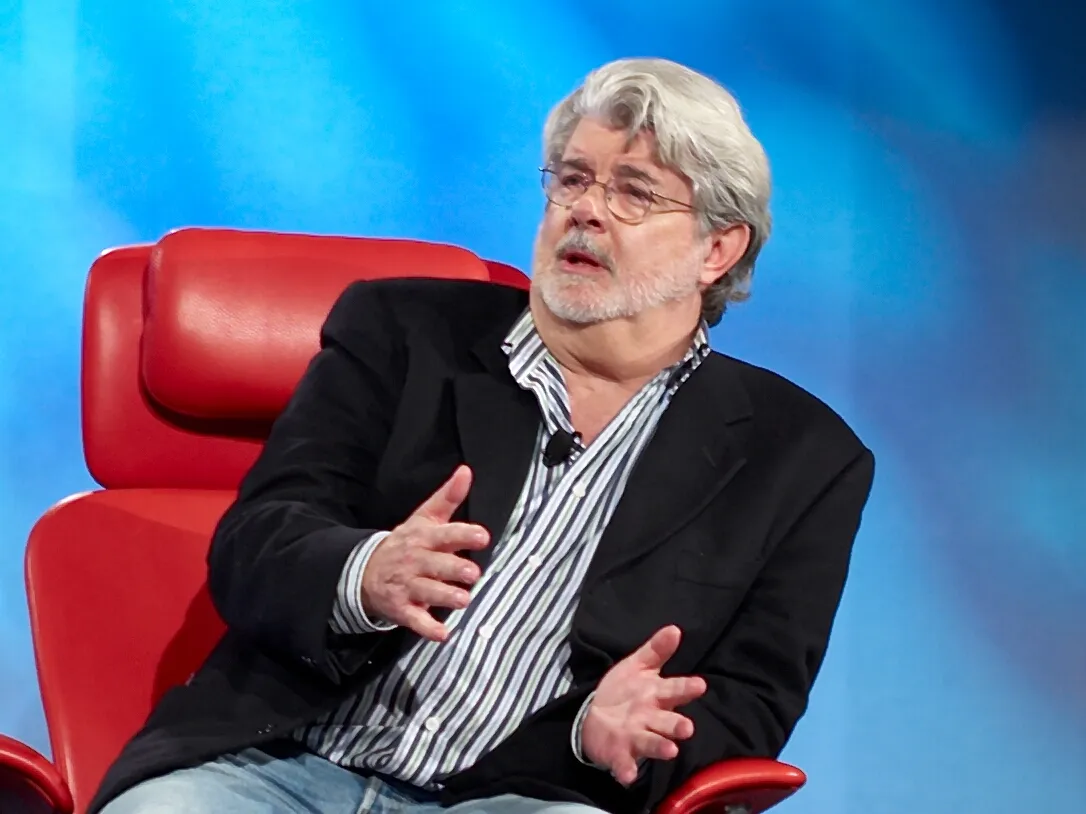
While the tech is dazzling, the raw heartbeat of the festival remains the prestige of the competition. The holy grail here is the George Lucas Award, named after the Star Wars visionary and long-time champion of the event. The Grand Prix winner doesn't just walk home with a trophy; they secure a literal golden ticket—a formal recommendation for a nomination at the next Academy Awards. This direct pipeline to the Oscars has turned Tokyo into a high-octane scouting ground for heavyweights like Sony Pictures and Toho.
The sheer breadth of diversity on display is staggering. The program is meticulously divided into the International Competition, the Asia International Competition, and the Japan Competition. Beyond the core categories, the festival shines a spotlight on animation, non-fiction, and "Branded Shorts"—the latter featuring high-concept films produced by major corporations that feel more like prestige cinema than commercial content. Social media is already a bonfire of early favorites. On X, the hashtag #SSFF2026 is trending across Japan, with fans championing a heart-wrenching 12-minute Japanese drama about aging in a digital vacuum and a breathtaking animated short from France that reportedly used AI to meticulously mimic the brushstrokes of 19th-century masters.
For those unable to navigate the physical crowds in Tokyo, the festival is doubling down on its digital accessibility. The online screenings launched in tandem with the physical event and are set to run until June 30, 2026. This extended digital window allows cinephiles from London to Los Angeles to join the evolution in real-time. It’s a brilliant move that mirrors the festival’s tech-first ethos—if the stories are changing, the way we consume them has to keep pace.
As day one fades and the neon glow of Shibuya begins to pulse, there’s a collective realization that Short Shorts 2026 is doing more than just showing movies. It’s acting as a global laboratory. Between the VR installations, the AI seminars, and the world-class dramas, the festival is proving that the future of cinema isn't just about bigger screens or higher resolutions—it’s about the engineering of entirely new ways to make us feel. The festival continues in person until June 10, but the ripple effects of these 250 films will be felt all the way to the red carpet next spring.

