 THE MARQUEE
Once upon a time, the luxury rap cinematic universe belonged to Rick Ross and Drake, a pair of titans who defined the era of fur-lined coats, private jets, and verses that smelled like new money. For over a decade, the duo acted as the gold standard for high-stakes synergy—a partnership that gifted the culture some of the most enduring anthems of the streaming age. But if anyone was holding out hope that the two moguls might finally sit down at a mahogany table to hash out their differences over a chilled bottle of Luc Belaire, the Biggest Boss just dumped a very cold bucket of water on that dream.
During a recent run-in caught on camera by TMZ, Rick Ross didn't just dismiss the idea of a reconciliation with the 6ix God; he found the very notion hysterical. When pressed about the swirling rumors of a potential peace summit between the two camps, Ross flashed that signature, diamond-toothed smirk before calling the talk "laughable." It was a sharp-edged, definitive response, a signal that the rift between these former frequent collaborators isn't just a temporary industry spat—it’s a total structural collapse of one of rap’s most profitable alliances.
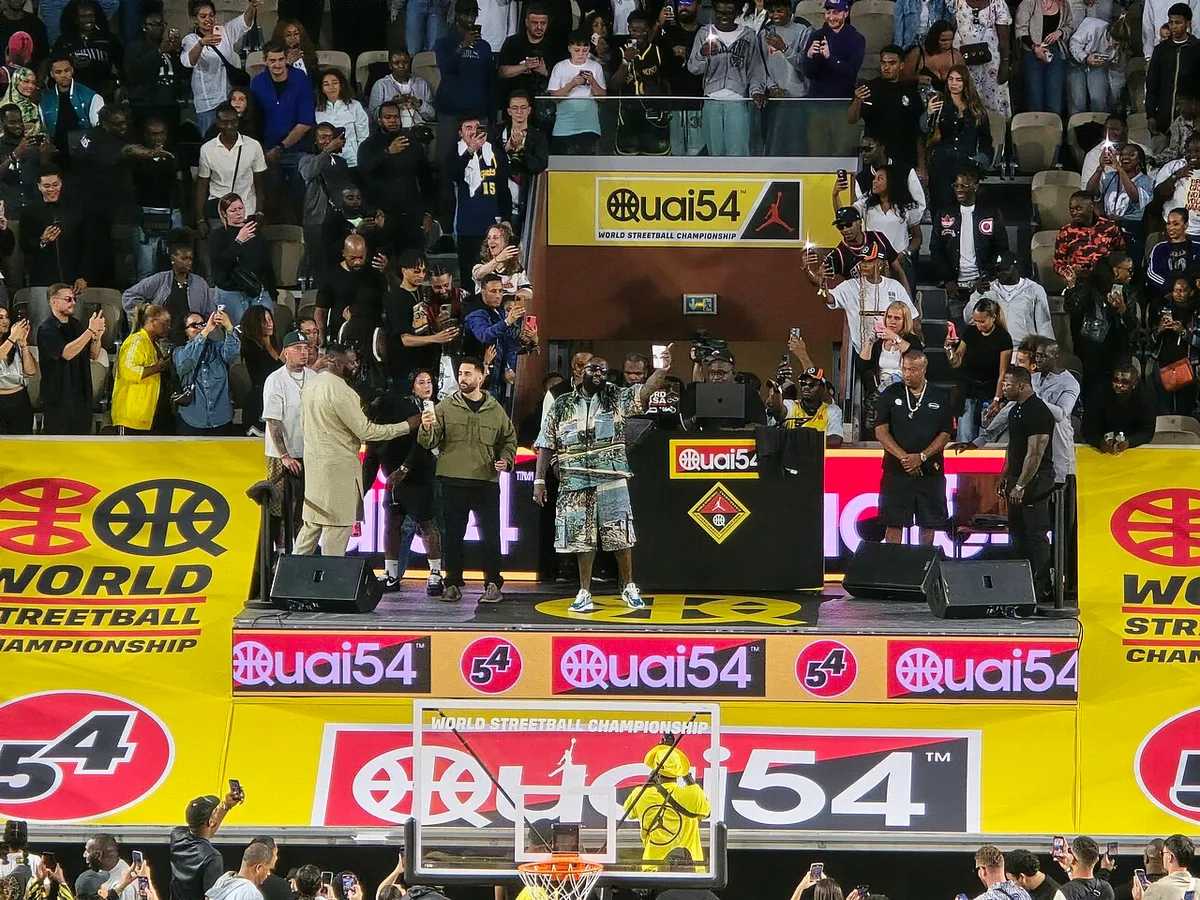
The tension between the two reached a fever pitch earlier this year during the high-stakes lyrical warfare between Drake and Kendrick Lamar. Ross, never one to let a good spectacle go to waste, jumped into the fray with the venomous diss track "Champagne Moments." He didn't just target Drake’s pen; he went for the jugular with a series of personal jabs, famously coining the "BBL Drizzy" moniker and accusing the Toronto superstar of undergoing cosmetic surgery. That move effectively burned the bridge to ash, turning a professional disagreement into a deeply personal rivalry that has played out across social media feeds for months like a digital soap opera.
The Business of Beef and the Art of the Setlist
While the personal bridge might be smoldering, Rick Ross remains a shrewd businessman who understands the heavy gravity of his own catalog. Despite the vitriol traded in diss tracks and the tense standoffs that followed, Ross made it clear to TMZ that he has no intention of stripping his live shows of the massive hits he shares with Drake. Fans who flock to see the MMG captain can still expect to hear the haunting opening notes of "Stay Schemin'" or the gospel-inflected boom of "Lord Knows" rattling the rafters. To Ross, the music exists in a space entirely separate from the men who made it.
"I’m still playing the records," Ross indicated, suggesting that the fans shouldn't be penalized for the falling out between the stars. It’s a pragmatic approach that mirrors how many veteran performers handle messy breakups; you don't leave a billion-streamer on the cutting room floor just because you aren't on speaking terms with the featured artist. For the audience at a Rick Ross show, those songs represent a specific era of luxury and aspiration, and the Boss knows that denying the crowd those moments would be a catastrophic branding error. He’s keeping the hits on the menu even if he’s removed the chef from his holiday card list.
The dynamic is fascinatingly complex, bordering on the surreal. While Ross continues to perform these tracks, he does so while frequently trolling Drake on Instagram, posting memes, and leaning into the "BBL Drizzy" narrative that became a viral sensation. It creates a concert experience where the music celebrates their shared history while the artist on stage is actively distancing himself from the person on the hook. It’s a delicate balancing act that only someone with Ross’s level of confidence and charisma could pull off without it feeling hypocritical.
From Vancouver Scuffles to the Digital Front Lines
The refusal to reconcile isn't just about hurt feelings; it’s about the very real-world consequences of this friction. This past June, the beef transitioned from the recording booth to the pavement at the Ignite Music Festival in Delta, British Columbia. Following his set—where Ross reportedly had the DJ play Kendrick Lamar’s Drake-eviscerating anthem "Not Like Us"—the Miami rapper and his entourage were confronted by a large group of men allegedly affiliated with Drake’s OVO camp. The resulting brawl, captured in shaky cell phone footage, showed Ross taking a punch to the face before his security team stepped in to navigate the chaos.
That incident in Vancouver marked a definitive turning point. When physical altercations occur on foreign soil—especially in Drake’s home territory of Canada—the path back to a friendly, "God’s Plan" style reunion becomes nearly impossible to find. Sources close to the situation noted that the atmosphere at the festival turned electric the moment the Kendrick Lamar track started playing, showing that Ross was more than willing to poke the bear in its own backyard. The physical confrontation served as a stark reminder that in the world of high-stakes hip-hop, words on a track can have tangible, sometimes violent, repercussions.
Even with the bruises from Vancouver still fresh in the public memory, Ross’s demeanor remains remarkably unbothered. He continues to move through the industry with the swagger of a man who knows his legacy is secure with or without the OVO affiliation. His social media presence has become a masterclass in psychological warfare, often featuring Ross lounging by his pool at the "Promise Land" estate in Georgia, sipping expensive spirits while laughing at the latest headlines. He has mastered the art of being the antagonist in Drake's story while remaining the undisputed hero of his own.
The Ghost of the Maybach and OVO Alliance
To understand why this breakup feels so significant, one has to look at the sheer volume of work these two produced together. From the 2011 classic "I'm On One" to the smooth, late-night textures of "Gold Roses" in 2019, Ross and Drake were the ultimate one-two punch. They represented a specific lifestyle: exotic cars, Swiss watches, and the kind of wealth that felt both unreachable and deeply cool. Their voices complemented each other perfectly—Ross’s gravelly, authoritative baritone providing the muscle, while Drake’s melodic flows provided the high-gloss polish.
Industry veterans often pointed to their relationship as a blueprint for how two different regions—Miami and Toronto—could dominate the charts through mutual respect. But that respect evaporated under the pressure of the Kendrick Lamar feud. When Drake dropped "Push Ups," he didn't spare Ross, mocking the veteran rapper’s age and implying that Ross’s career was propped up by Drake features. That jab seemed to hurt more than the surgical rumors, as it questioned Ross’s standing as a self-made mogul. The response from Ross was swift and venomous, and since then, the two haven't looked back.
As the summer festival season continues and Ross prepares for more dates, the industry is watching closely to see if Drake will eventually respond to the "laughable" comment or if he will choose to ignore the man he once called a brother. For now, the "Aston Martin Music" continues to play, but the two men in the driver's seats have long since jumped out and headed in opposite directions. The records are forever, but the brotherhood is firmly in the rearview mirror, and Rick Ross seems perfectly happy to keep it that way while he counts the royalties from the hits they built together.


