 THE MARQUEE
If your Thursday morning didn’t involve a three-hour digital standoff with a spinning loading icon, you probably weren’t trying to buy a movie ticket. The digital gates to Ithaca didn’t just swing open this week; they were effectively vaporized by a collective, frantic click-storm that brought the giants of theatrical infrastructure to their knees. As pre-sale windows for Christopher Nolan’s upcoming magnum opus, The Odyssey, flickered to life, the sheer weight of millions of cinephiles proved far too heavy for the pipes of modern commerce. Major ticketing platforms, including Fandango and AMC Theatres, buckled under the pressure, reporting widespread outages and digital queues that rivaled the bloodbath of a Taylor Swift stadium tour. But the crowd wasn't hunting for pop hits; they were hunting for 15-perf 70mm celluloid.
The velocity of this ticket grab is a ferocious testament to the unique brand of “Nolan-mania” that has reshaped the industry. Since Oppenheimer swept the Academy Awards and hauled in nearly a billion dollars, Nolan has ascended to a rare stratosphere where his name is the franchise. With The Odyssey slated for a July 17, 2026, release, he isn't just reclaiming the mid-summer blockbuster window he has owned since the days of The Dark Knight; he’s attempting a technical flex that borders on the impossible. This is the first commercial scripted feature film to be shot 100 percent on IMAX film cameras. For the analog purists, that means zero digital interludes and no 35mm padding. It is a total, uncompromised immersion in the high-resolution format Nolan has championed like a cinematic crusader for decades.
The Great 70mm Scramble: Why Fans are Breaking the Internet
Social media transformed into a digital war room shortly after 10:00 AM ET. Fans trying to secure their opening-weekend real estate were greeted by the dreaded “503 Service Unavailable” error, a sight that quickly sent the hashtags #TheOdyssey and #TheOdysseyIMAX trending globally. X (formerly Twitter) became a frantic map of crashed checkout pages and desperate crowdsourcing as users traded tips on which suburban IMAX locations might still have a functional server. “I’ve been in the Fandango waiting room longer than it took Odysseus to get home from Troy,” one user joked, while another posted a photo of a physical line already snaking around the block at the Lincoln Square AMC in New York City—a venue that houses one of the few true 70mm IMAX screens left on the planet.
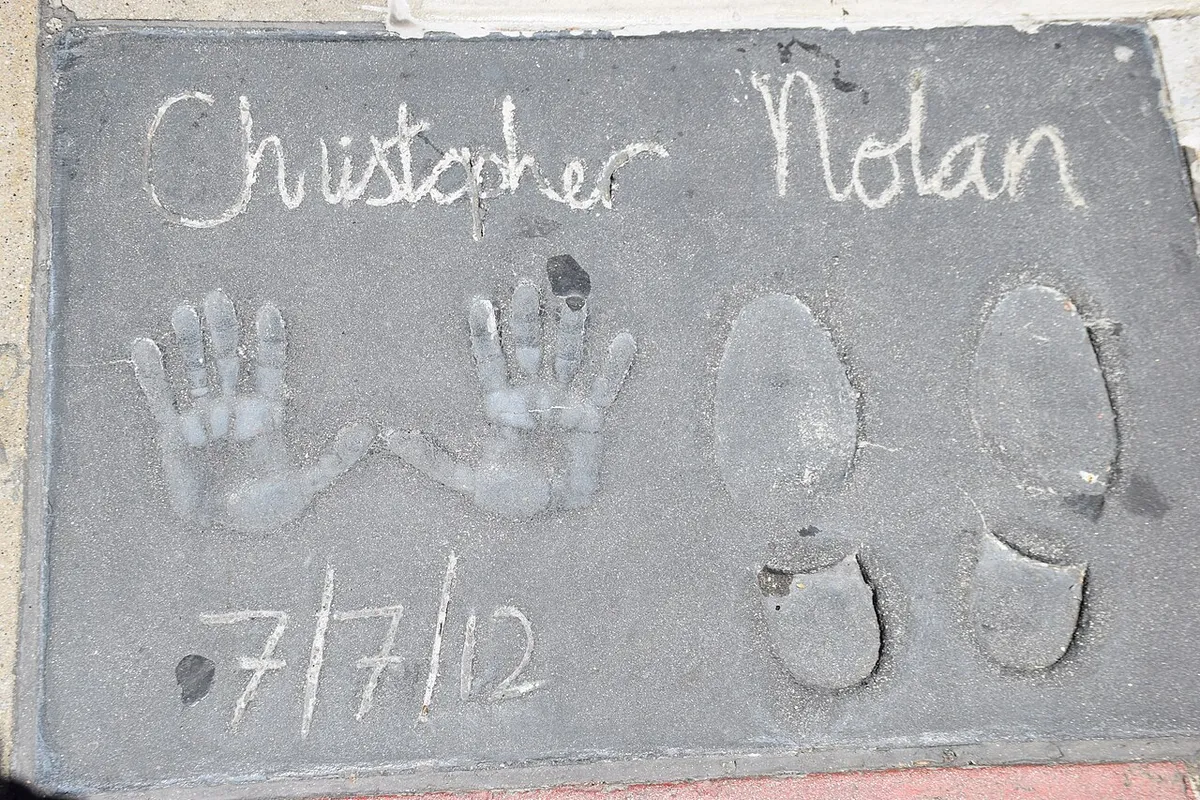
That desperation is born from pure scarcity. While thousands of multiplexes slap the “IMAX” logo on their doors, only a handful of theaters worldwide are actually equipped to project 15-perf 70mm film. These locations, like the BFI IMAX in London and the TCL Chinese Theatre in Los Angeles, are the holy grails of the moviegoing experience. For The Odyssey, the stakes feel even higher. Because the film was shot entirely on these heavy, notoriously temperamental cameras, the visual fidelity is expected to be a quantum leap beyond anything ever projected. Every bead of sweat on Matt Damon’s brow as the weary king of Ithaca will be captured with ten times the detail of standard film, creating a texture that digital sensors simply cannot replicate.
An AMC Theatres spokesperson declined to comment on the outages, even as the traffic spike rivaled the biggest opening days in the company’s history. Universal Pictures, the studio where the project was set up directly following Nolan’s success with Oppenheimer, has kept the specifics of the rollout under a tight lid, but the message from the public is deafening: the hunger for the communal, large-format theatrical experience has never been sharper. A Nolan release has become more than a movie; it is a cultural checkpoint that demands to be witnessed in the specific, gargantuan format the creator intended.
Blood, Bronze, and the Burden of the R-Rating
While the technical specs have the gear-heads salivating, the creative direction of The Odyssey is what has the broader public truly buzzing. Abandoning the PG-13 safety net of Interstellar or Dunkirk, Nolan has secured a hard R-rating for this adaptation. It’s a bold return to the uncompromising, visceral tone he perfected in Oppenheimer. Production insiders suggest this isn't about gratuitous gore for the sake of it; it’s about a gritty, grounded portrayal of the Bronze Age that refuses to sanitize the brutality of ancient warfare or the psychological scarring of a decade-long survival mission.
The R-rating allows Nolan to lean into the more horrific, surreal corners of Homer’s epic. From a terrifyingly tactile encounter with the Cyclops to the haunting, hallucinogenic siren sequences and a blood-soaked finale in the halls of Ithaca, the tone suggests a survival thriller rather than a whimsical fantasy. It’s a creative pivot that aligns with Nolan’s lifelong obsession with time, memory, and the endurance of the human spirit. In his hands, Odysseus isn't a untouchable legend; he’s a man being systematically deconstructed by the very gods and elements he dares to defy.
Casting Matt Damon as the lead has only added fuel to the fire. This marks the third collaboration between Damon and Nolan, following their work on Interstellar and Oppenheimer. Damon, who previously played the desperate Dr. Mann and the pragmatic General Leslie Groves, finally takes center stage as the ultimate protagonist. Sources close to the production indicate that Damon underwent a grueling physical transformation to reflect the years of shipwrecks and combat that define the character. The shorthand between actor and director has reached a level that allows for the kind of extreme risk-taking required when you’re hauling a hundred-pound IMAX camera onto a replica ancient galley in the middle of a choppy Mediterranean sea.
The 30-Pound Reel and the Future of the Blockbuster
The mid-July release date is a signature move for Nolan, who has effectively turned that weekend into his own private real estate. It was the same launchpad that propelled The Dark Knight, Inception, and Dunkirk into the stratosphere. Universal is signaling that this is the definitive event of the 2026 calendar, and the industry is watching with bated breath. In an era where studios are retreating into the safety of established franchises, Nolan remains the rare filmmaker who is a franchise unto himself.
The logistical hurdles of the production are the stuff of industry legend already. Shooting entirely on IMAX film meant managing 30-pound reels of celluloid that only hold about three minutes of footage at a time. The sound department reportedly faced a Herculean task in muffling the “chainsaw-like” roar of the camera motors during the intimate, dialogue-heavy scenes between Odysseus and his crew. Yet, Nolan treats these obstacles as the essential tools of his trade. He has famously avoided CGI wherever possible, opting for massive seaworthy vessels and the rugged, sun-bleached coastlines of Malta and Greece to ground the story in a tangible reality.
As the ticketing sites slowly regain their footing and fans finally secure their seats for next summer, the conversation is shifting toward the mystery of what comes next. The combination of an ancient myth, a massive R-rated budget, and the absolute pinnacle of analog film technology has created a perfect storm of anticipation. We are entering a new era where the medium is just as much of a draw as the message, and Christopher Nolan is the undisputed captain of the ship. When the lights dim on July 17 and that first 70mm frame hits the screen, the journey of Odysseus will finally be told on the scale it has deserved for three millennia. Get your popcorn ready and keep those browsers refreshed—this is going to be a wild, high-resolution ride.


