 THE MARQUEE

The Twelve-Note Gospel and the Brass Hook Heard 'Round the World
For about six hours after the global release of "Take Me Home (4 Christmas)" on November 5, 2026, it looked like Olivia Rodrigo was headed for a lump of coal in her stocking. When she dropped her surprise holiday anthem, the initial reaction was a sugar-coated fever dream of euphoria. But the internet is a restless beast. Within hours, the amateur musicologists of TikTok and X had traded their lip-syncing for forensic sleuthing. The smoking gun? A punchy, stadium-sized brass hook and a jaunty, mid-tempo trot that felt uncannily familiar to anyone who had a pulse during the UK pop renaissance of the early 2010s. Specifically, listeners were drawing a jagged red line between Rodrigo’s festive jingle and Robbie Williams’ 2012 chart-topper, "Candy."
By the time the weekend hit, the discourse had reached a deafening roar. Side-by-side audio comparisons began colonizing every social media feed, with the more cynical corners of the fandom accusing the 23-year-old GUTS icon of "sonic shoplifting" or outright hijacking the DNA of Williams’ biggest solo hit of the last decade. It was a familiar narrative for Rodrigo, who has famously navigated the minefield of retroactive credits, from adding Paramore to the "Good 4 U" masthead to getting the public blessing of Elvis Costello for "Brutal." The vultures were circling, and the numbers backed up the noise: Luminate reported a sudden surge in streams for "Candy" as the curious flocked to play detective. But just as the legal machinery began to hum, Robbie Williams himself crashed the party to deliver a masterclass in how to kill an outrage cycle with a single thumb-tap.
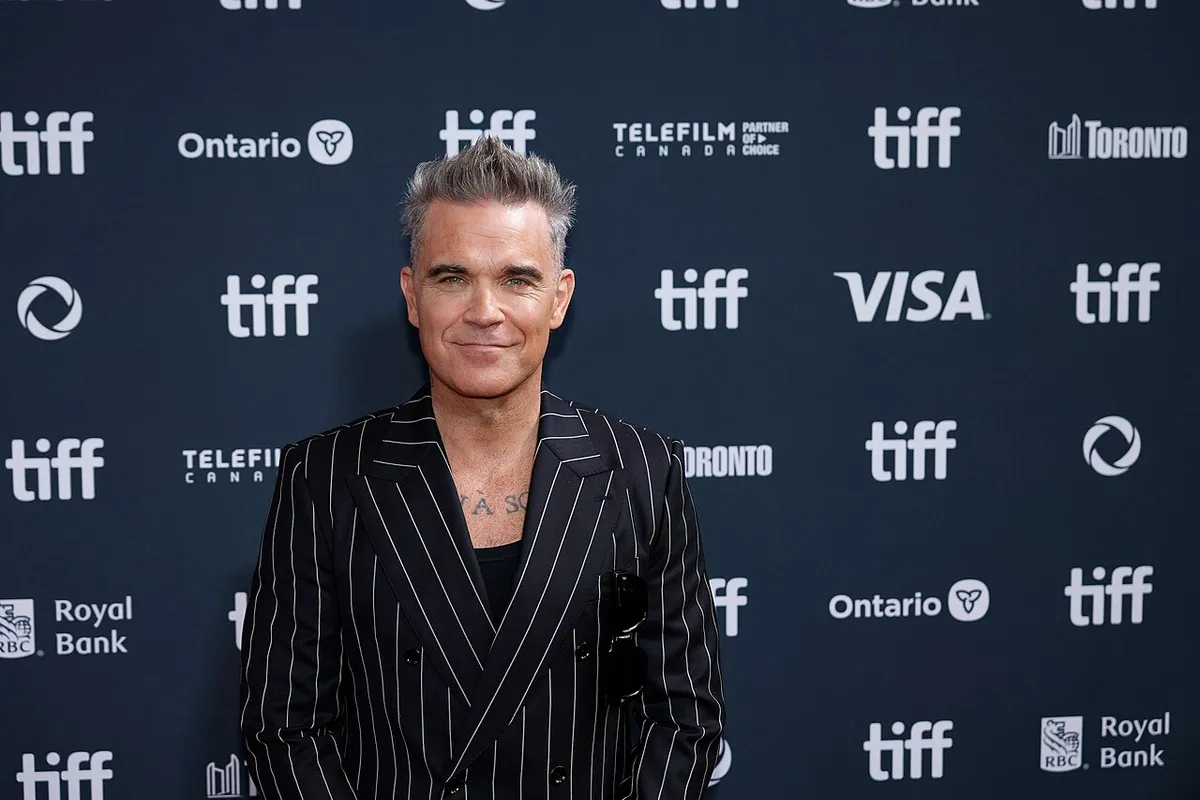
In a characteristically unfiltered, sweary, and oddly philosophical Instagram post shared on November 9, the former Take That frontman didn’t just dismiss the claims—he scorched the earth they stood on. Posting a screenshot of a tabloid headline salivating over a potential courtroom showdown, Williams told his four million followers that he "couldn’t care less" about the alleged theft. "I’ve spent the morning listening to Olivia’s new tune and, quite frankly, it’s a banger," Williams wrote, his digital voice vibrating with the effortless cool of a veteran who has survived the pop wars and lived to tell the tale. "To the people crying 'plagiarism': give it a rest. We are all playing with the same twelve notes. If she’s caught a vibe that feels like something I did a decade ago, then good on her for having excellent taste."
A Manifesto Against the Stifling of the Song
Williams wasn’t content with a mere pat on the back. His post quickly evolved into a fiery manifesto against the "copyright police" culture that has haunted the industry since the "Blurred Lines" verdict fundamentally changed how we define influence. The "Angels" singer argued that the constant surveillance of musical DNA is actively strangling the next generation of pop stars. "This overzealous obsession with 'who did it first' is stifling creativity," Williams asserted. "It turns the recording studio into a lawyer’s office. You can’t move for fear of accidentally humming a melody that someone’s great-uncle wrote in 1964. It’s exhausting, it’s boring, and it’s not what pop music is about."
The track at the center of the storm, "Candy," was a juggernaut for Williams, serving as the sugary lead single from Take the Crown. Co-written with his old sparring partner Gary Barlow and polished by producer Jacknife Lee, the song hit number one in the UK and became a cornerstone of European radio for years. It was built on a foundation of nursery-rhyme simplicity—a vibe Rodrigo undoubtedly tapped into for her holiday outing. Yet, Williams was the first to admit his own glass house was built on borrowed stones. "I’ve spent 30 years 'borrowing' from Queen, Oasis, and The Rat Pack," he confessed. "That’s the job. You take what you love, you put it through your own machine, and you spit out something new. Olivia is a massive talent, and she’s doing exactly what she should be doing: making people feel something."
Rodrigo’s camp has played it cool, opting for quiet gratitude over defensive PR. While the Geffen Records star hasn’t issued a formal statement, she was caught "liking" Williams’ post within minutes of it hitting the grid. Sources close to the "Take Me Home (4 Christmas)" sessions insist that while the brass and tempo were meant to evoke a "classic, British pop-rock holiday spirit," there was never a blueprint for "Candy" on the console. The goal was something closer to the glam-rock festive energy of Wizzard or Slade—the kind of stomping, tinsel-draped joy Williams has always championed.
The social media tide turned instantly. On X, one Rodrigo superfan perfectly captured the mood: "Robbie Williams defending Olivia is the chaotic mentor energy we needed for 2026. Real recognize real." Even the internet’s busiest music nerd, Anthony Fantano, noted during a livestream that Williams is right—the litigious nature of the modern industry is a net negative for the art. If the original architect says the house looks fine, everyone else needs to stop complaining about the floor plan.
The High Stakes of a Snow-Capped Billboard Throne
This defense isn’t just a nice gesture; it’s a vital shield. "Take Me Home (4 Christmas)" is currently locked in a brutal three-way dogfight for the Billboard Hot 100 summit, squaring off against the perennial titans: Mariah Carey’s "All I Want for Christmas Is You" and Brenda Lee’s "Rockin' Around the Christmas Tree." In the modern streaming era, a holiday hit isn’t just a seasonal bonus; it’s a bid for immortality. By decapitating the plagiarism narrative before it could gain legal legs, Williams has cleared the path for Rodrigo to chase the crown without the "copycat" baggage.
The timing is also a win for Williams, who is currently basking in a massive career renaissance. Between his biopic Better Man sweeping awards in early 2025 and whispers of a 2027 stadium run, he is leaning into his role as the industry’s elder statesman—the guy who isn’t afraid to embarrass the "suits." His defense of Rodrigo mirrors the legendary "chill out" directed at fans by Elvis Costello years ago, when he reminded the world that rock and roll is built on "taking the broken pieces of another thrill and making a new toy."
Naturally, this public display of affection has already sent the rumor mill into overdrive. Fans are already begging for a "Candy"-infused remix or a collaborative performance at the upcoming BRIT Awards. Williams has always had a flair for the theatrical, and Rodrigo is the reigning queen of honoring her heroes; a cross-generational duet would be the ultimate way to turn a legal headache into a triumphant pop moment. For now, the message from the Williams camp is simple: stop the yapping, start the dancing, and let the girl have her Christmas. With the support of a legend, Olivia Rodrigo is poised to own the winter.

