 THE MARQUEE
A Midnight Reckoning in Miami Beach
Rick Ross spent years selling the world a dream built on marble floors and endless champagne, but on Thursday, the self-proclaimed “Biggest Boss” traded the velvet rope for a set of handcuffs. William Leonard Roberts II, the mogul whose very name is synonymous with the high-octane luxury of Maybach Music Group, turned himself into Miami Beach police on October 1, 2026. The 50-year-old entrepreneur wasn’t there to talk shop or sign off on a new Wingstop franchise; he was there to face two sobering charges: felony battery by strangulation and misdemeanor battery.
The scene at the precinct was a jarring departure from the sprawling “Promise Land” estate and the polished, cinematic visuals fans have come to expect. According to reporting from CBS News and NBC 6, Ross surrendered following a warrant linked to a domestic incident that allegedly curdled late last summer. While the hip-hop landscape is often cluttered with legal noise, the specific gravity of these allegations has hit the industry like a lead weight, threatening to derail the celebration of his recent 50th birthday and his long-standing dominance in the boardroom.
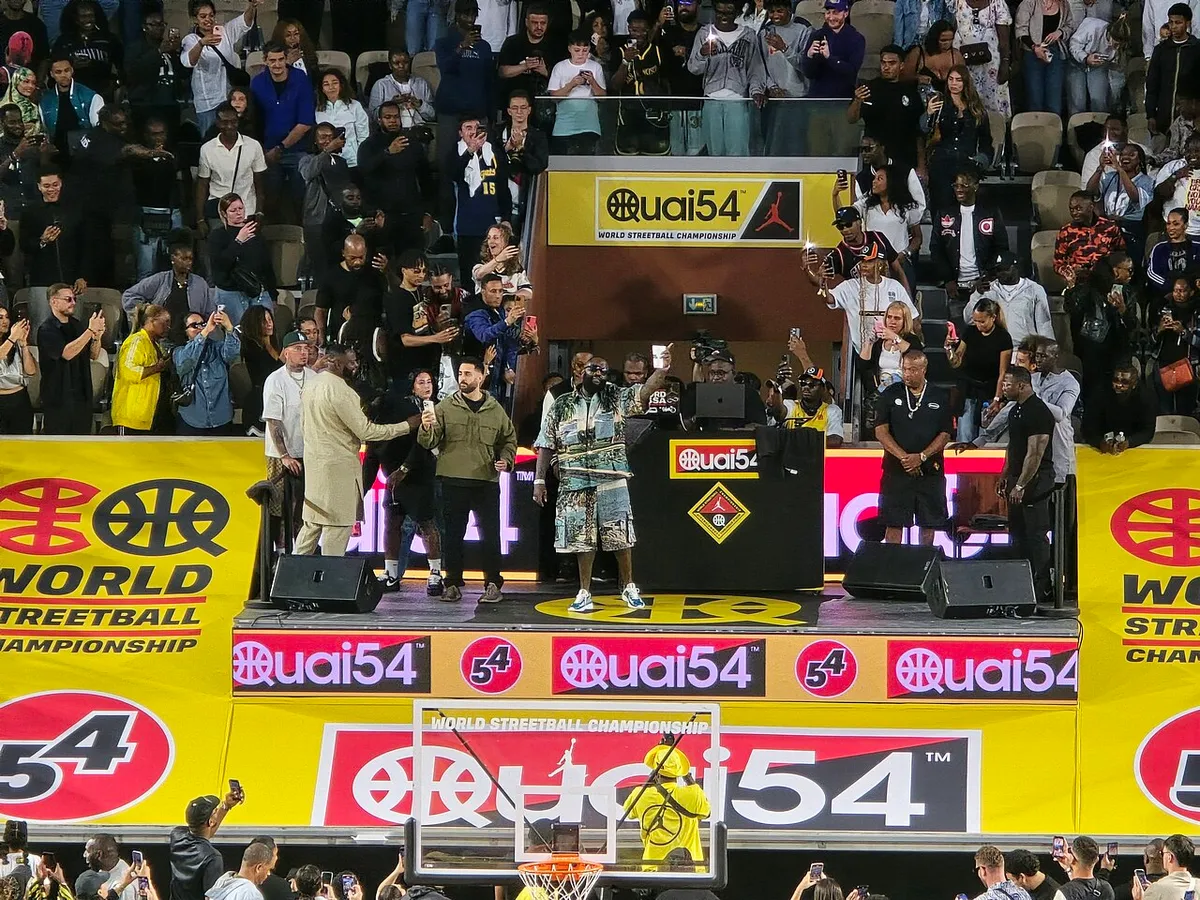
Ross didn’t stay behind bars for long. Records indicate he was processed and released after posting a $5,000 bond, a figure that seems like pocket change for a man who famously customized his own private jet. But the swift exit doesn’t mean the heat is off. The legal machinery is officially in motion, with a formal arraignment carved into the court calendar for October 22, 2026. There, he’ll have to answer to claims that have already set social media ablaze and put his carefully curated legacy under a microscope.
The August 28 Incident and the Weight of Silence
The roots of this legal storm reach back to the final heat of the summer. Investigators allege the assault took place on August 28, 2026, involving a victim identified by authorities as a romantic partner. As reported by AP News and Complex, the woman waited until September 29 to file a formal report, eventually describing a harrowing encounter that allegedly escalated into physical assault and strangulation. That month-long gap between the incident and the police report has already become the primary battleground for fan debates and legal strategizing alike.
In the eyes of the Sunshine State, felony battery by strangulation is a third-degree felony, defined by the intentional impeding of normal breathing or blood circulation. It’s a heavy charge that requires prosecutors to prove the physical contact was intended to create a risk of great bodily harm. While skeptics point to the delay in reporting, victim advocates emphasize that in domestic cases, the psychological tangle of fear and loyalty often keeps survivors silent long after the bruises fade. This case is shaping up to be a test of how the industry handles these sensitive narratives in an era of heightened accountability.
Ross, flanked by a high-powered legal team, is maintaining a posture of total innocence. He has flatly denied the allegations, framing the situation as a fabrication that will crumble under the scrutiny of a courtroom. As Alex DeLuca and other veteran Miami reporters have observed, Ross is a veteran of the legal system who has weathered storms before, but the intimate, violent nature of a strangulation charge carries a specific stigma that no amount of luxury branding can easily wash away.
The Stakes for the $100 Million Brand
This isn’t the first time the Port of Miami rapper has found himself in the crosshairs. Look back to 2015, and you’ll find his arrest in Fayette County, Georgia, on kidnapping and aggravated assault charges involving a groundskeeper. He ultimately navigated that crisis with a no-contest plea to misdemeanor counts, establishing a playbook for how the Boss handles pressure: with elite lawyers and a public-facing confidence that suggests he is fundamentally untouchable. But 2026 is a different beast entirely.
The Ross of today is a corporate behemoth. Between his massive Wingstop portfolio, his Luc Belaire champagne empire, and the MMG roster, his brand is worth hundreds of millions of dollars. Corporations are famously skittish when it comes to felony domestic violence charges. On X (formerly Twitter), the speculation is rampant. “Rozay is the face of so many brands right now,” one user noted. “This isn’t just about a rap career anymore; it’s about a whole corporate ecosystem.” If the pillars of his business start to lean, the impact will be felt far beyond the recording studio.
Facing the Music in Miami-Dade
As the clock ticks toward the October 22 arraignment, the focus shifts to what evidence the State Attorney’s Office actually has in the vault. Domestic battery cases frequently hinge on the strength of witness testimony and whatever physical documentation was captured at the time of the report. The defense will undoubtedly hammer at the timeline, looking to puncture the prosecution’s narrative by highlighting the weeks of silence following the alleged August assault.
Meanwhile, the hip-hop community is fractured. On Instagram, his comments are a battlefield of “Free the Boss” mantras and calls for genuine accountability. “We can’t just ignore these types of charges because we like the music,” wrote one commenter on a 105.3 The Beat post. “Strangulation is serious. Let the process play out.” It’s a reflection of a culture no longer willing to give superstars a free pass.
For now, Ross is keeping his head down, though the silence on his usually boisterous social media feeds is deafening. Whether he can rhyme his way out of this latest chapter is the question haunting South Florida. All eyes are on the Miami-Dade County courthouse, where celebrity status won’t count for much. The coming weeks will determine if this is just another bump in the road for Rick Ross, or the moment the music finally stops.


