 THE MARQUEE
March Madness in 10-Inch Heels
Forget the polite decorum of the Hall of Fame—this is a digital coliseum. When the doors to the Werk Room hissed open on May 8, 2026, for the premiere of RuPaul’s Drag Race All Stars 11, the air didn’t just smell like industrial-strength hairspray and expensive foundation; it smelled like a full-scale revolution. For over a decade, we’ve watched this franchise evolve from a fuzzy-lensed cult hit into a global juggernaut, but this latest iteration, the “Tournament of All Stars,” is the most radical mechanical shift since the show first weaponized the “Lipsync for Your Life.” Exclusively streaming on Paramount+, the season exploded with a massive two-episode debut that signaled one thing with terrifying clarity: RuPaul isn't looking for a queen to crown; he’s looking for a gladiator who can survive a gauntlet.
The sheer scale of the season is enough to make a seasoned pageant coach hyperventilate. A record-breaking roster of 18 returning queens has been summoned back to the runway, but they aren’t all fighting the same war at once. In a structural pivot that feels more like the NBA playoffs than a traditional reality competition, the cast has been chopped into three distinct, cutthroat brackets. The math is as cold and unforgiving as a villain’s edit: only two queens from each bracket will claw their way into the semifinals. This isn't just about surviving another week; it’s about total domination in a six-person pressure cooker where a single stray eyelash or a fumbled punchline means an immediate ticket home. The tension in the premiere was thick enough to contour with, as queens accustomed to the safety of a sprawling crowd realized they were trapped in a high-stakes cage match from day one.
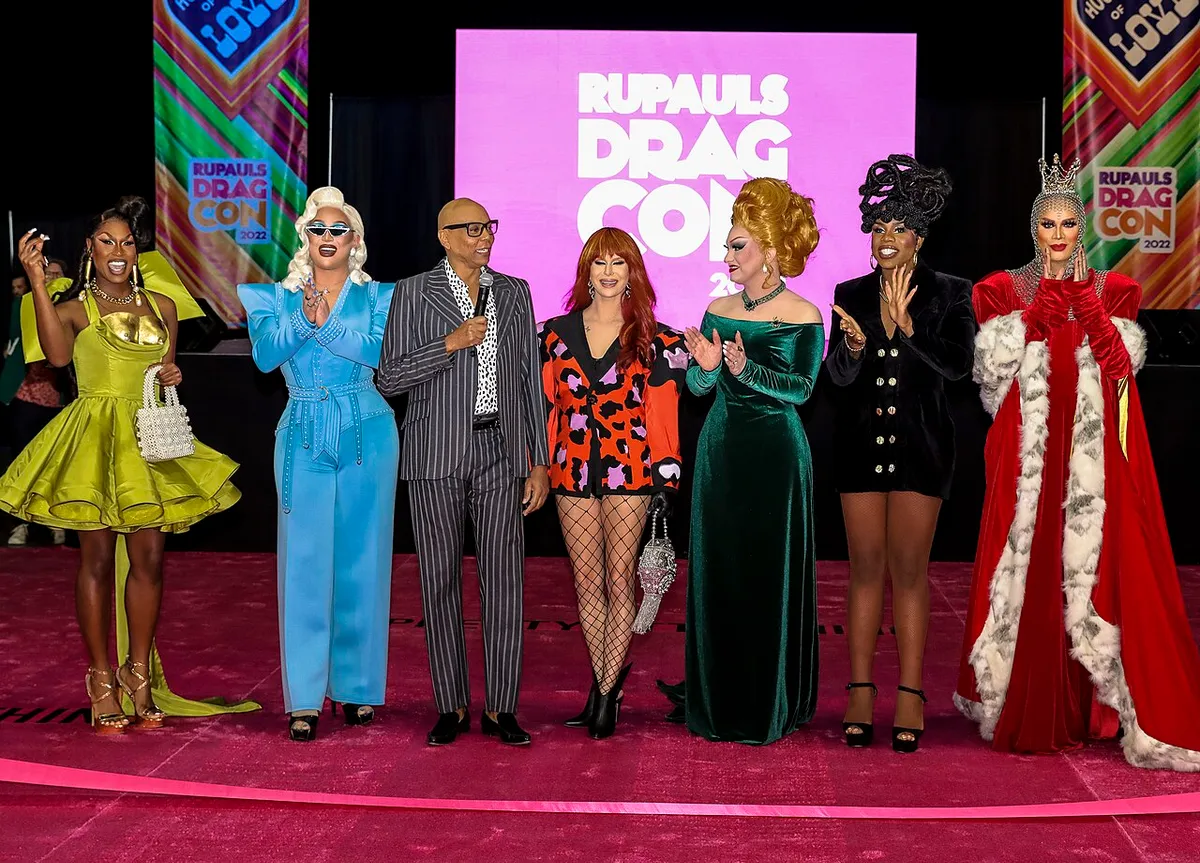
Social media erupted as the bracket logic set in. One viral post on X (formerly Twitter) captured the community’s collective anxiety perfectly: “RuPaul really turned our favorite show into March Madness for drag queens and I am not okay. My bracket is already sweating!” That sentiment rippled across Reddit and TikTok, where viewers began a forensic dissection of each group’s power dynamics. This tournament format isn't a mere gimmick—it’s a strategic cattle prod. In a bracket of six where only two slots lead to salvation, “safe” is a four-letter word that leads straight to the exit. You don't play this game to participate; you play to annihilate your specific rivals.
Six Slots, No Mercy, and a $200,000 Bag
While a portrait in the Drag Race Hall of Fame is the spiritual carrot, World of Wonder and Paramount+ have ensured the material stakes are high enough to justify the couture carnage. The winner of All Stars 11 will walk away with a life-changing $200,000 cash prize—the absolute ceiling for individual prizes in the franchise's history—coupled with a high-profile makeup collaboration and that elusive crown. For these returning icons, this is more than a shot at redemption; it’s a massive business expansion. That $200,000 figure acts as a siren call for the elite, ensuring the talent density this season is high enough to crack a mirror.
The premiere episodes were a masterclass in the price of ambition. The runways felt less like a fashion show and more like an arms race, with several queens reportedly dropping tens of thousands of dollars on custom pieces from top-tier designers just to survive their initial bracket. During the first Maxi Challenge, the tournament pressure catalyzed some of the most polished, desperate, and brilliant performances we've seen in the modern era. Michelle Visage, Carson Kressley, and Ross Mathews returned to the judging panel with their critiques sharpened to a razor’s edge, reminding the girls that in a tournament setting, being “good” is just a slow way of being gone.
Industry veterans Fenton Bailey and Randy Barbato, the masterminds behind World of Wonder, have long argued that drag is a high-performance sport. By leaning into this bracket structure, they’ve successfully bridged the gap between reality TV drama and legitimate athletic stakes. The focus has pivoted from petty Werk Room squabbles to raw, unfiltered talent and the kind of strategic maneuvering usually reserved for a chess grandmaster. In the premiere, queens were seen openly plotting how to edge out their specific bracket rivals—a level of transparency that feels revitalizing and honest for a show entering its second decade of All Stars.
The Streaming Sanctuary
As the definitive home for this high-octane season, Paramount+ continues to cement its status as the sanctuary for the Drag Race universe. Dropping the first two episodes simultaneously was a sharp tactical move, giving the audience enough time to digest the complexities of the bracket system while building immediate, frantic momentum. In an era of streaming fatigue, RuPaul's Drag Race remains the kind of “appointment viewing” that keeps subscribers locked in. According to GLAAD, the show's continued dominance on a major platform is a vital win for LGBTQ+ representation, showcasing the diverse resilience and artistic brilliance of the community on a grand, unapologetically competitive stage.
Beyond the glitter and the brackets, the premiere didn’t forget the human cost of the spotlight. Woven throughout the episodes were moments of raw vulnerability, as queens discussed the weight of returning to the Werk Room in 2026. The world has shifted since many of these performers first walked through those doors, and the show smartly leans into those realities. Still, the focus remains laser-targeted on the art. The makeup collaboration prize remains a coveted gold mine, symbolizing the metamorphosis from reality contestant to beauty mogul—a path forged in fire by legends like Trixie Mattel and Sasha Colby.
As the first bracket begins to thin out, the atmosphere is becoming increasingly electric. The “Tournament of All Stars” has effectively cured the mid-season slump that can plague long-running franchises; now, every episode carries the existential weight of a finale. The queens are performing as if their entire legacies depend on every single step. With $200,000 on the line and only six spots in the semifinals, the room for error has vanished. The premiere set a blistering, breathless pace that leaves the audience reeling and the competitors on notice. The road to the Hall of Fame has never been this narrow, and for the 18 queens vying for immortality, the real battle has only just begun. The sequins are on, the claws are out, and the most competitive season in Drag Race history is officially a dead heat.


