 THE MARQUEE
The silence of the mandatory military hiatus hasn’t just been broken; it’s been shattered by a roar that can be heard from Seoul to the swamps of New Jersey. When BTS eventually takes the stage for their long-awaited reunion, it won’t just be a concert—it will be a seismic cultural reclamation, the moment the most dedicated fanbase in pop history finally sees the full septet back in the light.
A future reunion tour is the homecoming the world spent years holding its breath for. For the millions of ARMY members who tracked every enlistment update and solo release like breadcrumbs leading back to this moment, the return represents the ultimate victory lap for RM, Jin, Suga, J-Hope, Jimin, V, and Jungkook. But while the emotional stakes are sky-high, the anticipated logistical reality of such an event is already a major talking point.
The madness often ignites long before a single pyrotechnic is loaded. When tickets for high-demand tours hit the digital ether, the internet doesn't just slow down—it effectively buckled under the weight of a million simultaneous prayers during previous record-breaking runs. Fans have described the Ticketmaster queue as a grueling test of patience, with wait times stretching into the afternoon and the dreaded "sold out" banner appearing like a heartbreak before most could even pick a seat. As any seasoned concert-goer knows, however, a sell-out isn't the end; it’s merely the opening bell for the secondary market scramble.
The Digital Bloodbath: Preparing for the Return
To grasp the potential fever pitch, you have to revisit the sheer, server-melting scale of major ticketing events. Industry analysts have noted that demand for BTS consistently exceeds expectations—drawing direct comparisons to the peak hysteria of the most significant stadium runs in the modern era. With the narrative of resilience and reunion set, the return of the group marks a perfect metaphor for a group and a fanbase that weathered a multi-year separation.
"I had three laptops, two phones, and my sister's iPad all logged in at 10:00 AM sharp," says one veteran fan, reflecting on the intensity of past ticketing windows. "By 10:05, I was number 45,000 in line. Your heart just drops because you know that with every passing second, an entire section of the stadium is vanishing. When that confirmation finally hit my inbox, I collapsed on the floor and just cried. It’s not just a show; it’s the moment we all promised we’d wait for." That sentiment has echoed across social media, where tour-related hashtags trend for days, a chaotic mix of digital victory dances and mourning for those trapped in the "Error 500" abyss.
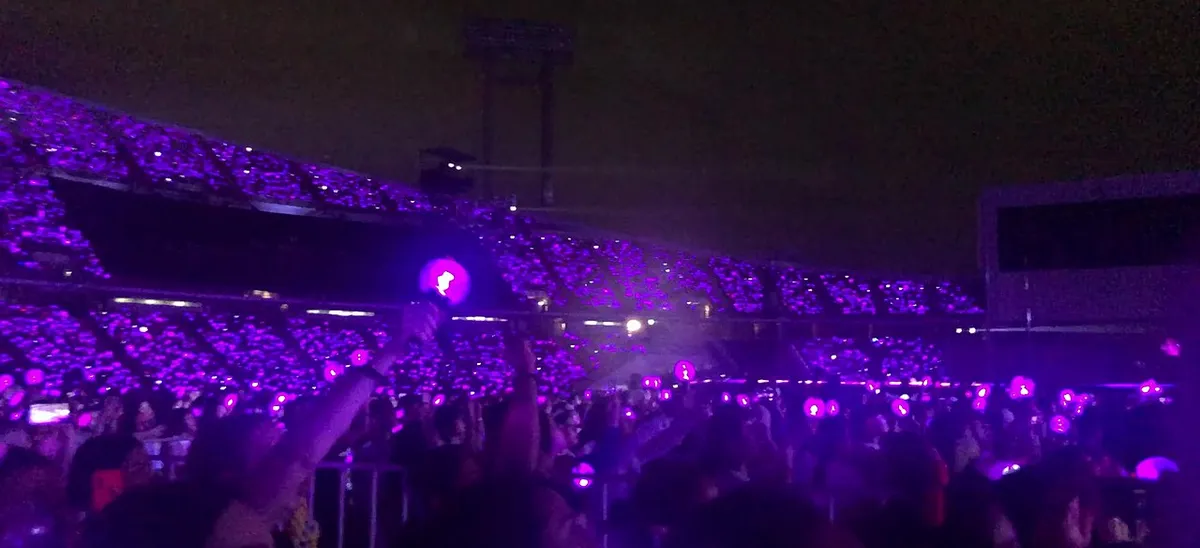
MetLife Stadium is already well-acquainted with the "BTS Effect." The group famously turned the venue into a shimmering sea of purple light during 2019’s Love Yourself: Speak Yourself tour, and the anticipated return feels heavier, more essential. The members are returning as wiser, seasoned artists with deeper solo discographies to draw from, and the stakes feel astronomical. Stadium managements are often in deep-tissue coordination with transit authorities to manage the human tide expected to flood any venue for a major reunion.
The Resale Frontier: Navigating the Purple Market
For those who find themselves staring at "sold out" signs during these events, the secondary market becomes a high-stakes ecosystem of adrenaline and sticker shock. Platforms like StubHub, SeatGeek, and Ticketmaster’s Verified Resale are the standard frontlines. The prices reflect a global phenomenon at its zenith: upper-deck nosebleeds often fetch several hundred dollars, while floor-level VIP packages are being listed at prices that could easily cover the down payment on a used sedan. Yet, for a community that has been hoarding savings since the hiatus began, the cost is often viewed as a secondary concern to the experience.
Security is the name of the game in this resale maze. Fans and experts alike point to Ticketmaster’s Verified Resale as the gold standard for safety, ensuring tickets are authenticated and transferred within the official system. Still, the "dynamic pricing" model means the market breathes and shifts in real-time. A 100-level seat might see a significant spike the second a new rehearsal clip goes viral on Instagram. It’s a volatile, living thing.
The diversity of the hunt is also a major talking point among the ARMY faithful. There are the "Barricade" warriors—the ones willing to trade a month’s rent for the chance to see the sweat on the performers' brows—and then there are the atmosphere seekers. "I don't care if I'm in the very last row of the 300 section," says one fan religiously tracking the secondary market. "Being in that stadium when those 'ARMY Bomb' lightsticks sync up? There is nothing else like it in music. You feel the bass in your bones and the energy of 80,000 people. You pay the markup just to be able to say you were in the room when the ocean turned purple again."
The Upcoming Setlist: A Narrative of the Seven
While Big Hit Music and HYBE keep official details under wraps, having only confirmed a goal for a full-group comeback in 2025, the branding of the return suggests a story of homecoming and evolution. Early expectations hint at a masterclass in pacing—blending global juggernauts like "Dynamite" and "Butter" with the raw, personal textures of their individual solo eras and the reunion material. The production scale is expected to be gargantuan, with designs potentially featuring a multi-level stage, integrated LED flooring, and a pyrotechnic finale designed to be visible for miles.
The magic of a BTS stadium show, however, isn't just the pyro or the razor-sharp choreography; it’s the startling intimacy they maintain in a cavernous space. The mid-show "Ment" sessions—where the members speak directly to the fans—are expected to be particularly charged at the reunion, especially at venues the group has frequently called their favorites. This isn't just another tour stop; it's the anchor of their global return.
The local economy is already feeling the pull. Hotels in surrounding areas often hit near-total occupancy within days of tour announcements. Local vendors often prepare for "Purple Brunches" and fan-led "Cupsleeve" events, turning the entire region into a BTS-themed village. It is a staggering display of soft power—the ability to shift the gravity of an entire region's hospitality industry months in advance.
As the clock ticks toward their eventual return, the secondary market remains a major avenue for late-comers. It’s a stressful game of refresh buttons and budget math, but for those who understand what this reunion represents, the price is a footnote. The purple ocean is rising, and by the time the first firework cracks, it will be clear that BTS hasn't just returned—they’ve evolved. Any eventual reunion is going to be an event the world never forgets.


