 THE MARQUEE
The High Cost of Being Essential: Breaking Down the $12.5 Million Contract
Gird your loins: the most formidable woman in fashion is officially reclaiming her corner office, and she’s not doing it for a discount. Meryl Streep is sliding back into those lethal designer pumps for the long-awaited Devil Wears Prada sequel, but this time, her demands extend far beyond a hot latte and a copy of the unpublished Harry Potter manuscript. Reports indicate that Streep has locked in a staggering $12.5 million deal to return as Miranda Priestly, a figure that has sent a shockwave through Hollywood and set a massive new benchmark for Disney’s 20th Century Studios.
To understand why Disney is cutting such a massive check, you have to look back at the scorched-earth landscape of 2006. When the original film was being cast, the studio initially offered Streep a paltry $2 million—a number the legendary actress famously found insulting for a star of her gravity. She didn't just walk away; she negotiated, eventually doubling that figure to $4 million as the project transformed into a cultural juggernaut. Fast forward nearly two decades, and the 21-time Academy Award nominee has more than doubled her base rate yet again. This isn’t just a nostalgic cash-grab; it’s a calculated investment in a character who has achieved immortality through endless TikTok loops, quote-heavy Instagram reels, and a permanent residence in the pop-culture lexicon. Miranda Priestly is a brand, and brands of this caliber come with a premium price tag.
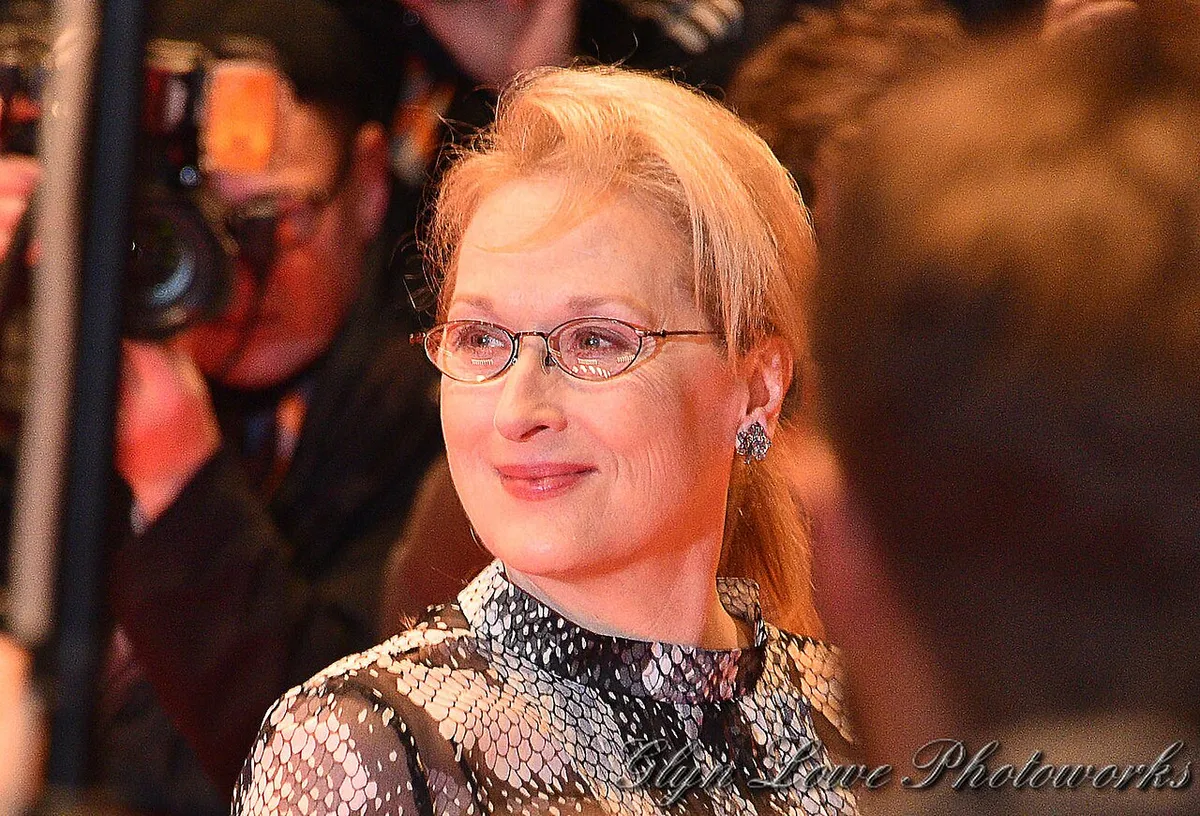
The numbers get even more interesting when you peel back the layers of the backend. While that $12.5 million serves as a guaranteed floor, industry insiders suggest that Streep, along with her primary co-stars, could see their total take-home pay climb north of $20 million each if the sequel hits specific box office milestones. Given the global hunger for this story—the original raked in over $326 million on a lean $35 million budget—those bonuses look less like a gamble and more like a safe bet. Disney isn't just hiring an actress; they are buying the aura of the most iconic boss in cinematic history, and they’ve finally realized that without Streep’s signature silver bob, there simply is no movie.
Favored Nations: Meryl’s Masterclass in Salary Parity
Perhaps the most electrifying detail emerging from the Runway offices isn't the total dollar amount, but the iron-clad structure of the deal itself. In a display of real-world leadership that would make Miranda Priestly crack a rare, approving smile, Streep reportedly insisted on a "favored nations" clause. This legal stipulation ensures that her co-stars, Anne Hathaway and Emily Blunt, receive the exact same base salary and bonus structure as Streep herself. By leveraging her own untouchable status, Streep ensured that Andy Sachs and Emily Charlton are treated as equals on the call sheet and the payroll.
This is a seismic win for Hathaway and Blunt, both of whom have seen their market value skyrocket since their days fetching coffee in 2006. Hathaway, an Oscar winner for Les Misérables, and Blunt, a powerhouse coming off the massive success of Oppenheimer, are no longer the wide-eyed ingenues they once played; they are A-list titans. By demanding salary parity, Streep bypassed the traditional Hollywood hierarchy where the lead actor drains the budget while everyone else fights for the crumbs. Instead, the trio is moving forward as a unified front, a collective power move that has fans across social media cheering for the real-world sisterhood operating behind the on-screen friction.
The industry reaction has been one of deep respect. Negotiating a favored nations deal for a trio of women remains a rarity in a town that still far too often pits actresses against one another for a shrinking pool of lead roles. On X and Reddit, the sentiment is unanimous: this is the ultimate full-circle moment. "Meryl Streep using her Miranda Priestly energy to make sure Anne and Emily get paid is the only news I needed today," wrote one fan. The studio clearly got the memo: the three stars are essential components of the Prada DNA, and trying to reboot the magic without all of them would be a "catastrophe," to borrow one of Miranda's favorite descriptors.
From Runway to Revenue: The High Stakes of the Luxury-Brand Sequel
While the contracts are making the headlines, the story fueling the sequel is just as sharp. Original screenwriter Aline Brosh McKenna is back at the keyboard, crafting a script that finds Miranda Priestly navigating the twilight of her career in a world where print magazines are gasping for air. The twist? The antagonist this time isn't a bumbling assistant, but Emily Charlton herself. Blunt’s character has reportedly evolved into a high-powered executive at a global luxury conglomerate—the kind of LVMH-style titan that controls the very advertising dollars Miranda needs to keep Runway afloat.
This dynamic completely flips the script on the mentor-mentee relationship of the original film. It places the characters in a high-stakes battle for relevance where Emily holds the financial cards and Miranda holds the cultural prestige. It’s a collision of old-guard glamour and the new-money corporate machine, and producer Wendy Finerman is reportedly eager to explore this world with the same biting wit that defined the 2006 classic. David Frankel, who directed the original hit, is also in talks to return, ensuring the visual style and needle-drops remain consistent with the first chapter's iconic energy.
The timing for a sequel couldn't be more perfect for Disney. We are living in a golden age of the "legacy sequel," where audiences are desperate to see beloved characters return—provided the quality holds up. With the fashion industry currently being dismantled by social media and influencer culture, the satirical potential for Miranda Priestly to weigh in on "quiet luxury" and "fast fashion" is limitless. The script is said to be leaning heavily into these modern absurdities, providing a fresh, jagged backdrop for the dialogue that made the original a classic. As production gears up, the industry is holding its breath to see if Stanley Tucci’s Nigel will return to offer his indispensable wisdom. For now, the focus is on the three women who started it all, now armed with the kind of financial backing that finally matches their onscreen influence. Miranda Priestly is back, she’s expensive, and she’s brought her best people with her. That’s all.


