 THE MARQUEE
Dua Lipa is currently mid-flight on her Radical Optimism world tour, but her legal team just launched a high-stakes performance of their own in federal court that’s louder than any stadium PA system. On Friday, May 8, 2026, the "Houdini" siren officially traded her microphone for a legal summons, slapping Samsung with a massive lawsuit seeking at least $15 million in damages. The catalyst? A single, sweat-slicked backstage photo that Lipa claims the tech titan hijacked to move millions of television sets without ever cutting her a check or asking for a signature.
The filing, which sent immediate tremors through the intersection of Silicon Valley and Music Row, alleges that Samsung treated Lipa’s likeness like free clip art for its Crystal UHD series packaging. These boxes—featuring a striking, full-color shot of the British-Albanian superstar—didn't just sit in a warehouse; they anchored the electronics departments at Best Buy, Walmart, and Target, effectively drafting Lipa as an unwilling brand ambassador. For a star of her magnitude, who meticulously curates every inch of her public image, finding her face used as a retail lure for one of the world’s most profitable corporations wasn't just a glitch—it was a total system failure.
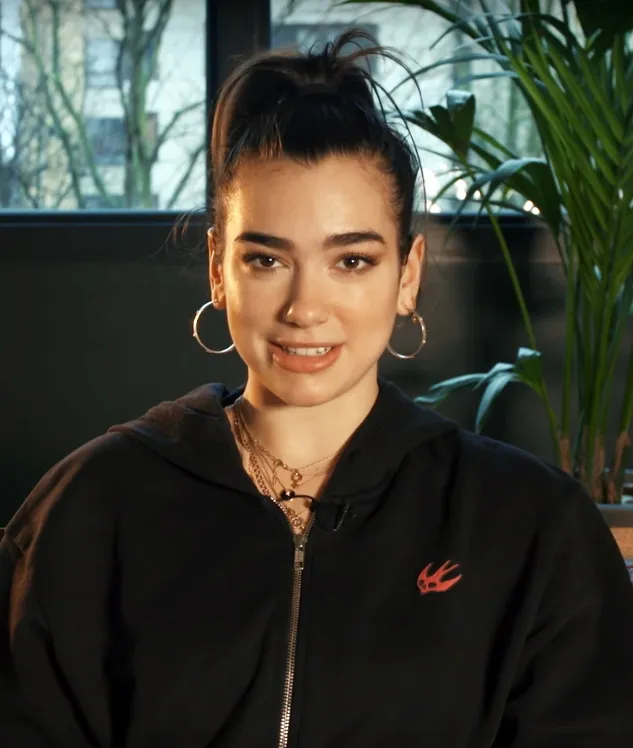
From the Zilker Park Stage to the Big-Box Aisle
The image fueling this multi-million dollar firestorm dates back to a career-high moment in October 2024. Lipa was headlining the Austin City Limits (ACL) Music Festival, turning Zilker Park into a humid, high-energy discotheque with "Training Season" and "Levitating." Somewhere between the encore and the exit, a photographer caught a candid, high-fashion glimpse of the singer in her element. It was supposed to be a piece of tour history, a digital memory of a star at her zenith.
Instead, Lipa’s legal team contends that Samsung saw a turnkey marketing campaign. The lawsuit alleges that the company stripped the copyrighted photo and plastered it onto television boxes worldwide. The message to a consumer browsing the aisles at Costco was implicit and immediate: Dua Lipa chooses Samsung. In the hyper-controlled economy of celebrity branding, where a legitimate endorsement deal with a global pop icon can command staggering eight-figure sums, using a star’s face to move hardware for free is more than a clerical error—it’s an audacious breach of the right of publicity.
This wasn’t a quick pivot or a temporary oversight, according to the complaint. Lipa reportedly caught wind of her unauthorized gig as a "box model" in June 2025. Her reps didn’t go straight for the jugular; they initially tried to handle the matter with the kind of quiet professionalism expected at this level of the industry. They issued clear demands for Samsung to cease the usage and negotiate a settlement that reflected the market value of her image. Those warnings were met with a corporate cold shoulder. Samsung allegedly kept the boxes in circulation, leaving Lipa’s camp with no choice but to let a judge handle the choreography.
Licensing, Likeness, and the Price of Fame
That $15 million figure might sound like a headline-grabbing reach, but in the world of elite pop stardom, it’s grounded in cold, hard market math. Celebrity likeness is a finite, quantifiable asset. When a behemoth like Samsung wants a face to front a global product line, they pay for the reach, the Grammys, and the 88 million Instagram followers that come with it. Lipa’s legal team argues that Samsung essentially bypassed the ticket booth, opting to "reap the benefits of Lipa’s immense fame and reputation without her consent and without compensation."
The lawsuit points to a glaring irony: Samsung is no novice when it comes to the music industry. They’ve orchestrated massive, multi-platform campaigns with K-pop titans BTS and high-tier influencers, proving they possess a sophisticated understanding of licensing and intellectual property. By ignoring those same rules for the ACL photo, the lawsuit alleges Samsung acted with "willful disregard" for Lipa’s rights. This wasn't a startup making a mistake; it was a giant skipping the bill.
The "Loves" have already started bringing the receipts on social media. Over on X, fans began circulating photos of the Crystal UHD boxes found in the wild. "I literally saw Dua’s face on a TV box at Costco last week and thought she had a new deal," one fan noted, echoing the confusion at the heart of the suit. "To find out she wasn't even paid for it is wild." Another fan highlighted the industry's double standard: "You can't even play her music in a 30-second TikTok without a license, but a tech giant thinks they can use her face to sell TVs for a year? Not on Dua’s watch."
Defending the Brand in the Age of Radical Optimism
This battle is about more than just a paycheck; it’s about the architecture of a modern mogul. Since Radical Optimism hit the airwaves, Lipa has evolved into a curator-in-chief, overseeing her Service95 newsletter and podcast with the precision of a creative director. For an artist who has fought to own her masters and her narrative, seeing her image used as generic wallpaper on a cardboard box is a fundamental violation of the brand ecosystem she has spent years building.
The legal precedent is firmly on her side. The courts have been increasingly protective of star power, with figures like Ariana Grande and Kim Kardashian successfully taking down major retailers for using their likenesses—or even convincing look-alikes—in ad copy. A celebrity’s face is their most valuable piece of property, and for Lipa, the $15 million serves as both a recovery of lost licensing revenue and a penalty for an association she never vetted.
Whether Samsung chooses to settle this quietly in a boardroom or risk a public trial remains the million-dollar question. Given the physical evidence—millions of boxes sitting in retail stores—Samsung is staring down a very difficult defense. Meanwhile, Dua Lipa remains unbothered and on the move. She’s currently prepping for the European leg of her tour, proving that she can dismantle a corporate giant in the morning and command a stadium by sunset. In this $15 million showdown, the message is clear: the price of using Dua Lipa to sell your product is officially going up.

