 THE MARQUEE
In 2011, Katy Perry wasn’t just a pop star; she was a category-five weather event. It was the height of her technicolor imperial phase, an era defined by neon shutter shades, low-res digital cameras, and a brand of sugar-rushed pop that felt mathematically engineered to pulverize the airwaves. Fast forward over a decade, and that same neon-soaked energy is proving to be indestructible. In a stunning display of staying power, Perry’s quintessential party anthem "Last Friday Night (T.G.I.F.)" has officially crashed the Billboard global charts for the first time, proving the world isn’t quite ready to wake up from the Teenage Dream.
The track, which famously served as the fifth single from her record-shattering 2010 album, has made its debut on the Billboard Global 200 at No. 196. Simultaneously, it landed at No. 198 on the Billboard Global Excl. U.S. chart. While these numbers might seem modest compared to the song's original scorched-earth run at No. 1 on the Hot 100, the context is everything. The Billboard Global charts didn’t even exist when Perry was originally duct-taping herself into her braces-wearing alter ego, Kathy Beth Terry. This isn't just a nostalgia trip fueled by millennials clutching their old iPod Nanos; it’s a data-backed confirmation that a new generation of listeners is discovering Perry’s back catalog with the same fervor that defined her peak dominance.
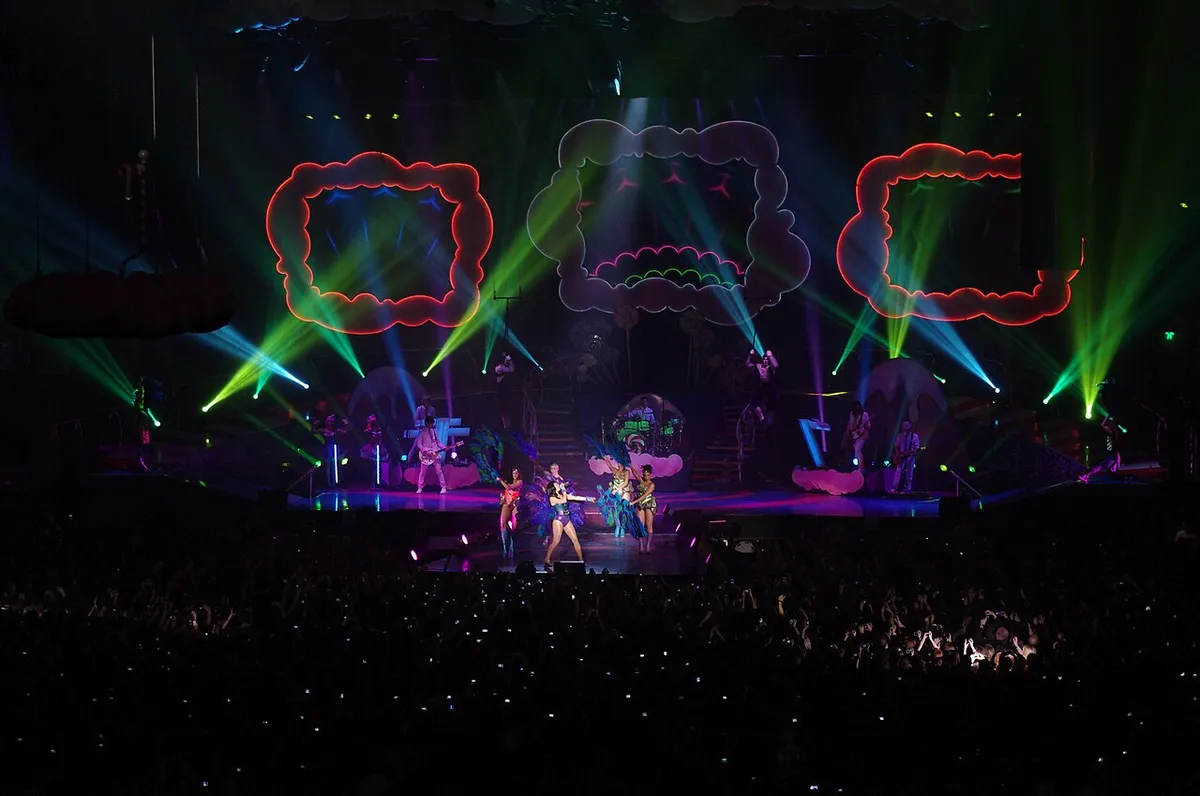
The Viral Resurrection of Kathy Beth Terry
The catalyst for this sudden chart re-entry isn't a high-budget marketing blitz or a Super Bowl-sized spectacle. Instead, it’s the organic, chaotic engine of TikTok and Instagram Reels. For months, Perry’s discography has been bubbling under the surface of the zeitgeist. It began with the heartbreaking resonance of "The One That Got Away," which became the default soundtrack for "sad girl" edits and romantic longing. But as the internet’s mood shifted toward a more chaotic, hedonistic "2010s party girl" aesthetic, "Last Friday Night (T.G.I.F.)" was the inevitable successor to the throne.
Fans are flocking to the sound to document their own weekend exploits, meticulously recreating the song's legendary music video vibes. That visual—a six-minute mini-movie featuring Perry as the awkward, headgear-wearing Kathy Beth Terry—captured a moment in time where pop music didn't take itself too seriously. Featuring cameos from Rebecca Black, the cast of Glee, and even sax legend Kenny G, the video was a masterclass in high-camp maximalism. Today’s Gen Z audience, currently obsessed with "indie sleaze" and the unpolished fun of the early 2010s, has found a kindred spirit in Perry's geeky alter ego. The aesthetic isn't just a throwback; it's a lifestyle.
Social media is currently flooded with comments from fans realizing the absolute chokehold Perry once had on the industry. "We really took 2011 Katy Perry for granted," one viral tweet read, garnering over 50,000 likes. "The hits were back-to-back, no skips, just pure pop perfection." This sentiment is reflected in the streaming numbers reported by Forbes, which indicate that the song’s resurgence is part of a broader trend where legacy hits from the late 2000s and early 2010s are outperforming current Top 40 releases in daily recurring streams. Perry isn't just competing with her past; she's competing with the present and winning.
Max Martin Synths and the Architecture of a Permanent Party
To understand why a 13-year-old song about a blackout party is suddenly a global contender again, you have to look at the architectural integrity of Teenage Dream. When Capitol Records released the album in August 2010, nobody could have predicted it would eventually tie Michael Jackson’s Bad for the most No. 1 singles from a single album. Perry was a hit machine, working alongside pop architects like Max Martin, Dr. Luke, and Bonnie McKee to create a sonic landscape that was bright, loud, and incredibly sticky.
"Last Friday Night (T.G.I.F.)" was the peak of that high-gloss formula. It’s a song built on a foundation of 80s-inspired synths and a saxophone solo that has no business being that catchy. It captures a specific sense of youthful recklessness—the "maxed out credit cards" and "pictures of last night ended up online"—that feels remarkably relevant in an era of TikTok transparency and permanent digital footprints. For the fans who lived through its first run, it’s a shot of pure dopamine; for those hearing it for the first time, it’s a high-energy alternative to the often moodier, mid-tempo landscape of 2024 pop. It’s a sonic middle finger to the quiet-quitting of pop music.
Industry analysts are noting that Perry’s catalog is particularly well-positioned for the streaming era. Her songs are characterized by high "re-listenability" and immediate emotional hooks. According to data from Luminate, Perry’s daily stream counts have seen a significant uptick across her entire Teenage Dream and Prism eras. This isn't a flash in the pan; it's a structural re-evaluation of her career. As artists like Taylor Swift and Beyoncé continue to dominate by revisiting their past "eras," Perry is benefiting from a similar retrospective lens, even without a formal re-recording project to drive the narrative.
There is an undeniable craving for the "maximalist pop" that Perry perfected. In a landscape that has been dominated by the minimalist "whisper-pop" of the late 2010s and the introspective singer-songwriter vibes of the early 2020s, the sheer audacity of a song like "Last Friday Night" feels revolutionary. It’s loud, it’s colorful, and it’s unashamedly fun. This "joy-seeking" behavior among listeners is a well-documented post-pandemic phenomenon, and Perry’s catalog is the ultimate goldmine for it.
The chart entry of "Last Friday Night (T.G.I.F.)" also comes at a pivotal moment for Perry personally. As she wraps up her highly successful "PLAY" residency at Resorts World Las Vegas and fuels rumors of a massive musical comeback with her upcoming sixth studio album, this organic momentum is the kind of earned media that money can't buy. It reminds the public—and the industry—of her status as one of the definitive architects of the modern pop machine. The conversation on platforms like Reddit’s r/popheads has been centered on how well Perry’s production has aged. Users are pointing out that while some 2011 tracks sound dated, the crisp, polished production of the Teenage Dream tracks still holds up against modern Spotify playlists. This technical excellence, combined with the relatable narrative of a weekend gone wrong, ensures that "Last Friday Night" remains a staple at everything from college parties to wedding receptions. As the song continues to climb and potentially move higher on the Global 200, it serves as a reminder that a true pop hit never really dies; it just waits for the next trend to bring it back to the surface. Whether you're a fan of Kathy Beth Terry's headgear or just here for the saxophone solo, one thing is clear: we’re all living in Katy Perry’s teenage dream, and nobody is looking for the wake-up call anytime soon.

