 THE MARQUEE
For years, the standoff between Netflix’s data-driven empire and the old-guard majesty of the multiplex was written in blood. The streaming titan wanted your eyeballs on the sofa immediately; the theater chains demanded exclusive months of popcorn and sticky floors. But as it turns out, all it took to shatter that wall was a trip through a magic wardrobe and the undeniable prestige muscle of Greta Gerwig. In a tectonic shift that has sent shockwaves from the Silicon Valley boardrooms to the backlots of Burbank, Netflix has officially punted the release of Narnia: The Magician’s Nephew to February 12, 2027—granting the film a massive, wide theatrical window that was once considered a total non-starter for the studio.
This is no mere calendar shuffle. While the project was originally eyeing a limited Thanksgiving 2026 run—the kind of boutique release pattern given to Rian Johnson’s Glass Onion: A Knives Out Mystery—the film is now being re-engineered as a global cinematic event. By planting its flag on February 12, 2027, just as the Valentine’s Day and President’s Day weekend rush hits its stride, Gerwig’s adaptation will bask in at least 54 days of exclusive big-screen play before it ever touches the Netflix app on April 2, 2027. For a company that once treated the theatrical window like a dusty relic of the VCR era, this is a surrender to reality: when you have the director of Barbie steering a billion-dollar franchise, you don't bury it under an algorithm.
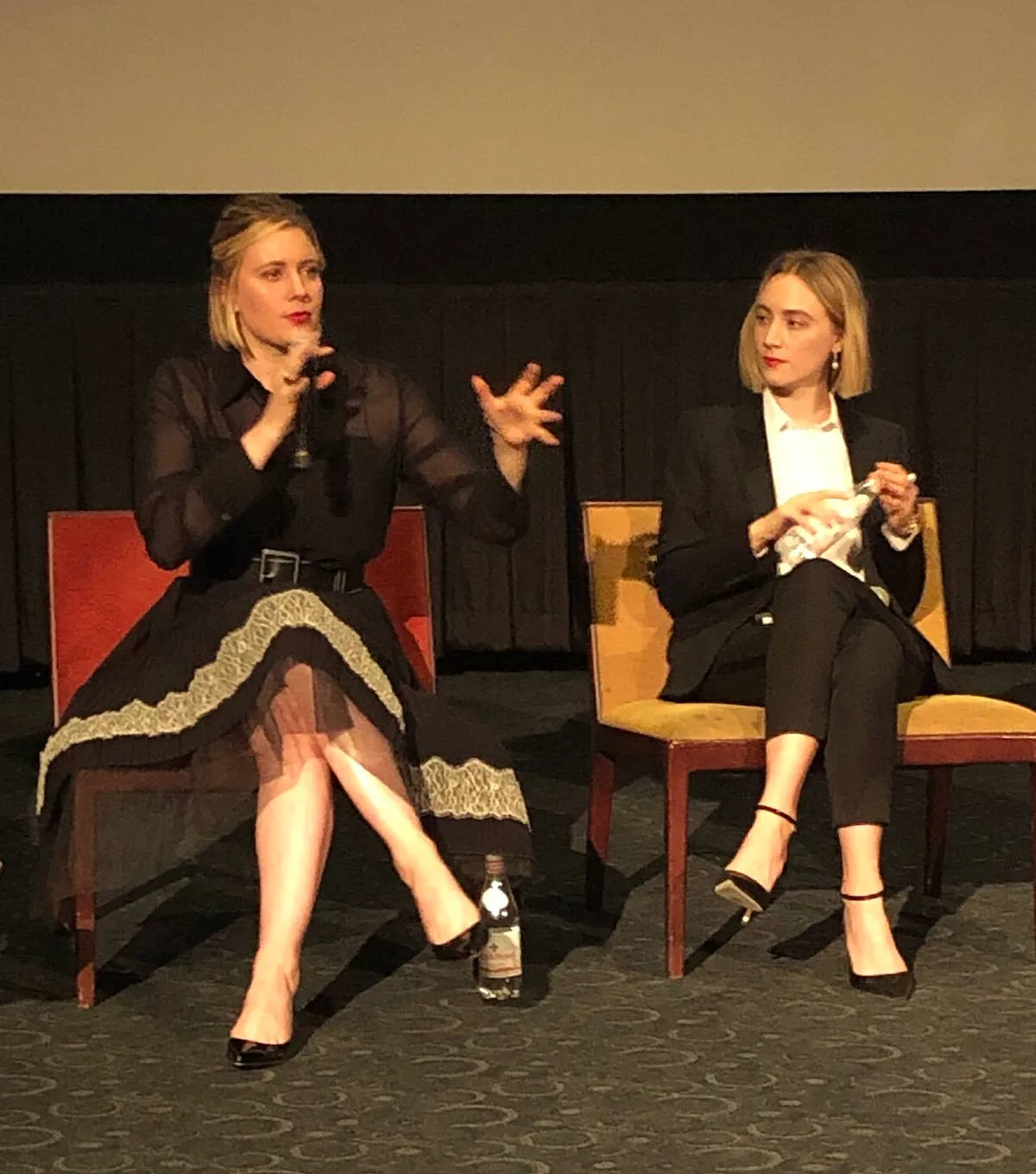
The Gerwig Effect: Why the Multiplex Was Non-Negotiable
The pivot to a wide-release strategy came from the highest altitude of the Red 'N,' following months of high-stakes internal debates led by Netflix’s Head of Film, Dan Lin, and CEO Ted Sarandos. Since Lin stepped into the shoes of Scott Stuber, the mantra has shifted from volume to "event" filmmaking. Netflix isn’t hunting for library filler anymore; they are chasing cultural currency. Sources close to the production indicate that Gerwig herself was the primary architect of this change. Fresh off the $1.4 billion cultural explosion of Barbie, Gerwig’s leverage is absolute, and she reportedly saw The Magician’s Nephew as a visual feast that demanded the immersive scale of IMAX and Dolby Cinema to truly breathe.
Exhibitors like AMC, Cineworld, and Regal are virtually doing cartwheels. For nearly a decade, these giants refused to play Netflix titles because the streamer wouldn’t budge on a sub-30-day window. This 54-day commitment flips the script entirely. It allows theaters to market the film as a bona fide blockbuster, not just a flashy trailer for a subscription service. Industry analysts at Screen Daily and The Hollywood Reporter are already branding this the "Gerwig Effect"—the reality that certain creators are now so vital to the brand's prestige that Netflix will compromise its entire business model just to keep them happy and their vision uncompromised.
The digital reaction was instantaneous and electric. "Greta Gerwig doing the origin story of Narnia in a full theater run is exactly what the movies need," one fan posted on X shortly after the IGN report broke. "Netflix finally realized they have a gold mine and they shouldn't just bury it in the algorithm." Beyond the hype, the shift signals a raw confidence in the source material. The Magician's Nephew is a prequel that lacks the instant name recognition of Lucy and the lamppost, yet Netflix is betting the house that Gerwig’s aesthetic is enough to dominate the February box office.
Charn, Magic Rings, and the Birth of an Icon
For the generation that grew up on the Walden Media films, prepare for a aesthetic reset. Instead of starting with the Pevensie children, Gerwig is digging into the very soil of C.S. Lewis’s cosmology. The Magician’s Nephew follows Digory Kirke and Polly Plummer, two kids who use enchanted rings to navigate the "Wood Between the Worlds." It’s a haunting, high-concept journey that introduces the dying, eerie city of Charn and the awakening of Jadis—the sorceress who would eventually freeze Narnia as the White Witch.
The cast is already beginning to take shape with a blend of gravitas and whimsy. What’s on Netflix confirmed that Kobna Holdbrook-Smith, a standout from Mary Poppins Returns and Wonka, has joined the ensemble as a character named Francis. While the core leads remain a closely guarded secret, Holdbrook-Smith’s involvement points toward the kind of theatrical, stage-trained energy Gerwig loves. The production is also leaning on the lore expertise of Matthew Aldrich, who was brought in to craft the creative "bible" for the Narnia universe, ensuring this first film acts as a foundation for a multi-film saga.
Visually, expect a departure from the generic CGI gloss of late-2000s fantasy. Gerwig is a devotee of the tactile; rumors from the set suggest a massive investment in practical effects and gargantuan, physical sets. By starting with the prequel, Gerwig isn't just retelling a story—she's defining the physics of Narnia, from the creation of Aslan’s world to the reason a Victorian lamppost exists in a snowy woods. It’s a bold creative play that prioritizes world-building over cheap nostalgia.
The 54-Day Gambit: A New High-Stakes Era
The February 12, 2027, date is a stroke of strategic brilliance. Long ago, February was where studios sent movies to die, but Black Panther and Deadpool proved that audiences will show up in the dead of winter for a true event. By steering clear of a bloated Thanksgiving 2026 corridor—crammed with Disney behemoths and awards-season heavyweights—Netflix is giving Narnia the oxygen it needs to roar. That 54-day window means the film will have two full months to stack cash before it lands on the platform on April 2, 2027, perfectly timed for the spring break streaming surge.
This isn't just about the money; it’s about the hardware. A wide theatrical release with a significant window is the golden ticket for a serious Oscar campaign. Gerwig is an Academy darling, and by giving The Magician's Nephew a traditional rollout, Netflix is telling voters this is high art, not just "content." The reaction from theater owners is a mix of relief and triumph. "A 54-day window for a film of this magnitude is a win-win," a representative for a major European cinema chain told Screen Daily. "It respects the theatrical experience while acknowledging the reality of the streaming era."
As 2027 looms, the pressure on Gerwig is immense. She’s tasked with resuscitating a franchise that has seen both the $745 million highs of 2005 and the diminishing returns of 2010. But with Netflix’s marketing bazooka and a guaranteed seat at the global box office table, the road back to Narnia is paved with gold. The wardrobe is swinging open, and this time, the whole world is invited to watch on the biggest screen possible. If Gerwig can capture the same lightning she found in Barbie, the 2027 box office might just find itself under a very profitable permanent winter—the kind where Christmas actually arrives early at the bank.


