 THE MARQUEE
Madison Square Garden usually vibrates with a very specific, high-octane brand of pop hysteria when Harry Styles is in the building—a dizzying ecosystem of pink feather boas, blinding sequins, and 20,000 screaming fans. But on Friday night, September 11, 2026, that technicolor carnival came to a dead, spine-chilling halt.
Marking the 25th anniversary of the September 11 terrorist attacks, the British superstar looked out at an arena he has essentially adopted as his second home over the last few years and chose reverence over pop spectacle. Bathed in a solitary, soft spotlight, the Gucci-clad showman paused the high-energy setlist to offer something raw, vulnerable, and completely unscripted, leaning into the heavy silence of a city that long ago claimed him as an honorary New Yorker. He wasn't there just to power through the radio hits; he was there to bear witness to the enduring resilience of Manhattan.
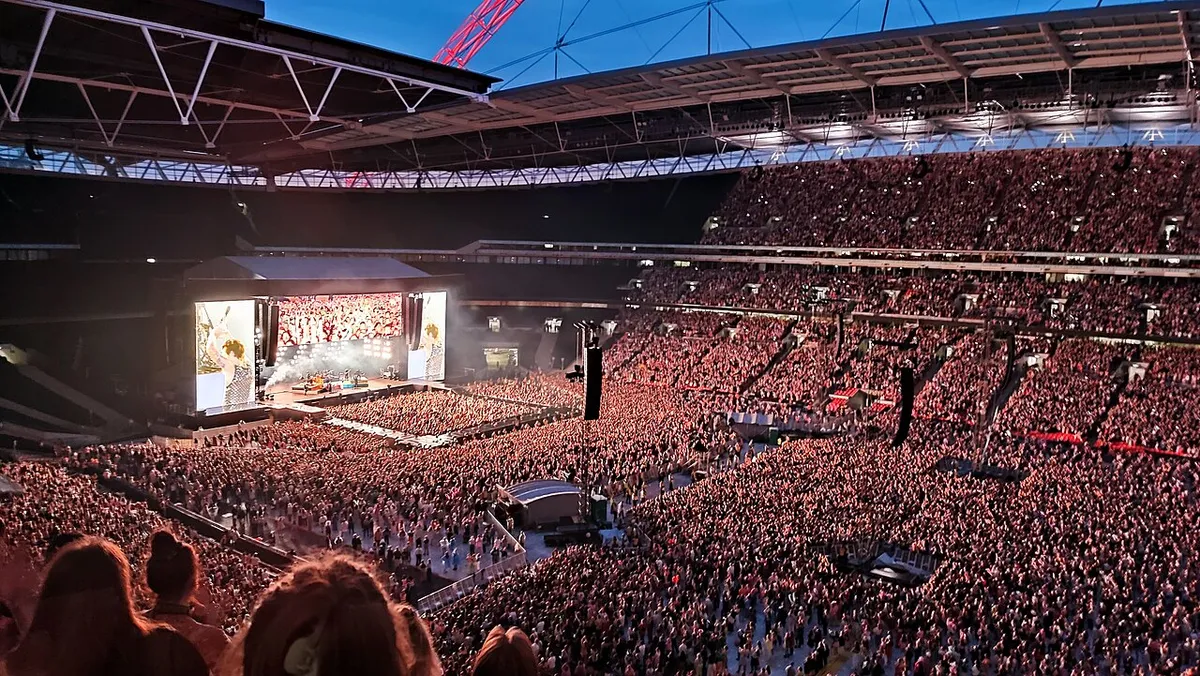
The Night the Pop Spectacle Stopped
The shift in the room was instant, almost visceral. Just moments before, the arena had been a swirling, neon mass of cowboy hats shaking to the funky bassline of "Music for a Sushi Restaurant." Then, the music cut. According to reports from Us Weekly and The Mirror US, Styles stepped up to the microphone not as a distant pop god, but as a resident of the city, addressing the crowd with a quiet, undeniable authority about the trauma that still lives in the bones of New York.
"I know how difficult today is for so many people in this city and around the world," Styles told the sold-out room, his voice echoing cleanly through the rafters. He refused to rush his words. Instead, he allowed the stark silence of the arena to act as a communal embrace, reminding everyone present that while the world has spun forward, the memory of those lost remains an indelible part of the fabric of New York City.
The eerie, emotional gravity of the room immediately rippled across the internet. One fan on X (formerly Twitter), @StylesFan28, perfectly captured the surreal atmosphere: "I’ve been to twenty shows at MSG, and I have never, ever heard it this quiet. You could hear a pin drop. Harry really knows how to make 20,000 people feel like they're the only ones in the room." Within minutes, similar clips flooded TikTok and Facebook, capturing a global superstar stripping away the stadium theater for something entirely human.
From a Seven-Year-Old in Holmes Chapel to the Rafters of MSG
What elevated the moment from a standard arena tribute to a profound piece of shared storytelling was how Styles contextualized the tragedy. He didn’t pretend to have a lifelong New York pedigree; instead, he took the audience back to his childhood in the sleepy English village of Holmes Chapel. He was just seven years old on that clear Tuesday morning in 2001, a stark reminder of how the shockwaves of 9/11 ripped across the Atlantic to alter the lives of children worldwide.
"I remember being seven years old and watching it happen from so far away, not fully understanding what it meant, but knowing the world had changed forever," Styles mused. By sharing this unfiltered childhood memory, he bridged the gap between his own upbringing and the experience of his fans, many of whom were also toddlers or not yet born when the Twin Towers fell. It stripped away the celebrity veneer, leaving only a man standing on a stage in a city he loves, honoring a history he deeply respects.
This wasn’t a glossy, PR-engineered beat calculated for applause. It felt deeply personal, spoken by a man whose permanent residency banner hangs proudly in the Garden's rafters after a historic, record-breaking 15-night run. Because of that genuine connection, his words carried the emotional weight of a local rather than a touring visitor. He spoke of New York’s legendary resilience not as an analytical outsider, but as someone who has soaked in the city’s grit and grace firsthand.
A Meditative Masterstroke: Bill Evans' "Peace Piece"
Rather than pivoting back to the explosive joy of his catalog, Styles doubled down on the stillness. He brought out a member of his band to center stage for an unexpected, deeply moving instrumental tribute: a performance of legendary jazz pianist Bill Evans’ landmark 1958 composition, "Peace Piece." Known for its modal, ambient beauty, the track acted as a pure sonic balm.
It was a brilliant, risky piece of curation for a massive pop tour—demanding that 20,000 hyped-up fans sit in near-total silence for an avant-garde jazz instrumental. But the gamble hit perfectly. As the arena screens displayed simple, understated, and respectful visuals, the crowd held its collective breath. No fireworks, no anthemic crescendos—just pure, shared reflection that honored the 25th anniversary with far more dignity than any grand stadium spectacle ever could.
By the time the final, lingering piano chords dissolved into the rafters, tears were visible across the floor. The evening crystallized Styles' ongoing evolution from a boy-band graduate into a vital cultural anchor who understands how to hold space for communal grief. When the house lights stayed dim and the show eventually slid back into its regular programming, the atmosphere had permanently shifted. This wasn't just another stop on a stadium tour; it was a rare, 25-years-in-the-making moment of collective healing that will stand as a defining milestone in Harry Styles’ career.


