 THE MARQUEE
Sting doesn’t just write songs; he exorcises ghosts. For the better part of a decade, the 17-time Grammy winner has been obsessively fueling a massive steel vessel made of memory and music, refusing to let the project sink even when the Broadway tide turned against it.
This isn’t just a show. It is The Last Ship, a sprawling, soulful epic that has become the creative north star of Sting’s later career. In a revealing sit-down with CBS News, the rock icon looked back on a journey that has seen the production endure bruising Broadway storms and find its sea legs in the gritty industrial theaters of the UK, continuing its evolution as a prestigious creative milestone.
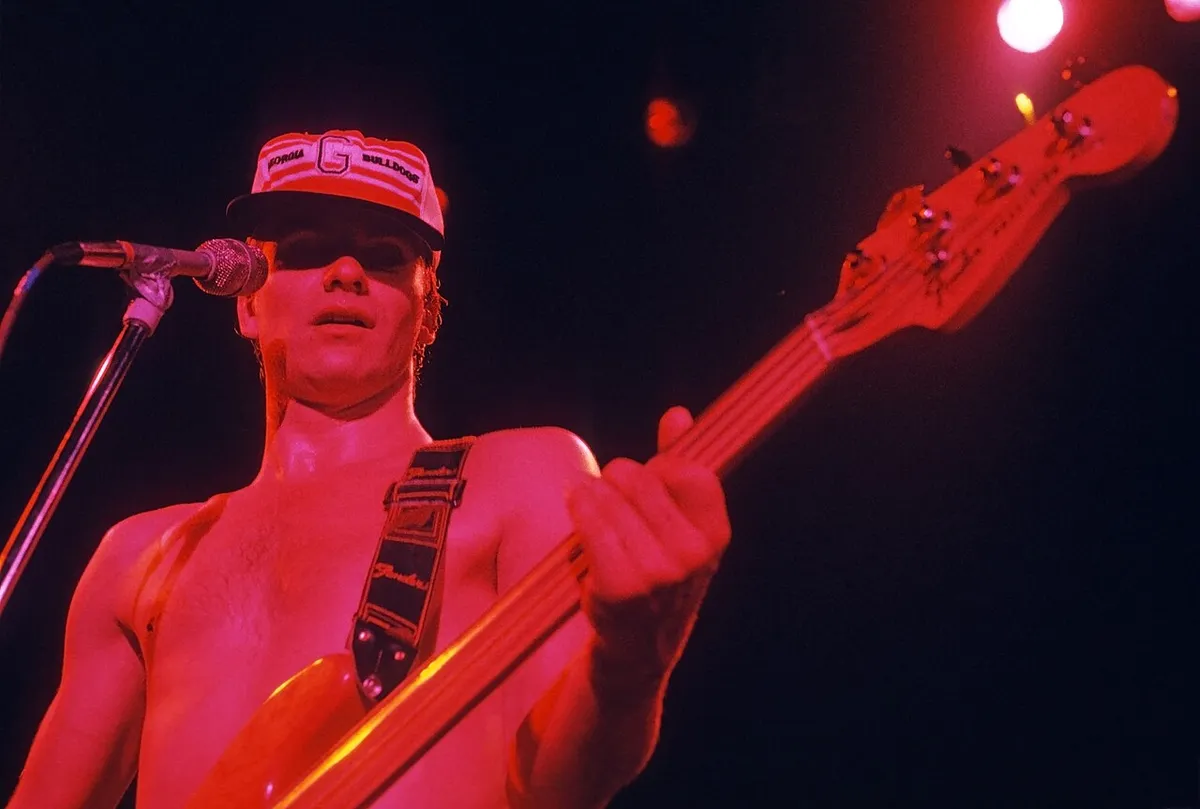
Watching Sting talk about this project is like watching a man describe his first love—there’s an ache in the telling. A raw, North-of-England rasp surfaces the moment he mentions his roots in Wallsend. For Sting, the story of shipyard workers fighting to build one final, defiant vessel isn’t a fiction he picked up at a table read; it’s the blueprint of his DNA. He grew up on a street that literally hit a dead end at a shipyard wall. Every morning, thousands of men would march past his front door to assemble monolithic structures that were, at the time, the largest things ever moved by human hands. "I thought, 'This is my future,'" Sting told CBS News’ Anthony Mason, recalling the terrifying, awe-inspiring sight of those massive hulls blocking out the sun and swallowing the horizon.
The musical originally docked on Broadway in 2014 at the Neil Simon Theatre. Despite a hauntingly beautiful score featuring tracks like "Island of Souls" and "Dead Man's Boots," the show struggled to catch fire with the high-gloss tourist crowds looking for easy escapes. Sting, never one to let a project go down with the ship, famously laced up his own work boots and joined the cast in late 2014 to jumpstart ticket sales, stepping into the role of Jackie White. While the Broadway run ended after three months, the artist simply refused to let the story die. He spent the next several years refining the narrative, taking it directly to the people who understood it best—the industrial heartlands of Northern England.
The Boombastic Detour: How Shaggy Saved the Ship
One of the most surreal chapters in the survival of The Last Ship involves a man most fans wouldn't associate with a Newcastle shipyard: Shaggy. The "It Wasn't Me" singer and the former Police frontman became an overnight sensation as a duo, winning a Grammy for their collaborative album 44/876. While that partnership looked like a whimsical detour to the outside world, Sting credits his time with the reggae legend as a period of massive creative rejuvenation. It gave him the stamina he needed for the grueling world of theater.
The duo’s chemistry was infectious. It provided Sting with a different kind of stage energy—one that was loose, improvisational, and unapologetically joyful. Fans on social media still pass around clips of the two performing, marveling at the bizarrely perfect blend of Kingston rhythms and British rock. This friendship wasn't just about topping the charts; it was about two veteran artists reminding each other why they do this in the first place. "I'm a very serious person, and he's not," Sting joked during his CBS interview. Shaggy helped him find the levity and balance necessary to keep pushing forward with the heavy, emotionally taxing themes of the shipyard story.
This lighthearted detour fortified his resolve to bring his musical back to New York. The contrast between the sun-soaked rhythms of his Shaggy collaboration and the grey, industrial atmosphere of The Last Ship highlights Sting's refusal to be pigeonholed. He isn't just a rock star; he's a storyteller who is just as comfortable in a Jamaican dancehall as he is in a Newcastle pub. He took the lessons learned on a global tour with Shaggy and applied a fresh, vital perspective to the staging and emotional resonance of his musical's latest iteration.
Man vs. Machine: A Manifesto for the Human Soul
Sting’s recent reflections carry a new, sharper edge: a story about 1980s industrial decline has suddenly become a mirror for the 2020s tech anxiety. In his conversation with CBS, Sting didn't mince words about the rise of Artificial Intelligence in the creative arts. He sees the struggle of the shipbuilders—men whose skilled manual labor was deemed obsolete by a changing world—as a direct parallel to the modern artist’s battle against the algorithm. "The building blocks of music belong to us," Sting famously told the BBC. He is adamant that while a machine can mimic a melody, it can never replicate the lived human experience or the 'blood on the tracks' that makes art actually matter.
This thematic shift has given The Last Ship a sudden, electric sense of urgency. When the show first premiered, critics viewed it as a nostalgic look back at a dying industry. Now, as AI threatens to automate everything from songwriting to journalism, the musical feels like a manifesto for the preservation of human craft. The characters in the play aren't just fighting for a paycheck; they are fighting for their identity and the fundamental right to say, "I made this with my own hands."
Industry insiders are already noting that this resonance is why the production continues to generate such massive buzz. Bringing a story about the working class into hallowed theatrical spaces creates a powerful, necessary friction. It’s a statement that these stories deserve the highest possible platform. Social media reactions have been white-hot, with fans praising Sting's commitment to the "human element." One fan on X noted, "Sting isn't just fighting for his play; he's fighting for every artist who is worried a computer is going to take their soul."
As the legacy of the project continues to grow, the stakes for Sting feel higher than they did a decade ago. This isn't just about a successful run or a box office win. It’s about a 74-year-old icon proving that a story built on real memories, real sweat, and real human connection is more powerful than anything a machine can generate. Sting has been steering this ship for ten years, and as it continues to find new life, he seems more convinced than ever that the voyage was worth every struggle along the way.
The performances aren't just a victory lap. They are a call to arms for creators everywhere to reclaim the tools of their trade and remember that the most important part of any art is the person behind it. When the first notes of the title track ring out, it won't just be a song about a boat—it will be a celebration of the enduring, unshakeable human spirit.


