 THE MARQUEE
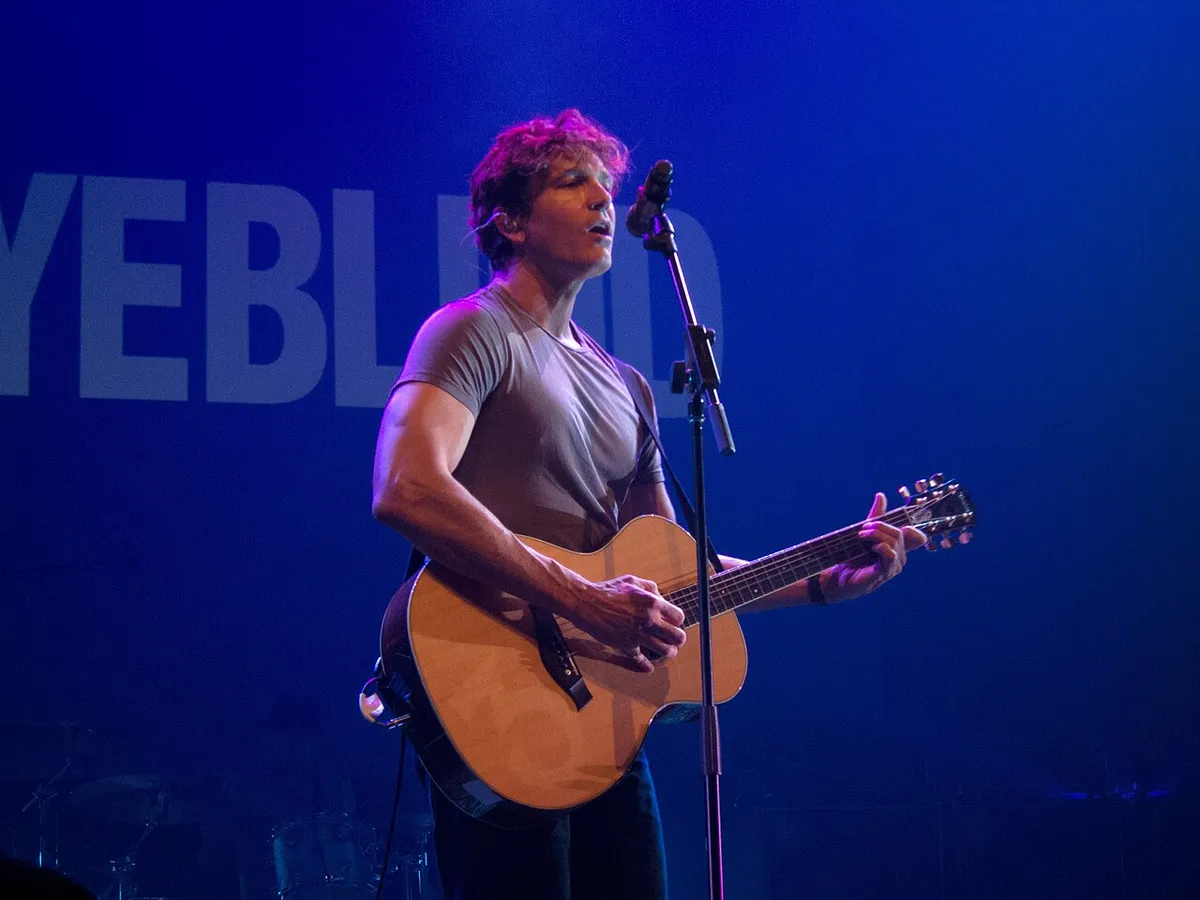
Picture the Empire Polo Club in Indio this weekend: a shimmering heat haze, a sea of vintage Stetson hats, and enough Lucchese boots to outfit a small cavalry. But as the sun begins its slow, bruised-orange descent over the San Jacinto Mountains this Sunday, April 26, the expected Nashville twang is going to collide with something much more propulsive. At 6:45 p.m. sharp, Stephan Jenkins and Third Eye Blind will take the stage, delivering a career peak that feels less like a dusty nostalgia trip and more like a high-octane rebirth. This isn't just another heritage act cashing a festival check for the 40-somethings; this is a band riding a massive, algorithm-defying wave of cultural relevance that has stitched together Gen X and Gen Z in a way no one—especially not the critics—saw coming.
In a candid conversation with the Los Angeles Times ahead of the desert dust-up, Jenkins sounds like a man marveling at his own second act. He described a palpable shift in the atmosphere at their recent shows, where the barricades are no longer guarded solely by the die-hards who bought their self-titled debut on CD back in ’97. Instead, the front rows are a vibrating mass of teenagers who discovered the frantic, jagged energy of "Semi-Charmed Life" through a smartphone screen. The band’s Spotify presence has effectively detonated, fueled by a chaotic stream of TikTok trends that have transformed Jenkins’ machine-gun lyricism into the essential soundtrack for millions of short-form vignettes.
The Golden Hour and the New American Sound
The 6:45 p.m. slot at a titan like Stagecoach is the industry’s "Golden Hour"—that high-stakes sliver of time where the lighting turns cinematic and the day’s exhaustion flips into pure adrenaline. For Third Eye Blind, it’s a moment to assert their permanence. While Stagecoach has long been the fortress of country music, the decision by Goldenvoice organizers to slot 3EB alongside heavyweights like Post Malone, Cody Johnson, and Lainey Wilson reflects a daring expansion of the "American music" canon. Jenkins told the Los Angeles Times that the band feels perfectly synced with this lineup, arguing that their catalog has always been rooted in a specific brand of Californian yearning—a sun-drenched, melancholic ache that ignores genre boundaries.
The digital trail leading to the desert is already glowing. On X, the platform formerly known as Twitter, the road-trip playlists are dropping like manifestos, with anthems like "Jumper" and "How’s It Going To Be" appearing right next to the latest Nashville chart-toppers. Sarah Miller, a 22-year-old fan from San Diego, captured the vibe in a post that went viral: "I’m going to Stagecoach for Post Malone, but I’m staying for Third Eye Blind. 'Semi-Charmed Life' is literally the song of the summer and it’s 2026." The data backs up the hyperbole. The band’s Spotify monthly listeners have surged to new heights this year, consistently topping 10 million—a staggering feat for a group that first conquered the airwaves nearly thirty years ago.
Don't expect a sleepy greatest-hits set, either. The preparation for this performance has been a grind. Jenkins noted that the band has been obsessively tightening their live arrangements to meet the stadium-sized expectations of the Stagecoach main stage. They aren't just showing up to mimic the radio edits; they want something visceral. The current lineup, anchored by long-time powerhouse drummer Brad Hargreaves, has spent weeks in the rehearsal room, sharpening a sound that marries their alternative-rock DNA with the sheer scale of a desert festival crowd.
The Viral Alchemy of independence
The engine behind this second wind is, undeniably, the strange magic of TikTok. Jenkins admitted to the Los Angeles Times that he wasn’t exactly lurking on the app early on, but he’s become fascinated by how a new generation has hijacked his work. The iconic "do do do" hook from "Semi-Charmed Life" has become a universal digital shorthand, used for everything from high-gloss travel vlogs to messy lifestyle reveals. It’s a phenomenon that has introduced the band to an audience that wasn’t even a thought when the song was on heavy rotation on MTV.
This digital explosion hasn't just padded their streaming stats; it has fundamentally rewired the energy of their live shows. Jenkins spoke of the "pure, unadulterated energy" of these younger fans, who scream the lyrics to "Motorcycle Drive By" with a fervor usually reserved for a fresh Top 40 debut. There is a sense of genuine discovery in the air that prevents Third Eye Blind from becoming a museum piece. They are living, breathing proof that a masterfully crafted hook and an unapologetic lyric can survive any technological upheaval.
Crucially, the band’s survival is a testament to their independence. Jenkins has spent decades as a fierce advocate for artists owning their masters and maintaining a tight grip on their creative destiny. By operating outside the traditional machinery, Third Eye Blind has the agility to pivot instantly, embracing new platforms and opportunities—like this Stagecoach residency—without waiting for a green light from a major label boardroom. That independence is exactly what paved the way for a high-profile, fast-tracked collaboration with Amazon Music just in time for festival season.
Reimagining 'Heroes': The Bowie Connection
As the centerpiece of their partnership with Amazon Music, Third Eye Blind recently hit the studio with Elle King to cut a cover of David Bowie’s legendary anthem "Heroes." The track is timed to drop as the festival gates swing open, and the early industry buzz suggests it’s a total reinvention—a radical departure that somehow maintains the band's signature, soaring grit. Jenkins didn't take the task lightly, telling the Los Angeles Times about the immense pressure of covering Bowie, an artist who has served as his creative North Star. He described the session as a hunt for that "triumphant desperation" that made the 1977 original a masterpiece.
This isn't a mere marketing gimmick. The "Heroes" cover is set to be the emotional heart of their Sunday set. Amazon Music’s heavy investment here underscores the massive commercial gravity Third Eye Blind still possesses; they remain one of the few legacy acts capable of anchoring a major brand campaign alongside modern titans. The track is being positioned as a bridge between the classic rock pantheon and the modern indie-rock sensibility Jenkins has always championed. For a band that was once dismissed by 90s purists for being "too poppy" while simultaneously being too dark for the mainstream, this moment feels like a final, loud-as-hell validation.
As the countdown to 6:45 p.m. begins, the atmosphere in Indio is electric. Third Eye Blind is no longer a 90s relic; they are a vital, loud, and incredibly present force in the 2026 musical landscape. Armed with a Bowie reimagining and a legion of TikTok-savvy fans ready to lose their minds, Stephan Jenkins is set to prove that the best way to honor the past is to set it on fire and play it louder than the desert wind. The golden hour is coming, and it belongs to them.


