 THE MARQUEE
Your favorite morning coffee playlist feels like a personal gift from the algorithm, a curated vibe tailored specifically to your soul—but the reality might be a lot more transactional. Texas Attorney General Ken Paxton just dropped a legal nuclear bomb on the streaming giants, alleging that the songs soundtracking your life are often there because of a secret toll, not a spark of genius. On April 22, 2026, Paxton’s office officially ignited a sprawling, high-stakes investigation into the heavyweights of the digital era: Spotify, Apple Music, Amazon Music, YouTube Music, and Pandora. This isn't some dry regulatory audit; it is an all-out offensive against what Paxton describes as a modern-day payola scheme that manipulates listeners and buries independent talent under the crushing weight of undisclosed bribes.
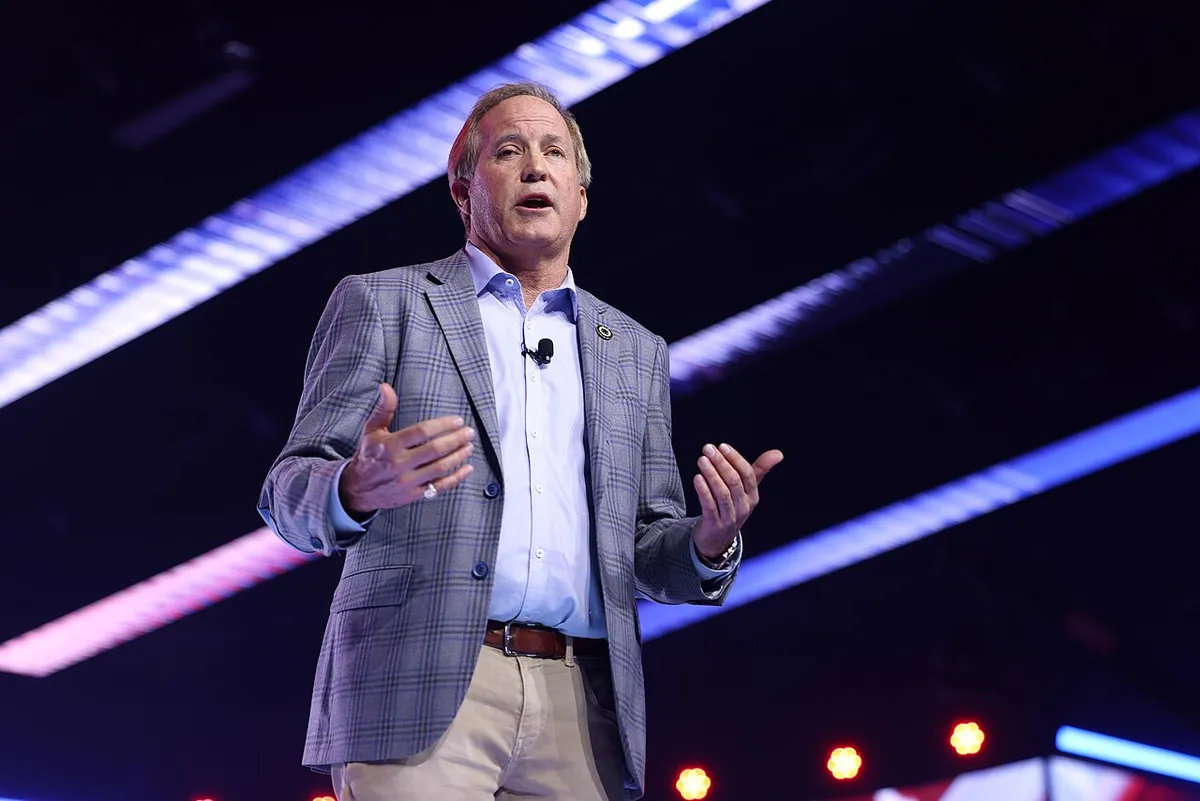
At the heart of this confrontation are the Civil Investigative Demands (CIDs) served to these five tech titans. Paxton isn’t pulling any punches regarding the motivation behind the probe. The Attorney General alleges that these platforms have been pocketing secret payments or financial kickbacks to artificially juice the visibility of specific songs and artists. Under the Texas Deceptive Trade Practices Act, this brand of pay-to-play environment—when hidden from the public—is a direct assault on consumer rights. As Paxton himself put it in a scathing statement, "Music artists deserve to compete on a level playing field, not one distorted by bribes, and listeners deserve transparency in what they are being recommended. ... I will ensure that if any big streaming service is accepting bribes to push certain content and deceive users, they will be held accountable."
The Payola Evolution: From Briefcases to Bitrates
The music industry has always had a messy, complicated relationship with payola, a ghost that has haunted the charts since the 1950s when radio DJs were famously greased with cash and Cadillacs to spin certain records. While those mid-century scandals triggered congressional hearings and iron-clad federal laws, the digital age has allowed these dark arts to evolve into something far more sophisticated, shadowy, and difficult to pin down. In today's ecosystem, the "bribe" isn't always a briefcase full of non-sequential bills; frequently, it is a strategic surrender of royalty rates. Paxton’s investigation is zeroing in on precisely how these "Discovery Mode" features and algorithmic boosts function behind the scenes, turning the recommendation engine into a storefront.
Spotify’s Discovery Mode, which hit the scene in late 2020, has long been a lightning rod for this exact brand of vitriol. The program allows labels and artists to flag tracks they want the algorithm to prioritize in exchange for accepting a lower royalty rate for those specific streams. To the casual listener, a song appearing in a "Radio" or "Autoplay" queue feels like a serendipitous discovery based on personal preference. In reality, it might be the cold result of a financial trade-off. Paxton’s investigation seeks to rip the curtain back on whether these arrangements are properly disclosed to the millions of Texans who shell out monthly subscription fees. The demand for documents is massive, forcing companies to hand over internal memos and contracts that detail exactly how promotional real estate is sold and which major labels are buying up the prime digital acreage.
The industry response has been a cocktail of tight-lipped silence and mounting dread. While Spotify and Apple have yet to unleash their legal teams for a full public defense, the markets are already twitching. According to reports from Seeking Alpha and Investing.com, investors are laser-focused on the potential for staggering fines and forced pivots for business models that have grown addicted to these high-margin promotional tools. If Texas successfully argues that these practices constitute consumer fraud, it could set a massive precedent, forcing every streaming service to slap a "sponsored" label on tracks as clearly as a Google search ad or a promoted post on X.
Gatekeepers and Ghostwriters: The High Cost of the Digital Shuffle
For the average fan, the convenience of streaming has always carried a silent, implicit promise: the platform works for you. But for independent artists—the ones grinding in Austin’s dive bars and home studios—the allegations coming out of Paxton’s office feel like a long-awaited validation of their deepest suspicions. The "middle class" of musicians, those lacking the institutional muscle of a major label like Universal Music Group or Sony Music, find themselves systematically choked out of the very algorithms that were supposed to democratize the industry. When a major label can simply opt into a lower royalty rate to ensure their star stays at the top of your personalized mix, the indie artist who needs every fraction of a cent is effectively erased from the conversation.
This creates a toxic feedback loop where the richest players get the most ears, and the algorithm becomes a plaything for the highest bidder. Paxton’s probe isn't just picking on Spotify; it’s digging into Pandora’s Artist Marketing Platform and the opaque logic driving Amazon and YouTube Music. The goal is to determine if these platforms have rigged the game, creating an uneven playing field that punishes smaller creators. By demanding a full accounting of the financial ties between the platforms and the "Big Three" labels, the Texas AG is asking the ultimate question: Is the most popular music actually popular, or is it just the most heavily funded?
Social media is already vibrating with fans who feel cheated by the prospect of a curated lie. On X, users are posting screenshots of their "Daily Mix" playlists, suddenly suspicious that their favorite new finds were actually just paid placements. One user summed up the mood perfectly: "I always wondered why that one song I skip every single time keeps haunting my shuffle. Now we might finally see the receipts." This public outcry is exactly what Paxton is mobilizing—a deep-seated distrust of the black-box algorithms that now govern our culture.
The stakes for Apple, Amazon, and Google go far beyond a slap on the wrist. These are brands built on the gospel of user experience and loyalty; being branded as "deceptive" in a state the size of Texas is a PR catastrophe and a legal quagmire. The Texas Deceptive Trade Practices Act is a formidable weapon, allowing the state to hunt for significant civil penalties and, more crucially, permanent injunctions that could force these companies to overhaul their interfaces. If Texas wins this fight, we might soon see a "Promoted" tag next to songs, a move that would fundamentally break the illusion of the seamless, organic discovery experience.
Legal analysts tracking the case on MarketScreener and GuruFocus note that Paxton has a track record of swinging at Big Tech, having previously gone after Google over privacy and advertising transparency. This investigation is the next logical step in a broader war against the perceived arrogance of Silicon Valley. By framing payola as a consumer protection crisis rather than a niche industry squabble, Paxton is positioning the state as the final defender of the listener’s ears and wallet. As the legal demands land at headquarters from Cupertino to Stockholm, the entire music world is bracing for impact. We are staring down a total recalibration of the digital music economy—one where the labels and the platforms might finally lose their grip on the deck.


