 THE MARQUEE
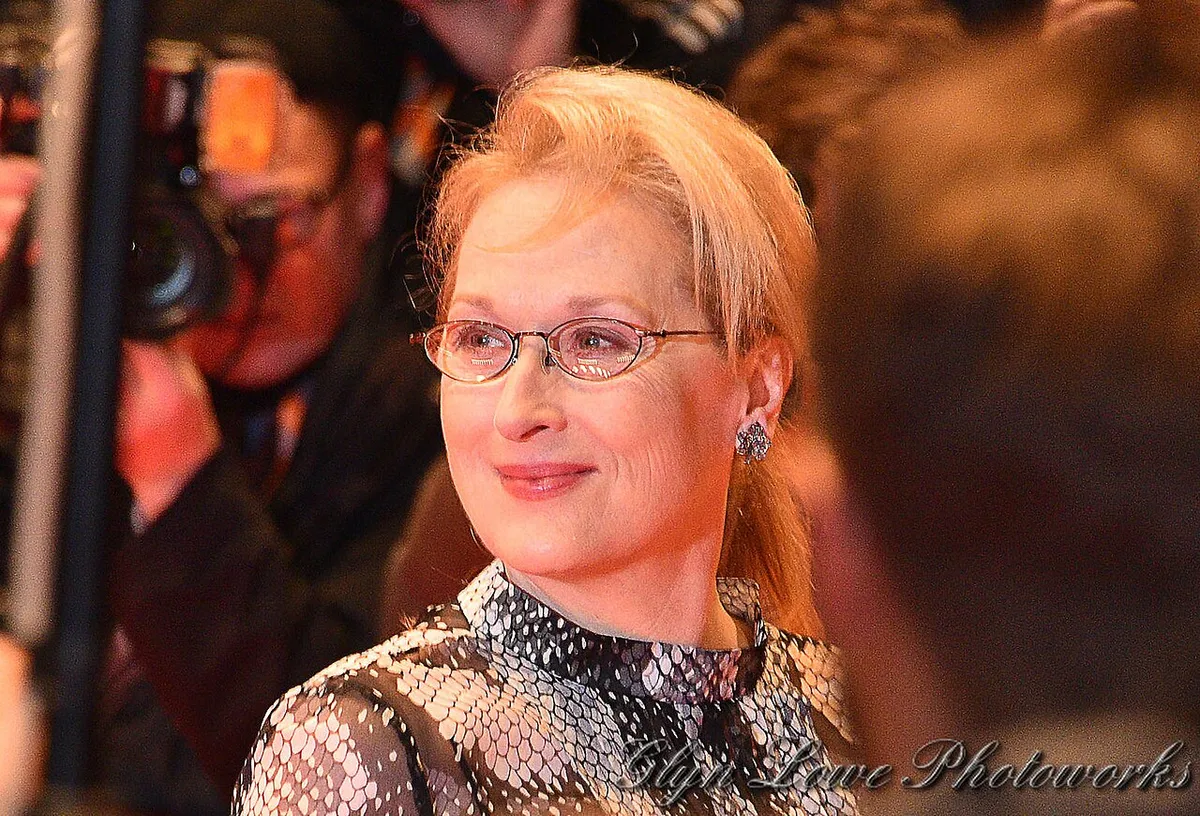
Meryl Streep doesn’t just occupy a room; she dictates its climate. When the woman who turned a cerulean sweater into a sermon on global hegemony calls the current state of cinema “boring,” the industry doesn't just listen—it ducks for cover. This week, while sitting down for the Hits Radio Breakfast Show to talk up the long-awaited return of The Devil Wears Prada 2, Streep bypassed the usual promotional fluff to deliver a high-altitude critique of the studio system. At 76, looking every bit the sovereign of the screen, she didn’t just poke at the status quo; she took a flamethrower to the industry’s obsession with capes, describing the modern “Marvel-ized” landscape as a creative wasteland.
The comment hit the internet like a seismic event, rattling both the Marvel Cinematic Universe loyalists and the arthouse crowd. Streep’s bone to pick isn’t with the actors or the pyrotechnics, but with the systematic sanding down of the human condition. She argued that the relentless tide of blockbusters has effectively lobotomized the audience’s expectations, conditioning them to crave a binary world populated by righteous crusaders and mustache-twirling antagonists. For a legend who has spent half a century navigating the jagged gray zones of the psyche—from the haunting moral calculus of Sophie’s Choice to the polarizing, steely resolve of Margaret Thatcher in The Iron Lady—this shift toward the formulaic represents a drought of the soul.
The Cult of the Formula and the Death of Complexity
“Everything has become so Marvel-ized, and I find it so boring,” Streep told the hosts, her voice carrying that effortless, velvet authority that has earned her a record 21 Academy Award nominations. She wasn't just venting; she was mourning. The magic of the movies, she insisted, traditionally lived in the “messy” parts of people—the parts that don't fit into a four-quadrant marketing plan. Streep is championing a return to the kind of storytelling where the protagonist can be petty, the antagonist can be right, and nobody finds redemption in a third-act explosion of CGI debris. In her view, the Disney and Kevin Feige machine has prioritized the safety of the intellectual property over the high-wire act of a truly complex narrative.
There is a delicious irony in Streep making this stand while promoting a sequel to The Devil Wears Prada, a film that essentially invented the modern “complicated” cinematic figure. Miranda Priestly, the formidable Runway editor-in-chief, was never a villain in the comic-book sense; she was a woman at the summit of a cutthroat industry who refused to apologize for her brilliance. Streep pointed out that the enduring legacy of the 2006 classic, directed by David Frankel and written by Aline Brosh McKenna, thrives because audiences are still debating Miranda’s morality nearly two decades later. Is she a mentor? A monster? A victim of the patriarchy she conquered? That ambiguity is exactly what Streep fears is being vaporized by the Multiverse.
Predictably, social media lit up within minutes. On X, some fans pushed back, arguing that Streep is ignoring the emotional weight of projects like WandaVision or the ensemble dynamics of Guardians of the Galaxy. Yet, a massive contingency of cinephiles rallied behind the icon, with one user summarizing the fatigue: “She’s right. We’ve traded character studies for IP management. I want more Kramer vs. Kramer and less Avengers: Secret Wars.” This rift isn’t just a fan war; it’s the central tension of modern Hollywood: the battle between the commercial necessity of the “tentpole” and the artistic hunger for blood-and-guts drama.
Miranda Priestly vs. The Digital Machine
Streep’s critique lands her in a prestigious circle of cinematic curmudgeons. She now stands alongside Martin Scorsese, who famously likened Marvel films to “theme parks,” and titans like Francis Ford Coppola and Ridley Scott, who have been even less diplomatic about the genre's dominance. What makes Streep’s intervention unique, however, is that she is currently working from within the belly of the beast. The Devil Wears Prada 2 is being positioned by Disney—which now holds the 20th Century Fox keys—as a massive theatrical event. The plot reportedly finds Miranda Priestly grappling with the slow-motion collapse of traditional print media in a digital-first landscape. It’s a “messy” reality that mirrors the very industry struggles Streep is calling out.
The timing is also a gut-punch to a Marvel Cinematic Universe that is currently navigating its own mid-life crisis. After a string of lukewarm receptions and the reshuffling of major films like Blade and Fantastic Four, the studio is desperate to pivot back to “quality.” But Streep suggests the rot isn't in the pixels, but in the blueprints. When every film is required to serve as a two-hour commercial for three sequels and a Disney+ spin-off, there is no room for the self-contained, intimate character arcs that defined the golden age of the 1970s and 80s. She is attacking the one thing Hollywood fears more than a box office bomb: the irrelevance that comes with being predictable.
Industry insiders suggest that “Marvel-ization” has become a shorthand for a broader sterilization of the medium. Even mid-budget dramas and rom-coms are now frequently put through a creative wringer to ensure they don't alienate any specific global demographic. By calling it “boring,” Streep is stripping away the prestige of the blockbuster and exposing the machinery underneath. She enjoys a level of “un-cancelable” status that allows her to bite the hand that feeds her, especially since that hand knows a Miranda Priestly return is a license to print money. Aline Brosh McKenna is back on script duties, and Streep hinted that the sequel leans into the darker, more cynical corners of fashion’s ego-driven world.
The real heat, however, might come from the reunion with Emily Blunt. Rumors suggest Blunt’s Emily Charlton is now a high-powered executive at a rival luxury conglomerate, setting the stage for a clash of titans. This is the kind of storytelling Streep is begging for—a war of wit and psychological maneuver rather than a quest for infinity stones. As Hollywood stares down an uncertain future, Streep has laid down the gauntlet. She isn’t demanding the death of the blockbuster, but the resurrection of the soul within it. One thing is certain: as long as Meryl Streep is holding the microphone, the conversation will be anything but boring. The queen of cinema has spoken, and the studios would be wise to realize that audiences are finally ready for a lot more shade and a lot less spandex.


