 THE MARQUEE
Forget the talk of "superhero fatigue" or the supposed cooling of the content wars—Disney just threw down a $25.2 billion gauntlet that echoes from the bioluminescent forests of Pandora to the furthest reaches of the Atlantic. The company’s Q2 2026 earnings report dropped this week like a perfectly timed summer blockbuster, revealing a staggering 7% revenue surge that proves the world is still hopelessly under the spell of Bob Iger’s kingdom. While the rest of the media landscape scraps over the leftovers of a shifting economy, Disney is basking in a cinematic and experiential heatwave, fueled by a one-two punch of theatrical dominance and a theme park division that has essentially become a license to print money.
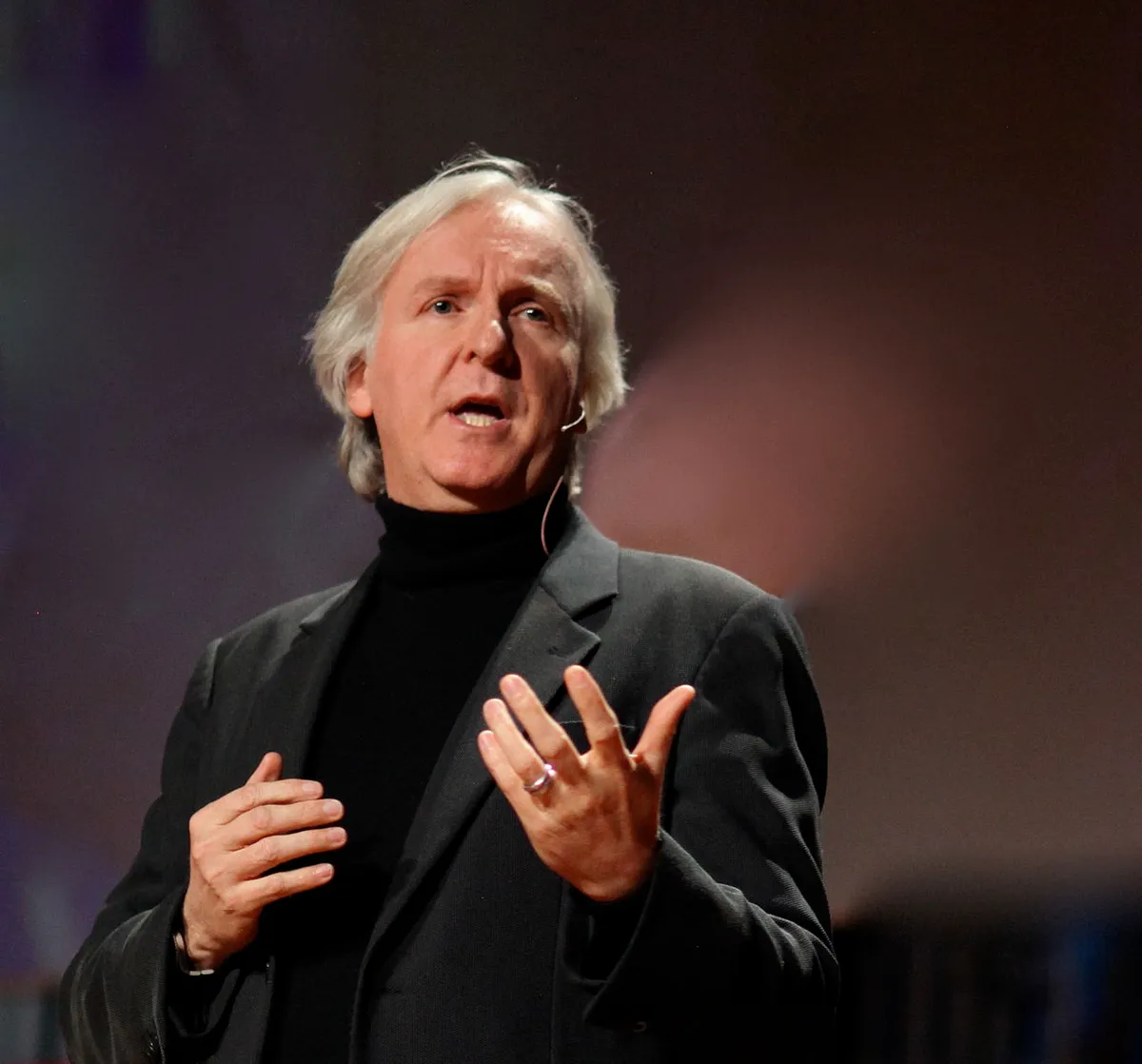
The numbers, confirmed by The Walt Disney Company in their official investor disclosure, tell the story of a business firing on every single cylinder with precision timing. Content sales and licensing saw an 8% increase, a feat largely credited to the massive, inescapable gravitational pull of James Cameron’s Avatar: Fire and Ash and the long-awaited return to the urban jungle in Zootopia 2. These aren't just movies; they are tectonic shifts in the cultural landscape. When the third Avatar installment hit theaters, it didn't just sell tickets—it recalibrated the entire concept of the theatrical experience, proving that audiences will still brave the crowds and the high-priced popcorn for the right kind of spectacle.
Pandora’s Fire and the Global Box Office Bounce
The box office narrative in early 2026 has been utterly dominated by the blue-hued residents of Pandora and the anthropomorphic citizens of Zootopia. According to reporting from TheWrap and Media Play News, that 8% jump in content sales is a direct reflection of Disney’s aggressive theatrical strategy. Avatar: Fire and Ash continued its reign as a global phenomenon, while Zootopia 2 tapped into a deep reservoir of family-friendly nostalgia and clever storytelling that resonated across generations. Fans on Reddit, dissecting the CNBC coverage of the earnings call, pointed out that Disney’s ability to leverage these massive IPs into long-tail revenue—through home media, licensing, and merchandising—is exactly what sets the company apart from its competitors. It’s a closed-loop system designed for maximum impact.
It’s not just about the opening weekend anymore. Disney has mastered the art of the "flywheel," where a hit movie feeds the parks, which feeds the merchandise, which eventually feeds Disney+. Hugh Johnston, Disney’s Chief Financial Officer, highlighted during the earnings call that the strength of the studio's slate has been instrumental in driving the overall top-line growth. The studio's success provides the oxygen for the rest of the company to breathe, and right now, that oxygen is pure gold. Industry analysts at Seeking Alpha noted that the performance of Fire and Ash in particular helped offset some of the traditional volatility seen in the linear television markets, providing a rock-solid foundation for the quarter’s growth. The ripple effect of these films extends far beyond the silver screen. In the world of Zootopia 2, the merchandising numbers have been described by retail analysts as "robust," with Judy Hopps and Nick Wilde once again becoming the faces of a new wave of toy sales. This synergy is exactly what Bob Iger promised when he returned to the helm: a focus on quality over quantity, ensuring that every project released has the potential to become a multi-billion dollar pillar for the brand.
The $9.5 Billion Theme Park Juggernaut
While the movies grab the headlines, the real muscle of the Disney empire is currently being flexed at the turnstiles. The Parks and Experiences division reported a 7% revenue jump, reaching a mind-boggling $9.5 billion for the quarter. As reported by the LA Times and tracked via TradingView, this growth wasn't just about more bodies in the parks; it was about the sheer volume of spending happening once guests get inside. From the gleaming spires of Walt Disney World to the high-tech expanses of Disneyland, guests are opening their wallets for everything from Genie+ upgrades to high-end dining experiences. The demand for the "magic" has never been more expensive—or more resilient.
A significant portion of this $9.5 billion windfall came from Disney’s aggressive expansion of its cruise line. The Disney Cruise Line has become the secret weapon of the Experiences portfolio, with new ships like the Disney Treasure and the Disney Destiny driving record bookings and creating a maritime money-printer. These floating theme parks offer a level of brand immersion that is impossible to replicate, and they have become a major driver of guest spending. Analysts have observed that the cruise line’s operating margins are particularly healthy, as the company has managed to capture a premium segment of the vacation market that remains resilient despite inflationary pressures. It turns out that when people want to escape reality, they want to do it on a Disney-branded ship.
The domestic parks also benefited from a flurry of new attractions and seasonal events that kept the momentum high. Whether it was the continued popularity of Tiana’s Bayou Adventure or the buzz surrounding the expansion of Avengers Campus, the demand for the Disney experience remains at an all-time high. Even with competition heating up in the Orlando market—notably with Universal’s Epic Universe on the horizon—Disney’s Q2 results show a company that is successfully defending its turf through sheer scale and brand loyalty. The guest spending metrics suggest that the Disney faithful are more than willing to pay a premium for the curated, high-touch experiences that only Iger's team can deliver. The moat around the Magic Kingdom looks wider than ever.
Cruising Toward a Record-Breaking Horizon
Looking at the broader financial picture, Disney’s $25.2 billion quarter is a testament to a company that has successfully navigated the post-streaming-wars landscape. While the shift from linear TV to digital remains a challenge for the entire industry, Disney’s diversified portfolio provides a safety net that few others possess. The TradingView data shows investor confidence reacting positively to the report, as the company’s ability to generate cash flow from its physical assets—parks and cruises—helps mitigate the risks associated with the high costs of content production. The integration of Hulu on Disney+ has also begun to show its teeth, with the streaming bundle becoming an increasingly attractive proposition for consumers looking to trim their subscription budgets. By offering a one-stop shop for everything from The Bear to The Mandalorian, Disney is securing its place as a necessary utility in the modern household.
This digital stability, combined with the explosive growth in the Parks division, paints a picture of a company that is no longer just surviving the transition to a new era of entertainment—it’s defining it. As the company looks toward the back half of 2026, the focus will undoubtedly remain on maintaining this momentum. With more Avatar content in the pipeline and the continued expansion of the Disney Cruise Line fleet, the roadmap is clear. The message from the Q2 earnings report is loud and clear: the mouse isn't just playing the game; he’s winning it. Between the box office dominance of James Cameron and the $9.5 billion spending spree at the parks, Disney has proven once again that in the world of entertainment, there is still only one true king of the mountain. Expect the summer months to only amplify this trend as the blockbuster season kicks into high gear and families flock to the parks for the next chapter of the Disney story.


