 THE MARQUEE
The Mississippi River doesn’t just flow past Tom Lee Park; it breathes with a heavy, rhythmic pulse that mirrors the city’s own grit. On Sunday night, May 3, 2026, that pulse collided head-on with the percussive scratches of Dave Matthews’ Rockbridge acoustic, turning the final hours of the RiverBeat Music Festival into an all-out spiritual exorcism. As the sun surrendered to a bruised purple horizon and the scent of hickory smoke drifted over from the nearby barbecue pits, Matthews stepped into the spotlight with that trademark, self-deprecating grin. He didn't need a greeting. The opening staccato of “So Much to Say” did the talking, instantly transforming the sprawling, newly renovated riverfront into a vibrating mass of humanity.
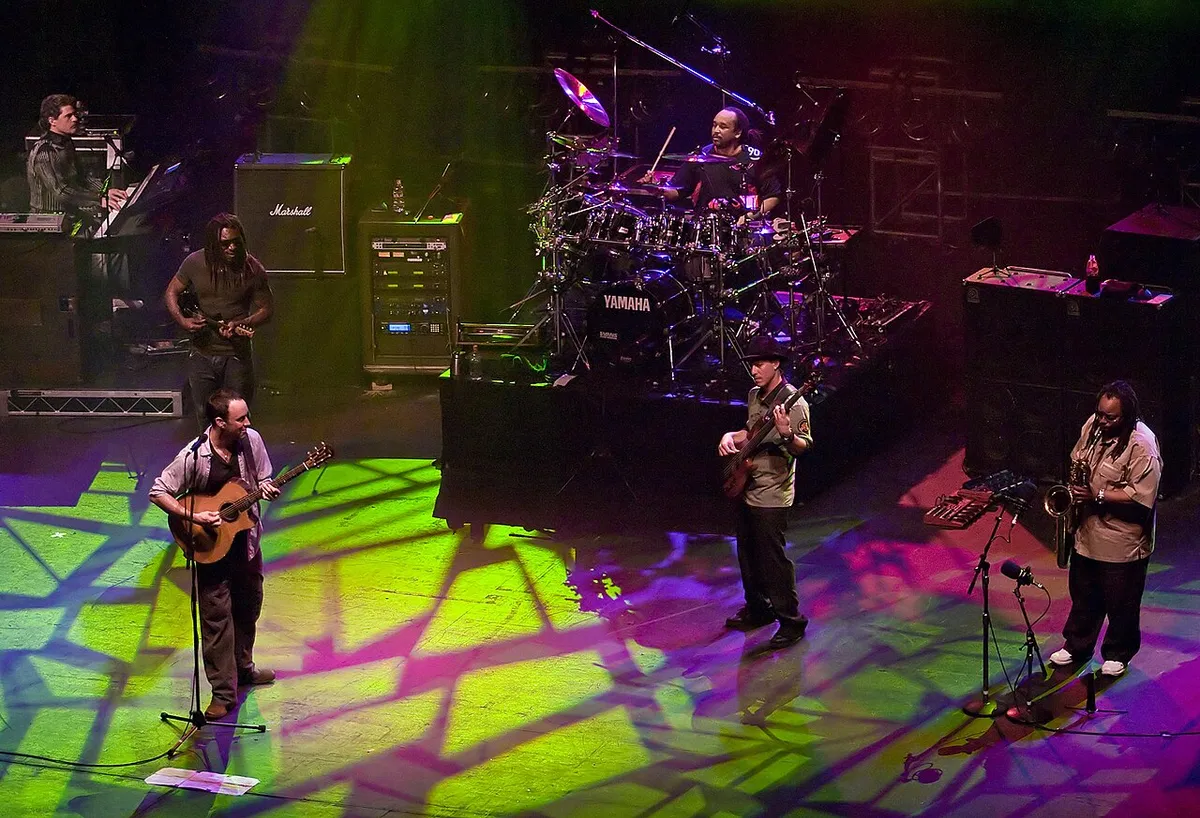
Memphis has always been a town that respects the hustle, and in 2026, Dave Matthews Band remains the hardest-working engine in the touring business. This wasn’t just another stop on a summer circuit; it was a clinic in improvisational telepathy. Now a lean, mean, hyper-focused unit, the band looked and sounded startlingly vital. At the center of the storm sat Carter Beauford, still arguably the most fluid and ferocious drummer to ever pick up a pair of sticks. Driving the group from behind a kit that looks like a small city, Beauford anchored a setlist that Setlist.fm data confirms was a high-wire act between the platinum anthems of the ’90s and the deep-cut, jazz-flecked explorations that keep the die-hard “Warehouse” faithful traveling across state lines.
The Alchemy of the Mud and the Muse
Early in the evening, the band leaned into the classics, but they stripped away the polish to reveal something rawer. When the haunting, familiar chords of “Crash Into Me” drifted across the park, the collective exhale from the thousands in attendance was enough to stir the river water. It’s a song that has been soundtracking awkward slow dances for decades, yet here—bolstered by Tim Reynolds’ searing, ethereal electric lines and the gospel-inflected textures of keyboardist Buddy Strong—it felt brand new. The crowd didn’t just sing; they roared every lyric back at the stage, a constellation of glowing phone screens mirroring the stars above the bluff. The digital world noticed, too. “Dave in Memphis just hits different,” one fan posted on X. “The river breeze, the band in top form, and ‘Crash’ under the stars. My soul is full.”
The musicianship was, quite frankly, staggering. The horn section of Rashawn Ross and Jeff Coffin acted as the band’s brass-bound heartbeat, punctuating jams with sharp, aggressive exclamation points. During one mid-set improvisational spiral, Coffin and Ross traded frantic, call-and-response solos that left Matthews leaning back in genuine awe, laughing as he watched his collaborators push the sonic envelope into the red. Meanwhile, bassist Stefan Lessard remained the coolest man on the Mississippi, locking in with Beauford to create a pocket so deep and resonant you could practically feel it in your marrow. It is this specific, unteachable synergy that keeps DMB a top-tier stadium draw while their contemporaries have long since retreated to the nostalgia circuit.
From the 36 Chambers to Charlottesville
The weekend’s true magic lay in the beautiful, chaotic collision of genres. Only twenty-four hours before Matthews took the stage, the very same grass was vibrating to the rugged, unfiltered boom-bap of the Wu-Tang Clan. This transition from the gritty “36 Chambers” to the sophisticated Charlottesville grooves of DMB was a masterstroke of festival programming. Seeing the same fans who were throwing up “W” hand signs on Saturday night dancing to violin-infused melodies on Sunday proved that RiverBeat has cracked the code of the modern festival experience. Relix reported that the event successfully bridged the gap between old-school hip-hop heads, indie explorers, and the legendary DMB “nancies” who follow the band with religious fervor.
Earlier in the day, The Red Clay Strays provided the perfect Southern gothic appetizer, their swampy country-rock setting a mood that DMB expertly capitalized on. There is something fundamentally Southern about the way Dave Matthews Band interacts with a crowd in a place like Memphis. It’s less of a stiff performance and more of a communal, sweat-soaked celebration. The band seemed to tap into the city’s bluesy DNA, injecting their transitions with a bit more dirt and distortion than you’d typically hear at a suburban amphitheater in the Northeast.
The Unstoppable Momentum of 2026
As the night reached its crescendo, the band went for the jugular. The signature snare-drum snap of “Ants Marching”—the ultimate DMB calling card—sent the park into a literal frenzy. It’s a song ostensibly about the mundanity of the daily grind, yet live, it becomes a chaotic explosion of joy. Watching Carter Beauford navigate those intricate, polyrhythmic fills while maintaining his iconic gum-chewing grin remains one of the greatest sights in rock and roll. They stretched the outro into a sprawling epic, with Tim Reynolds unleashing a flurry of notes that felt like they were bouncing off the Harahan Bridge behind them.
According to the official Dave Matthews Band website, this Memphis stop is just a high-octane waypoint in a massive 2026 tour hitting every major North American market. But there was something singular about this specific RiverBeat set. Perhaps it was the $61 million glow-up of Tom Lee Park providing a world-class stage, or maybe it was the band’s realization that they were the architects of a new Memphis tradition. As the final notes of the encore echoed off the water and the house lights flickered on, the crowd stayed put, unwilling to let the magic of the riverside dissipate. The 2026 summer tour is just getting started, and if this Memphis performance is the benchmark, Dave and the boys aren’t just marching toward the future—they’re sprinting.


