 THE MARQUEE
The internet has always had a voyeuristic obsession with Kelly Osbourne’s physical evolution, but this week, the digital discourse hit a fever pitch that felt less like gossip and more like a fever dream. It began with a single, jarring image flickering across X and Instagram: Osbourne, appearing impossibly slender and draped in high-fashion couture, allegedly captured at a Louis Vuitton Resort 2027 show that is still three years away from existing.
Within hours, the photo had racked up millions of views, sparking a frantic debate that touched on everything from the ethics of weight-loss drugs to the terrifying efficiency of generative AI. There was just one major problem: the Louis Vuitton Resort 2027 show hasn't happened yet. The image, which depicted Osbourne with a bone structure that defied the laws of human anatomy and a waistline that seemed to vanish into the fabric of her gown, was a total fabrication. While Kelly did actually attend the Louis Vuitton Cruise 2025 show in Barcelona this past May, someone—or something—took her likeness and pushed it through a digital meat grinder to create a version of the star that was as uncanny as it was alarming.
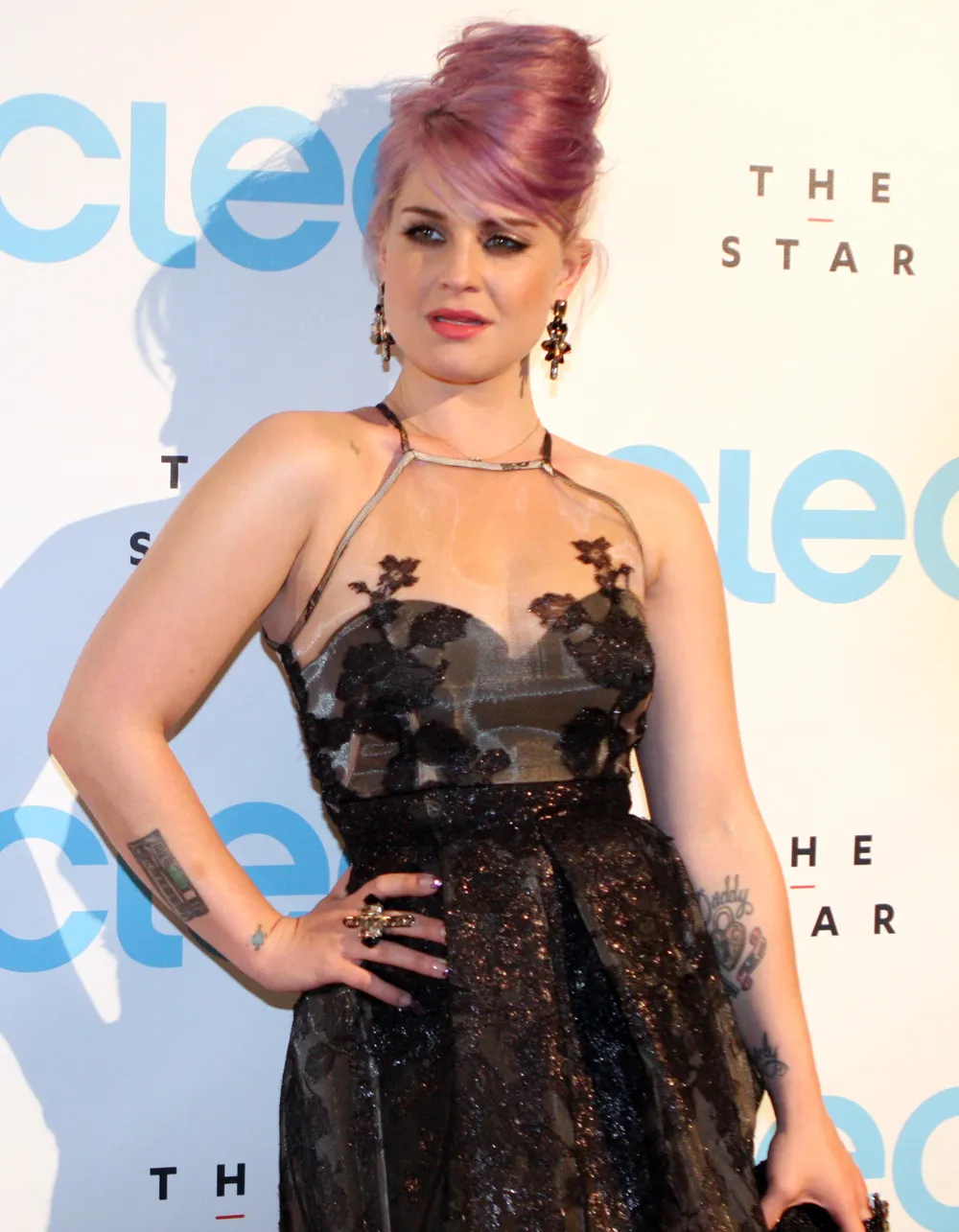
The Barcelona Reality and the Uncanny Valley
To understand why this fake photo gained so much traction, you have to look at the real-world context of Osbourne’s recent public appearances. When she arrived at the Park Güell in Barcelona for Nicolas Ghesquière’s latest Louis Vuitton showcase, she looked undeniably sleek. Sporting her signature lavender-tinted hair and a structured, avant-garde ensemble, the 39-year-old mother of one was a highlight of the front row. She sat alongside stars like Ana de Armas and Jurnee Smollett, radiating a confidence that fans have noted since her dramatic 85-pound weight loss following a gastric sleeve procedure in 2018.
But the viral "2027" image took that reality and distorted it into a hauntological nightmare. Digital forensic experts and eagle-eyed fans quickly pointed out the tell-tale signs of AI manipulation. The proportions of her limbs were elongated to a point of physical impossibility, and the background textures had that signature AI "melt" where the architecture of the venue blurred into the skin. Social media users on platforms like Reddit’s r/popculturechat were quick to call out the hoax. "This is getting scary," one user wrote. "We’re reaching a point where we can’t even trust a red carpet photo anymore. She looks like a Tim Burton character, and not in the cool way."
The danger of the image wasn't just in its falsity, but in how it weaponized Osbourne’s well-documented history with body image. Because Kelly has been so open about her transformation—and more recently, her controversial defense of the weight-loss drug Ozempic—the public was primed to believe even the most extreme visual evidence. The AI didn't just create a fake photo; it created a fake narrative that fed directly into the internet's obsession with her physical form.
The Ozempic Defense and the Weight Loss War
If the AI photo felt like a lightning rod, it’s because Kelly Osbourne has spent the last year standing in the center of a cultural storm. While many celebrities have played coy about their use of GLP-1 agonists like Ozempic and Wegovy, Osbourne has been refreshingly, if divisively, blunt. Speaking to E! News at the 2024 People’s Choice Awards, she didn't mince words. "I think it’s amazing," she told the outlet. "There are a million ways to lose weight, why not do it through something that’s isn’t as boring as working out?"
That kind of candor is vintage Kelly—unfiltered and unapologetic—but it also invited a level of scrutiny that few stars could withstand. She went on to suggest that people who criticize the drug are "secretly doing it or pissed off that they can’t afford it." It was a statement that set the internet ablaze, drawing fire from body-positivity advocates and medical professionals alike. Even her mother, Sharon Osbourne, has joined the conversation, admitting to her own dramatic weight loss via the drug while simultaneously warning that she became "too thin" and couldn't stop losing weight.
This history is exactly what made the fake Louis Vuitton 2027 photo so effective as a piece of misinformation. When fans saw the distorted image, they didn't immediately think "AI hoax"; they thought "she went too far." The image capitalized on the public's existing anxiety about celebrity weight loss trends, using Osbourne as a canvas for a digital cautionary tale that wasn't actually hers to tell. It’s a move that MEAWW News and other outlets have highlighted as part of a growing trend of "body-shaming by algorithm," where AI is used to exaggerate a celebrity’s features to provoke an emotional, often negative, reaction from the public.
Digital Dysmorphia in the Age of Generative Art
This isn't the first time Kelly has been the target of high-tech manipulation. Over the last few months, various "weight loss" apps and predatory diet pill brands have used deepfake technology and AI-edited photos of her to sell products she has never endorsed. The Louis Vuitton incident is simply the most high-profile example of how AI can be used to hijack a celebrity’s brand and physical identity. By labeling the photo as being from 2027, the creator of the hoax was essentially projecting a future for Osbourne that looked increasingly frail, a move that many fans found cruel and unnecessary.
The reaction from the Osbourne camp has been a mix of exhaustion and silence, but the fan base is doing the heavy lifting in terms of debunking. On TikTok, creators have posted side-by-side comparisons of the real 2024 Barcelona footage versus the 2027 AI render. The difference is night and day. In the real footage, Osbourne is healthy, vibrant, and moving naturally. In the AI photo, she is a static, haunting statue. "We have to stop doing this to her," one fan commented on a viral debunking video. "She’s spent her whole life being picked apart by the media. Now we’re literally inventing reasons to be mad at her body?"
The incident also sheds light on a broader issue within the fashion industry. As brands like Louis Vuitton and Balenciaga experiment with digital models and AI-integrated campaigns, the line between what is a creative choice and what is harmful manipulation is becoming dangerously thin. When an AI image of a real person at a real (or future) brand event goes viral, it carries the weight of the brand’s authority, making the deception even harder to spot for the average scroller.
As we move deeper into this era of digital dysmorphia, the Kelly Osbourne saga serves as a massive red flag. It’s a reminder that in the world of 2024, seeing isn't just believing—it's an invitation to investigate. While Kelly continues to navigate her life in the spotlight, raising her son Sidney and continuing the family legacy on The Osbournes Podcast, she remains a fascinating, if unwilling, pioneer at the intersection of celebrity culture and the wild west of artificial intelligence. If the fake "2027" photo proved anything, it’s that the internet is more than ready to believe the worst, even when the truth is standing right in front of them in a lavender wig and a perfectly tailored jacket. As the real fashion world currently gears up for the next cycle of global shows, all eyes will be on the front row, looking for the real Kelly, far away from the distorted pixels of the uncanny valley.


